The History of Worship Spaces
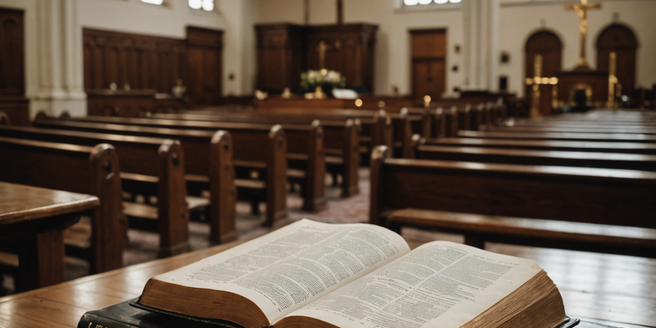
Throughout history, worship spaces have evolved significantly. Early humans used natural settings like caves and groves for spiritual gatherings. As civilizations developed, so did their spaces for worship. Ancient Egypt’s temples, Greek and Roman structures, and early Christian basilicas each reflected their own cultural values and practices. Medieval times saw the rise of cathedrals with Gothic architecture featuring grand spires and stained glass. Meanwhile, Islamic architecture introduced mosques with intricate geometric designs and minarets. In Asia, pagodas and temples also developed unique styles. Each space was designed to enhance spiritual experiences and community gatherings. The function and style of worship spaces evolved over centuries, mirroring societal and technological changes. Understanding this history helps one appreciate the diversity and purpose of modern religious architecture.
Architectural Styles in Religious Buildings
Religious buildings are remarkable for their diverse architectural styles, reflecting cultural, historical, and religious influences. Gothic cathedrals with pointed arches and flying buttresses create a sense of awe and transcendence. Byzantine architecture, with its iconic domes and mosaics, emphasizes harmony and divine beauty. In contrast, Eastern Orthodox churches are distinct with their use of gold and iconography. Islamic mosques feature domes, minarets, and intricate geometric patterns, symbolizing unity and infinity. Hindu temples, adorned with elaborate carvings and statues, depict gods and goddesses. Japanese Shinto shrines and Buddhist temples use natural materials, blending harmoniously with their surroundings. These various styles not only serve aesthetic purposes but also convey specific spiritual and philosophical ideas, creating sacred spaces that enhance the worship experience and reflect the faith’s identity.
Symbols and Elements in Worship Spaces
Symbols and elements in worship spaces hold significant meaning, serving both functional and spiritual purposes. Common symbols include the cross in Christian churches, representing sacrifice and salvation, and the Star of David in synagogues, symbolizing Jewish identity. Islamic mosques often feature calligraphy and geometric designs that convey divine messages and the complexity of creation. Buddhist temples contain statues of the Buddha to inspire meditation and enlightenment. Additionally, architectural elements like altars, pulpits, and stained glass are designed to enhance religious rituals and experiences. Water features, such as baptismal fonts in churches or ablution fountains in mosques, represent purification. Lighting, whether natural or artificial, symbolizes the divine presence. The use of these symbols and elements helps adherents connect to their faith, facilitating reflection, worship, and community fellowship within these sacred spaces.
Modern Innovations in Church Design
Modern Church design has embraced innovation to meet contemporary needs while retaining spiritual significance. Architects now incorporate sustainable technologies and materials, creating eco-friendly spaces that reduce environmental impact. Flexible layouts allow for multipurpose uses, reflecting the community’s diverse functions. Glass walls and skylights introduce natural light, creating a serene and open atmosphere for reflection. Acoustics are fine-tuned to enhance musical performances, which are integral in many worship services. Moreover, integration of technology, such as audio-visual systems, allows for live streaming, expanding the church’s reach beyond its physical walls. Designers also emphasize accessibility, ensuring inclusivity for individuals with disabilities. In response to globalization, modern churches often blend traditional elements with contemporary forms, creating spaces that honor tradition while embracing the present. These innovations result in dynamic and functional environments that support spiritual growth and community engagement.
Sacred Spaces Across Different Cultures
Sacred spaces hold varied significance across different cultures, reflecting their unique religious beliefs and practices. In Christianity, churches and cathedrals often serve as centers for communal worship and spiritual reflection. In Islam, mosques are vital spaces for prayer and community gatherings, typically featuring a minaret and a niche indicating the direction of Mecca. Hinduism’s sacred spaces range from grand temples to small home shrines, each serving as a focal point for rituals honoring deities. Buddhist temples and meditation rooms provide environments for mindfulness and contemplation. Indigenous cultures often consider natural landscapes like mountains, rivers, and forests as sacred, engaging in rituals that honor their spiritual connections to the earth. These diverse sacred spaces not only fulfill spiritual needs but also foster cultural identities, offering believers a tangible connection to their faith and community.
The Role of Light in Worship Architecture
Light plays a crucial role in worship architecture, shaping both the physical and spiritual environment of sacred spaces. Natural light, through strategically placed windows and skylights, creates a dynamic atmosphere that changes throughout the day, enhancing the spiritual ambiance. Stained glass windows, prominent in many churches, not only depict religious narratives and saints but also transform interior spaces with vibrant colors and patterns. This interplay of light and color symbolizes divine presence and the journey towards enlightenment. In mosques, intricate latticework filters sunlight, creating patterns that evoke the intricacy and unity of creation. Artificial lighting is also carefully designed to highlight architectural features, altars, and sacred artifacts, enhancing the worship experience. Overall, the thoughtful integration of light in religious buildings encourages reflection, inspiration, and a deeper connection to the divine, embodying the sacred nature of these spaces.
Acoustics and Music in Religious Settings
Acoustics and music are integral to the atmosphere of religious settings, enhancing the auditory experience of worship. Architectural design carefully considers sound dynamics, ensuring that spoken words, chants, and hymns reach the congregation clearly and harmoniously. In cathedrals, vaulted ceilings and stone surfaces amplify the resonance of organ music and choral singing, creating a profound sense of awe. Mosques are designed to project the imam’s voice during prayers without amplification. Synagogues incorporate acoustics suited to communal singing and Torah chanting. Music, ranging from Gregorian chants in Christian services to traditional drumming in indigenous rituals, plays a vital role in spiritual expression and community bonding. The selection and performance of music reflect theological themes and cultural traditions, inviting participants to engage more deeply with their faith. Overall, acoustics and music together elevate the worship experience, enriching the spiritual journey.
Eco-Friendly Worship Space Designs
Eco-friendly worship space designs are increasingly embraced to align with environmental stewardship principles. Architects and religious communities are utilizing sustainable materials like bamboo, reclaimed wood, and non-toxic paints, ensuring that these buildings have a minimal ecological footprint. The incorporation of energy-efficient systems, such as solar panels and geothermal heating, reduces reliance on non-renewable resources while lowering operational costs. Water conservation is achieved through rainwater harvesting and greywater recycling, particularly in regions prone to drought. Green roofs and gardens not only provide insulation but also create tranquil meditative spaces for spiritual reflection. The use of natural lighting and ventilation minimizes the need for artificial systems, fostering a healthier environment for worshippers. These eco-friendly designs reflect a commitment to caring for creation, encouraging congregations to practice environmental responsibility as an extension of their faith.
Incorporating Technology in Worship Spaces
Incorporating technology in worship spaces enhances religious experiences and connectivity in the modern age. Churches and temples now integrate audiovisual systems for projecting sermons, and hymns, and broadcasting services online, expanding their reach beyond local communities. Interactive screens and digital signage provide dynamic ways to engage congregants during services, displaying scriptures and prayers in multiple languages. Virtual reality is being explored to offer immersive religious experiences, such as digital pilgrimages or 3D tours of sacred sites. Sound systems enhance acoustics for live music performances, making them accessible to larger audiences. Additionally, mobile apps and social media platforms offer new avenues for faith-based education, community events, and prayer chains. By thoughtfully integrating technology, religious spaces adapt to contemporary needs, fostering inclusivity and engagement while maintaining spiritual focus and traditional practices.
Future Trends in Religious Architecture
Future trends in religious architecture suggest a shift towards more adaptive and inclusive designs that mirror societal changes. Architects are moving towards flexible worship spaces that can be reconfigured for different functions, catering to diverse community activities beyond traditional services. Minimalist designs focusing on simplicity and spirituality are gaining popularity, promoting calmness and reflection. Sustainability will remain a key trend, with an emphasis on using renewable resources and green technologies. As religious communities become more globalized, hybrid designs that blend cultural elements from various traditions may emerge, fostering unity and understanding. Technological advancements will continue to play a significant role, with smart buildings enhancing security and energy efficiency. These evolving trends will create sacred spaces that resonate with contemporary worshippers’ values and lifestyles, supporting spiritual growth while preserving essential traditions.