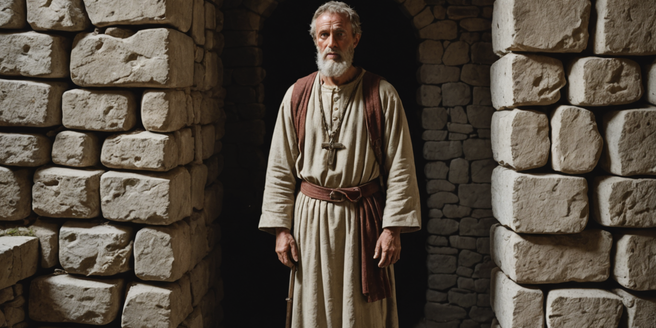
The Great Commission: Jesus’ Final Command to His Disciples
Before His ascension, Jesus delivered the Great Commission to His disciples, commanding them to go into all the world and preach the gospel to every creature. This directive fundamentally shaped Christian mission for centuries. Jesus emphasized that all authority in heaven and on earth had been given to Him, empowering believers to accomplish this monumental task. The command transcended geographical boundaries and cultural limitations, establishing a universal mandate for spreading God’s message. Disciples were instructed to make disciples of all nations, baptizing them and teaching them to observe everything Jesus had commanded. This wasn’t merely a suggestion but a sacred obligation that would define Christian purpose. The Great Commission remains the foundation of missionary work today, inspiring believers to share their faith across all boundaries and reach unreached populations worldwide.
How the Early Church Spread the Gospel Across Continents
The early Church demonstrated remarkable courage and determination in spreading Christianity across continents. Apostles like Paul undertook extensive missionary journeys, establishing churches throughout Asia Minor, Greece, and Rome. Strategic locations became centers for Gospel distribution, with believers sharing their faith in marketplaces, synagogues, and homes. The Church grew exponentially despite facing severe persecution and limited resources. Communication networks and trade routes facilitated spiritual expansion, allowing the message to penetrate diverse populations. Believers demonstrated radical commitment, often sacrificing comfort and security for their mission. Persecution actually accelerated Gospel spread, as displaced Christians brought their faith to new regions. The early Church’s organic growth model emphasized indigenous leadership and community engagement. Within three centuries, Christianity transformed from a persecuted minority into the empire’s dominant religion, demonstrating the Gospel’s transformative power across cultural and geographical boundaries.
Overcoming Barriers: Language, Culture, and Persecution
Missionaries faced formidable obstacles including language barriers, cultural resistance, and violent persecution. Early evangelists learned local languages to communicate effectively, recognizing that faith transcends linguistic boundaries. Cultural sensitivity became essential as the Gospel encountered diverse worldviews and traditions. Missionaries adapted presentation methods while maintaining theological integrity, respecting local customs while challenging incompatible practices. Persecution strengthened rather than weakened the movement, as martyrs’ testimony inspired deeper conviction. Underground churches developed sophisticated networks for survival and growth. Believers experienced torture, imprisonment, and death yet continued proclaiming their faith. These barriers ultimately strengthened the Gospel’s credibility, demonstrating believers’ genuine commitment. Modern missionaries continue facing similar challenges in restrictive regions, employing creative approaches including digital platforms and community service. Despite obstacles, the Gospel’s universal appeal transcends every human limitation, proving that no barrier can permanently impede God’s message when believers remain faithful and persistent.
Modern Missionaries and the Global Reach of the Gospel Today
Contemporary missionaries leverage technology and strategic partnerships to extend Gospel reach globally. Digital platforms enable remote discipleship, Bible studies, and community building across geographical distances. Mobile applications translate Scripture into hundreds of languages, making God’s Word accessible to previously unreached populations. Modern missionaries combine traditional methods with innovative approaches, addressing both spiritual and physical needs through medical missions and educational initiatives. Mission organizations coordinate efforts across continents, maximizing resource efficiency and impact. Social media facilitates authentic testimonies and cultural exchange between believers worldwide. Despite challenges like visa restrictions and security concerns, missionaries demonstrate remarkable dedication. Short-term mission trips mobilize thousands annually, strengthening global Christian networks. The Gospel spreads through indigenous leaders and local believers, reducing dependence on Western missionaries. Modern evangelism embraces contextualization, presenting timeless truth through culturally relevant expressions. Today’s missionary movement represents unprecedented global coordination, ensuring the Gospel reaches every nation.
Fulfilling the Prophecy: Signs of Gospel Expansion in Every Nation
Scripture prophesies that the Gospel will be preached to all nations before the end times arrives. Contemporary evidence suggests this prophecy approaches fulfillment. Christianity now exists in virtually every country, with believers from every ethnicity and culture. Bible translation projects have rendered Scripture accessible in over one thousand languages, with efforts continuing. Statistics show Christianity’s growth in Africa, Asia, and Latin America, offsetting Western decline. Underground churches flourish in restrictive nations, demonstrating faith’s resilience. Digital technology enables simultaneous Gospel proclamation across borders instantaneously. Satellite television and radio broadcast Christian content to remote regions daily. Persecution in certain areas paradoxically accelerates Gospel spread through diaspora communities. International Christian networks coordinate efforts achieving unprecedented coverage. Youth movements embrace global faith perspectives, transcending traditional denominational boundaries. Fulfillment signs accumulate as believers witness God’s promise materializing before their eyes, confirming biblical prophecy’s accuracy and encouraging continued missionary commitment.