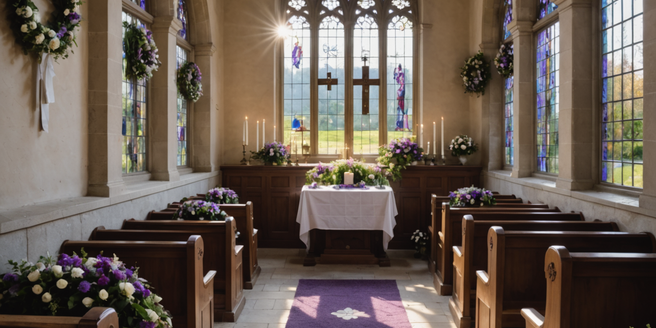
Historical Origins and Early Christian Traditions
All Saints Day traces its roots to early Christian communities who honored martyrs and saints. The observance emerged from ancient pagan festivals dedicated to honoring the dead, which the Church incorporated into Christian practice. By the fourth century, Christians began commemorating saints on specific dates, gradually evolving into a unified celebration. The holiday’s establishment reflected the Church’s desire to recognize the spiritual achievements of faithful believers who preceded current generations. Initially celebrated on various dates across different regions, the Church eventually standardized November 1st as the official date. This timing coincided with the Celtic festival of Samhain, allowing for cultural integration. Early traditions included vigils, processions, and special prayers honoring those who died for their faith. These practices strengthened community bonds and reinforced Christian values through collective remembrance.
The Evolution of All Saints Day Through the Centuries
Throughout medieval times, All Saints Day gained prominence as the Church canonized increasing numbers of saints. The holiday became deeply embedded in European Christian culture, with elaborate ceremonies and public celebrations. Renaissance and Reformation periods brought theological debates about saint veneration and proper observance methods. Catholic and Orthodox traditions maintained elaborate commemorations, while Protestant churches modified practices to align with reformed theology. The Victorian era saw renewed interest in historical saints and their biographical details. Modern interpretations continue evolving, balancing traditional elements with contemporary spirituality. Some communities now emphasize personal reflection over institutional celebration. The rise of ecumenical dialogue has encouraged interfaith recognition of the day’s significance. Digital age communication has expanded how believers share saint stories globally. Today’s observance reflects centuries of theological development while maintaining core spiritual principles honoring Christian exemplars.
Understanding the Theological Significance of Sainthood
Sainthood represents the ultimate achievement in Christian spiritual development, demonstrating extraordinary faith and devotion. Theologians define saints as individuals whose lives exemplified Christian virtues exceptionally well, inspiring others toward spiritual growth. The concept emphasizes that holiness is attainable through dedicated faith practice and moral commitment. Different Christian traditions approach canonization differently; Catholic and Orthodox churches maintain formal processes, while Protestant traditions honor faithful believers informally. Saints serve as spiritual mentors and intercessors, bridging earthly and divine realms according to traditional beliefs. Their stories illustrate how ordinary people achieve extraordinary spiritual heights through perseverance and grace. All Saints Day celebrates this theological reality, reminding believers that spiritual perfection remains a worthy life goal. The day reinforces church teaching about the communion of saints, affirming connections between living and deceased believers. Understanding sainthood deepens appreciation for Christian heritage and personal faith possibilities.
How Different Christian Denominations Observe the Day
Catholic tradition maintains elaborate All Saints Day observances, including mandatory holy days of obligation in many regions, special masses, and visits to cemeteries. Orthodox Christianity celebrates similar practices with distinctive liturgical elements and iconography. Anglican churches recognize the day with thanksgiving services honoring saints from various traditions. Methodist and other Protestant denominations observe it through reflective services emphasizing spiritual legacy and Christian witness. Some evangelical churches prefer alternative observances, focusing on personal faith testimonies rather than historical saint commemoration. Lutheran traditions blend Catholic and Protestant approaches, maintaining historical recognition while emphasizing individual spiritual responsibility. Independent and non-denominational churches often create customized observances reflecting their specific theological perspectives. Many Christian communities now participate in ecumenical celebrations, uniting across denominational lines to recognize shared heritage. Despite theological differences, most traditions acknowledge the importance of remembering faithful Christians who shaped church history and demonstrated exemplary spiritual commitment.
All Saints Day vs. All Souls Day: Key Differences Explained
All Saints Day, celebrated November 1st, honors those recognized for extraordinary holiness and spiritual achievement. All Souls Day, observed November 2nd, focuses on commemorating all deceased believers, not just officially canonized saints. The distinction reflects different theological emphases within Christian tradition. All Saints Day celebrates completed spiritual achievement and heavenly glory, emphasizing triumph and inspiration. All Souls Day emphasizes prayer for deceased souls, requesting divine mercy and spiritual assistance. Catholic tradition strongly distinguishes these observances with separate liturgical practices and spiritual intentions. All Saints Day highlights exemplary lives worthy of emulation and heavenly intercession. All Souls Day expresses communal prayer responsibility for all departed believers. Protestant churches typically emphasize All Saints Day while downplaying All Souls Day concepts. Both observances share November placement, creating extended remembrance periods. Understanding these differences helps believers appreciate each day’s unique spiritual significance and purpose.
Traditional Customs and Practices Around the World
Global All Saints Day observances reveal diverse cultural expressions of Christian faith. In Mexico and Latin America, Día de Muertos combines indigenous traditions with Catholic celebration, featuring marigolds, sugar skulls, and family gatherings. European communities visit cemeteries, placing flowers and candles on graves while offering prayers. Spain and Portugal maintain processional traditions with church services and community gatherings. Philippines celebrate with family cemetery visits and festive meals honoring deceased loved ones. France and Belgium observe similar cemetery traditions with candlelit vigils extending evening hours. Italy maintains special food traditions with specific regional dishes prepared during the season. Ireland preserves ancient customs blending Celtic and Christian elements through bonfires and traditional gatherings. Austria and Germany continue cemetery decoration practices emphasizing remembrance and respect. Many communities now incorporate modern elements alongside traditional customs, adapting practices for contemporary lifestyles. These diverse traditions demonstrate Christianity’s remarkable ability to integrate with local cultures while maintaining core spiritual significance.
The Role of Prayer and Remembrance in Modern Observance
Contemporary All Saints Day practice emphasizes prayer as central spiritual activity, connecting believers across time and spiritual realms. Modern churches encourage personal prayer time reflecting on saint examples and spiritual values they embodied. Remembrance has evolved beyond traditional cemetery visits to include digital memorials and social media sharing of saint stories. Prayer intentions now address contemporary concerns while honoring historical figures who faced different challenges. Ecumenical prayer services unite believers across denominational boundaries, recognizing shared spiritual heritage. Contemplative prayer practices gain popularity as believers seek deeper personal connection with saint examples. Modern remembrance includes charitable work reflecting saints’ service commitments and social justice concerns. Prayer circles and small group discussions facilitate meaningful remembrance conversations. Many churches livestream services, enabling geographically dispersed communities to participate together. Contemporary observance balances respectful tradition with modern accessibility, ensuring All Saints Day remains spiritually relevant for current generations seeking connection with faith heritage.
Teaching Children About Saints and Their Spiritual Legacy
Educating children about saints requires presenting complex spiritual concepts through engaging, age-appropriate narratives highlighting personal stories and heroic achievements. Effective teaching emphasizes how ordinary people developed extraordinary faith through dedication and perseverance. Stories of young saints like Cecilia or Thaddeus particularly resonate with children, demonstrating that spiritual achievement isn’t limited by age. Interactive activities including saint crafts, role-playing, and storytelling sessions maintain children’s engagement and comprehension. Connecting saint examples to contemporary situations helps children understand spiritual principles’ modern application. Children benefit from learning how different saints addressed specific challenges, providing practical moral guidance. Celebrating individual saint feast days throughout the year extends learning beyond All Saints Day observance. Visual resources including icons, artwork, and multimedia presentations enhance children’s understanding of saint traditions. Encouraging children to identify personal spiritual heroes within their families strengthens connection to faith heritage. Well-designed religious education helps children develop spiritual identity and aspire toward meaningful faith practices.
Incorporating All Saints Day Into Your Personal Faith Practice
Integrating All Saints Day into personal spirituality requires intentional reflection and deliberate practice adjustments. Begin by selecting saints whose virtues particularly inspire your spiritual development, creating personal models for faith practice. Dedicate time to reading biographical materials about chosen saints, understanding their challenges and spiritual achievements. Establish personal prayer practices invoking saint intercession for specific life challenges or spiritual growth areas. Consider how particular saints’ examples address your individual struggles, extracting applicable wisdom and guidance. Create personal spiritual practices reflecting saints’ commitments, whether through increased charitable work, prayer discipline, or moral commitment. Journal reflections on saintly virtues and personal growth possibilities can deepen spiritual understanding. Participate in community observances while maintaining personal spiritual intentions. Consider designating All Saints Day as annual spiritual assessment day, evaluating progress toward personal faith goals. Share saint stories with family members, extending the spiritual significance beyond personal practice. Consistent, thoughtful integration transforms All Saints Day from calendar notation to meaningful spiritual practice supporting sustained faith development.