The Historical Context of the Jerusalem Council
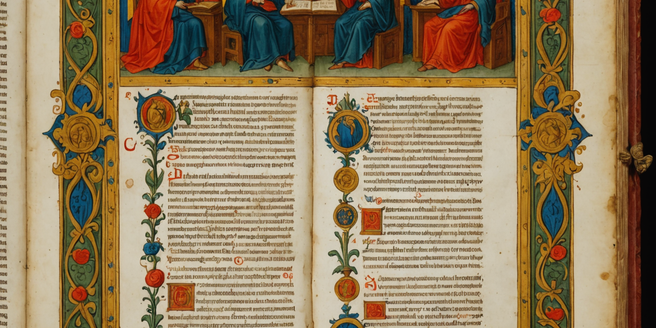
The Jerusalem Council, convened around 49-50 CE, emerged from escalating tensions within the early church. As Christianity spread beyond Jewish communities into Gentile territories, fundamental questions arose about observance of Jewish law. The church in Jerusalem, led by James and the apostles, maintained strong ties to Jewish practices and temple worship. Meanwhile, Paul and Barnabas conducted missionary work among Gentiles in Antioch and beyond, establishing churches without requiring conversion to Judaism. This geographical and theological divide created urgency for resolution. The council represented a critical moment when the fledgling church risked division over whether non-Jewish converts must adopt Jewish customs, particularly circumcision. Understanding this context reveals the council’s significance as a watershed event determining Christianity’s universal inclusivity rather than remaining a Jewish sect.
The Circumcision Controversy and Its Stakes
The circumcision controversy centered on a fundamental question: must Gentile believers undergo circumcision and follow Mosaic law to achieve salvation? Some Jerusalem believers, called Judaizers, insisted on this requirement, viewing it as non-negotiable. The stakes transcended mere ritual practice. Accepting this position would limit Christianity’s appeal, potentially excluding vast populations and establishing a restrictive entry barrier. For Paul, this represented a theological battleground about grace versus works, faith versus law. He viewed mandatory circumcision as contradicting the gospel’s liberating message. The controversy threatened church unity and missionary expansion. Jerusalem authorities needed to determine whether Christianity would remain ethnically and legally bounded or embrace Gentiles fully. This debate shaped Christianity’s future trajectory, determining whether it would become a universal faith or remain sectarian, making the council’s decision historically transformative.
Peter’s Vision and the Gentile Question
Peter’s vision, recorded in Acts 10, profoundly influenced Jerusalem Council discussions. The vision presented Peter with a sheet containing ritually unclean animals, with divine instruction to eat them, challenging Jewish dietary laws. This mystical experience convinced Peter that God had fundamentally altered traditional distinctions between clean and unclean, Jew and Gentile. When subsequently ministering to Cornelius, a Roman centurion, Peter witnessed Spirit-filled Gentiles without circumcision or law observance, dramatically validating his vision’s meaning. His personal testimony carried enormous weight among Jerusalem leadership. Peter’s evolving understanding bridged the gap between conservative Jewish believers and Paul’s Gentile mission. His willingness to reconsider deeply ingrained traditions modeled theological flexibility. By endorsing Paul’s gospel approach, Peter essentially affirmed that God’s Spirit operated independently of Jewish legal requirements, providing crucial apostolic validation for Gentile inclusion.
Paul’s Defense of His Gospel to the Gentiles
Paul presented a comprehensive defense of his apostolic mission and gospel message to the Jerusalem Council. He recounted his miraculous conversion, divine calling to Gentiles, and remarkable missionary successes without imposing circumcision requirements. Paul emphasized that adding legal demands would contradict the gospel’s fundamental nature, perverting grace into works-righteousness. His rhetorical strategy highlighted the consistency between his teachings and God’s evident work among Gentile believers. Paul appealed to divine authentication, arguing that Spirit empowerment confirmed his apostolic authority. He distinguished between his apostleship to Gentiles and Peter’s ministry to circumcised believers, establishing complementary rather than competing missions. Paul’s argumentation balanced humility toward Jerusalem leadership with firm conviction about theological truth. His defense wasn’t merely personal vindication but defended the integrity of the gospel itself, demonstrating that salvation transcended ethnic boundaries and legal performance.
James’s Decision and the Council’s Resolution
James, Jesus’s brother and Jerusalem church leader, delivered the council’s pivotal decision, effectively ending the circumcision controversy. Rather than dismissing Gentile concerns entirely, James proposed a balanced resolution that preserved essential principles while accommodating Gentile sensibilities. He determined that Gentiles need not undergo circumcision or observe comprehensive Mosaic law, fundamentally validating Paul’s mission. However, James suggested abstaining from specific practices offensive to Jewish believers: idolatry, sexual immorality, and consumption of strangled meat and blood. This compromise maintained church unity while affirming gospel universality. James’s decision carried decisive weight because his authority among Jerusalem conservatives was unquestionable. His reasoning grounded the resolution in Scripture, demonstrating theological legitimacy. The decision represented genuine consensus rather than imposed doctrine, with all apostles concurring. James’s leadership transformed potential schism into unified church policy, establishing precedent for theological flexibility and cross-cultural accommodation.
The Apostolic Decree and Paul’s Authority Affirmed
The Jerusalem Council issued an apostolic decree formally establishing that Gentile believers were exempt from Jewish legal requirements, explicitly affirming Paul’s apostolic authority and gospel message. This decree constituted official authorization from the church’s highest leadership, validating Paul’s controversial independent missionary work. By refusing to impose circumcision despite conservative pressures, the council essentially endorsed Paul’s theological understanding and methodology. The decree’s official character carried weight throughout the dispersed church, providing authoritative sanction for Gentile missions. For Paul, this represented vindication against detractors questioning his credentials and teaching. The council’s decision established crucial precedent affirming multiple apostolic approaches and legitimate theological diversity. Rather than enforcing uniformity, Jerusalem leadership permitted Paul’s grace-centered, law-free gospel alongside Peter’s continued Jewish ministry. This resolution protected Paul’s authority while maintaining ecclesiastical unity, proving that apostolic governance could accommodate legitimate differences while preserving core Christian identity and mission integrity.