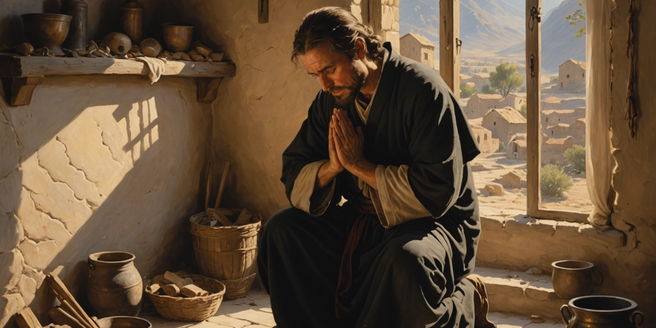
Understanding the Roots of Christian Family Traditions
Christian family traditions are deeply intertwined with spiritual and cultural values passed down through generations. These customs often vary widely between regions, showcasing a diverse tapestry of beliefs and practices. The importance of these traditions is evident in how they are celebrated and preserved across generations. These traditions provide a sense of identity and belonging, offering families a framework within which they can navigate life’s challenges. By examining the historical context in which these traditions developed, we gain insights into how early Christians blended their faith with familial practices. For example, celebrations like Easter and Christmas, rooted in the Christian calendar, also incorporate local customs that predate Christianity, reflecting a dynamic interaction between faith and culture. Understanding these roots emphasizes the adaptability and resilience of Christian family traditions, ensuring their relevance and meaning across different eras and societies.
The Role of Faith in Family Heritage
Faith plays a foundational role in shaping the heritage of Christian families. It influences family values, morals, and the overall worldview. From teaching biblical principles to engaging in communal worship, faith acts as a guiding force, fostering a sense of unity and purpose. It instills values such as love, compassion, forgiveness, and integrity, which are crucial for building and maintaining familial bonds. Sharing stories of faith from generation to generation enhances the depth of these familial connections. By embedding these values in daily life, Christian families cultivate an environment where faith is not just a belief system but an active and living tradition. This integration of faith within family heritage serves as a source of strength and continuity, ensuring the sustainable transmission of values amid societal changes.
Tracing Ancestral Christian Practices
Tracing the evolution of ancestral Christian practices reveals a tapestry of rich traditions that have shaped family and community life. Each generation’s interpretations and adaptations of faith reflect the realities of their time, showcasing both continuity and change. Such traditions serve as bridges to connect past, present, and future generations. The enduring relevance of these traditions highlights their profound impact on shaping personal and communal identities. Practices such as prayer, worship, and ethics have been passed along, with each generation contributing its understanding and expression of these elements. By exploring historical records, stories, and family heirlooms, families can unearth connections to their past, reinforcing their identity. A thorough understanding of these practices highlights the ways in which Christianity has been woven into the fabric of family life, adapting yet preserving its core teachings across ages.
Influence of Christianity on Family Values
Christianity profoundly influences family values, anchoring them in the teachings of love, kindness, and respect. These values guide interactions within the family and with the larger community. By emphasizing virtues such as humility, patience, and charity, Christian values encourage behaviors that promote harmony and understanding. In many households, these values are cherished and passed down through generations. Family rituals, from mealtime prayers to Sunday worship, reinforce these values, serving as constant reminders of the faith’s teachings. Additionally, gatherings during religious holidays provide opportunities for families to strengthen their bonds. Moreover, Christianity often promotes the idea of sacrificial love, where family members prioritize each other’s needs. This commitment to living out Christian values ensures that families become nurturing spaces where members can grow in faith and character, fostering both personal and communal well-being.
Preserving Christian Rituals Across Generations
The preservation of Christian rituals is vital for maintaining a continuous line of faith across generations. These rituals offer a sense of constancy and assurance within a rapidly changing world. Whether through weekly church attendance, holiday celebrations, or daily family devotionals, these practices embed Christian principles into everyday life. Elders play a crucial role in imparting these traditions to younger family members, emphasizing their significance and spiritual meaning. Moreover, the community often comes together to celebrate these rituals, fostering a sense of belonging and unity. As society evolves, adapting these rituals while retaining their core elements is essential to keep them meaningful and relevant. This transmission of Christian rituals ensures that each generation holds a tangible connection to their historical faith, enriching their spiritual heritage.
Stories of Faith: Family Narratives and Heritage
Family narratives deeply rooted in stories of faith have a powerful impact on the heritage of Christian families. These stories of perseverance, miracles, and divine intervention become the threads that connect generations. Many families find immense strength and solace in recalling these powerful stories during challenging times. Through oral traditions, families pass down tales of ancestors’ spiritual journeys, highlighting moments where faith played a pivotal role. Sharing these stories often brings family members closer, fostering a deeper connection through shared experiences. These narratives not only preserve history but also provide valuable lessons and inspirations for contemporary life. By engaging with these stories, family members gain a sense of continuity and purpose, understanding their place within a larger narrative. They reinforce shared beliefs, strengthen community bonds, and ensure that the essence of faith remains a living, breathing legacy.
How Christian Heritage Shapes Identity
Christian heritage shapes personal and collective identity by grounding individuals in a tradition that defines vision and values. This heritage provides a moral and spiritual framework that guides choices and behaviors. Understanding the historical context of these teachings can further enrich the personal connection to one’s faith. As young members learn about their ancestors’ faith-driven lives, they begin to form their worldview, deeply influenced by Christian teachings. These inherited values help navigate the complexities of modern life, offering a sense of belonging and purpose. Furthermore, participating in religious and familial rituals strengthens this identity, forging a bond with past and present community members. This cultural and spiritual lineage thus becomes a cornerstone for identity formation, deeply impacting how individuals perceive themselves and their role in society.
Challenges in Maintaining Religious Heritage
Maintaining religious heritage in Christian families faces several challenges in the modern world. With the increasing pace of societal change and cultural diversity, traditional practices are often put to the test. Younger generations may question rituals or beliefs, influenced by contemporary values and alternative worldviews. The influence of technology and social media also plays a significant role in shaping perceptions and ideas about faith. As society evolves, holding onto long-standing traditions can become increasingly complex. The secularization trend within societies may also contribute to diminished religious participation. However, addressing these challenges involves fostering open dialogues about faith, encouraging questions and reflections, and exploring new interpretations that resonate with today’s context. By actively engaging with these issues, families can find innovative ways to sustain their religious heritage, ensuring that it remains a vital part of their identity and community life.
Bridging Generational Gaps in Christian Families
Christian families often face the challenge of bridging generational gaps as they seek to maintain heritage and cohesion. Differences in upbringing, experiences, and cultural influences can create misunderstandings between generations. It’s important to acknowledge these differences openly and empathetically. By creating a supportive environment, family members are encouraged to express their thoughts and feelings without judgment. Engaging in meaningful conversations around faith, traditions, and values is essential to bridging these gaps. Families can organize gatherings that encourage sharing personal beliefs and stories, where every member, old and young, has a voice. By focusing on common values such as love, respect, and faith, families can foster a sense of unity. The goal is to understand different perspectives and find shared ground, ensuring that the family’s Christian heritage is a living, evolving entity that adapts while maintaining its core identity.