Introduction to Benedictine Monasticism
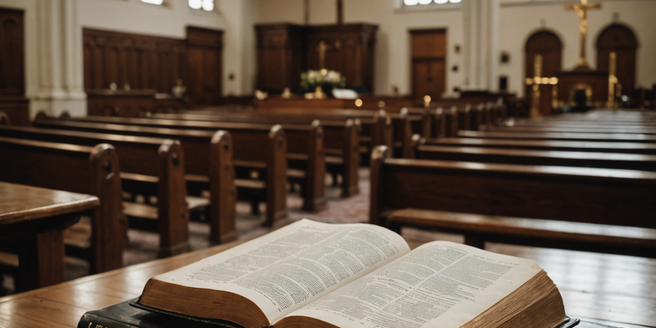
Benedictine monasticism, rooted in the Rule of St. Benedict, emphasizes a balance of work, prayer, and community living. This form of monastic life emerged in the 6th century and has influenced numerous Western monastic orders. Benedictine monks and nuns commit to a stable life within a particular community, following vows that promote humility, obedience, and conversion of life. Central to their daily routine is the Divine Office, a series of prayers recited at set times, fostering a deep connection with God. The monks engage in various forms of work, from teaching to manual labor, emphasizing a self-sustaining community. Hospitality is also a key aspect, as guests are welcomed as Christ. Ultimately, the Benedictine way provides a spiritual framework that encourages personal growth.
The Role of Prayer in Benedictine Life
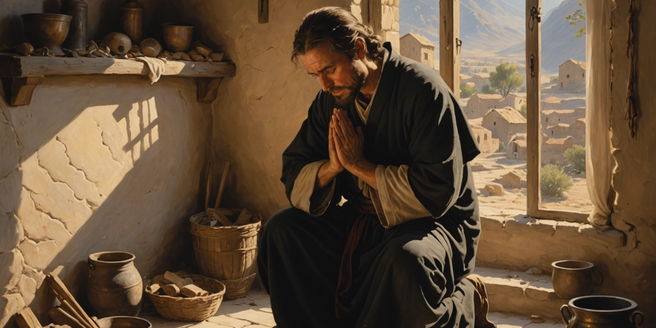
At the heart of Benedictine life is prayer, an essential aspect that frames their daily existence. The Divine Office, or Liturgy of the Hours, structures the day into periods dedicated to prayer and reflection. This rhythm of prayer not only sanctifies the day but also deepens the community’s spiritual life. By setting specific times for prayer, monks and nuns create a continual state of communication with God, offering thanks and intercessions. Apart from communal prayers, personal contemplation and meditation are encouraged during quiet times. This meditative practice allows each member to nurture their spiritual journey. Prayer in Benedictine life is not just a task but a vital, living expression of faith woven into daily routines, reminding the community of their spiritual purpose.
Daily Schedule and Routine Practices
In a Benedictine abbey, the day is meticulously structured to balance work, prayer, rest, and study. Monastic life follows a detailed timetable reflecting the Rule of St. Benedict. The day begins early with morning prayers, setting a contemplative tone. Time is allocated for manual labor, which might involve farm work, maintenance, or crafts, promoting a communal self-reliance. Meals are often simple, consumed in silence, fostering mindfulness. Spiritual reading and study underpin personal growth. The day is punctuated by the Divine Office, drawing the community back to prayer regularly. Evening prayers and night commemorations close the day, preparing minds for rest. This rhythm of life supports not only individual development but also the harmonious functioning of the community, aligning every activity with spiritual intent.
The Importance of Silence and Solitude
Silence and solitude are fundamental components of Benedictine spirituality, essential for nurturing a deep, contemplative life. Embracing silence allows monks and nuns to withdraw from distractions and focus on their inner spiritual sound. In the abbey, silence extends beyond physical quietness; it’s a state of mind, a disciplined practice of listening to God’s presence within. Solitude, often realized in personal prayer or meditation, further enriches this silent exploration. Silence is regarded as a pathway to wisdom, offering clarity and fostering humility. Community life respects these moments, even encouraging them through designated quiet times, ensuring each member can retreat inwardly while remaining connected to the shared spiritual goals. In a world filled with noise, such practices cultivate a serene environment conducive to profound spiritual discovery.
Hospitality: Welcoming Guests at the Abbey
Hospitality is a cherished tradition in Benedictine communities, rooted in the Rule of St. Benedict, which instructs the monks to receive all guests as Christ. This ancient practice of welcoming extends beyond mere duty, reflecting a genuine openness to others. The abbey offers shelter and nourishment, providing a safe haven for travelers and seekers. Guests are invited to participate in the rhythm of monastic life, sharing in prayers and meals. Hospitality here is not just about providing physical needs but also offering spiritual sustenance. Visitors can find solitude and reflection within the tranquil environment, enhancing their own spiritual journeys. By opening their doors, Benedictines not only fulfill a sacred obligation but also create opportunities for intercultural and interfaith dialogue, fostering mutual understanding and peace.
Work and Service: A Balanced Lifestyle
In Benedictine life, work and service are fundamental, embodying the ethos of Ora et Labora, meaning ‘Prayer and Work’. This principle reflects the necessity of integrating spiritual and physical labor, ensuring a balanced lifestyle. Monks and nuns engage in various tasks that support their community, from agriculture and craftsmanship to teaching and healthcare. These activities, rooted in humility and purpose, are seen as extensions of their faith, transforming routine tasks into acts of devotion. The labor is not just for sustenance; it serves as a form of prayer, developing discipline and gratitude. Service to the community promotes a spirit of cooperation and mutual support. By balancing work with prayer, Benedictines demonstrate that all labor is sacred, contributing to personal growth and the wellbeing of their community.
Traditional Benedictine Cuisine
Benedictine cuisine is characterized by simplicity and sustainability, reflecting the order’s principles of self-sufficiency and mindfulness. Meals are prepared with fresh, locally sourced ingredients, often grown within the abbey itself. The dining experience is contemplative; meals are shared in silence, fostering reflection and gratitude. Traditional recipes have been passed down through generations, often featuring hearty soups, homemade bread, and seasonal produce. The focus is on nourishment, with moderation and health being paramount. Special liturgical occasions might see the inclusion of a festive dish or treat, enhancing the communal spirit. Eating becomes a sacred act, reminding all of God’s provision and bounty. This culinary tradition supports the community’s spiritual lifestyle, emphasizing a connection between nature, food, and faith, and promoting the welfare of all creation.
Art, Craft, and the Abbey’s Creative Legacy
Benedictine abbeys have long been centers of artistic and cultural preservation, fostering a rich heritage of art and craft. Rooted in the belief that creativity is an expression of divine beauty, many monasteries engage in various artistic pursuits. From illuminated manuscripts and iconography to music and woodworking, the arts are viewed as a means of glorifying God. Monks and nuns may create beautiful liturgical items, such as chalices and vestments, or decorative pieces that enhance the sacred space. Artistic work is pursued with dedication and skill, reflecting a harmonious balance with spiritual life. This creative legacy not only enriches the monastic environment but also serves broader communities through exhibitions and educational programs, keeping traditional crafts alive and inspiring new generations.
Seasonal Celebrations and Liturgical Events
Seasonal celebrations and liturgical events are integral to Benedictine life, marking the passage of time through sacred observances. Each season is imbued with spiritual significance, offering unique opportunities for reflection and renewal. Advent, Christmas, Lent, and Easter are celebrated with special liturgies and rituals, deepening the community’s connection to the mysteries of faith. These events incorporate elements of music and prayer, involving both the monastic community and visitors. Feast days dedicated to saints or specific traditions provide moments of joy and communion, reinforcing the bonds within the community. The liturgical calendar serves as a spiritual roadmap, guiding the monks and nuns throughout the year, anchoring their lives in faith while connecting them to the broader Christian tradition and its historical richness.
Preservation of History and Cultural Heritage
Preserving history and cultural heritage is a significant aspect of Benedictine abbeys, which often serve as custodians of religious and historical artifacts. Many abbeys house ancient manuscripts, artworks, and relics, safeguarding these treasures for future generations. This commitment extends beyond physical preservation; it involves sharing the legacy through education and outreach initiatives. Monks and nuns may restore artworks, transcribe old texts, or curate exhibitions, making cultural heritage accessible to the public. This work fosters a connection between past and present, enriching both monastic and broader communities. By preserving these links to the past, Benedictines contribute to a deeper understanding of history and tradition. Their efforts ensure that cultural and spiritual wisdom continues to inform and inspire society in a rapidly changing world.