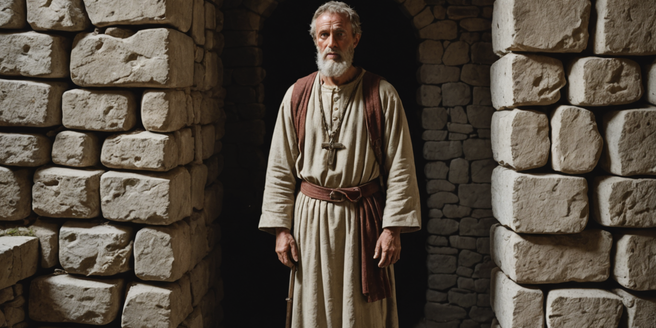
Finding the Sacred in Everyday Moments
The most profound spiritual experiences often occur in ordinary settings. A photographer documenting faith journeys learns to recognize divine moments within daily life: a child’s prayer before meals, sunlight filtering through a church window, or hands clasped in meditation. These unscripted instances reveal authentic human connection to spirituality. By training your eye to perceive the sacred in routine activities, you capture genuine expressions of belief that resonate deeply with viewers. The key is patience and presence, remaining alert to subtle gestures and expressions that convey inner devotion. Often, the most moving photographs emerge when the subject is completely unaware of the camera’s presence. Building trust with your subjects ensures they feel comfortable enough to lower their guard and reveal their true spiritual selves. Such documentation transforms everyday scenes into powerful testimonies of faith.
Capturing Spiritual Transformation Through the Lens
Spiritual transformation represents visible change in a person’s relationship with their faith. Photographing this journey requires understanding individual narratives and documenting pivotal moments across time. Before-and-after series reveal personal growth, whether through baptisms, pilgrimages, or years of dedicated practice. The photographer becomes a witness to profound internal shifts made visible through expression, posture, and environment. Long-term projects tracking one person’s spiritual evolution create compelling narratives. Technical consistency in lighting and framing across sessions strengthens the series cohesion. Building trust with subjects over extended periods allows photographers to capture authentic moments of vulnerability and introspection. Returning to the same locations and poses at different intervals reinforces the visual evidence of change and commitment. These images serve as powerful reminders of how faith reshapes lives, offering viewers insight into transformative spiritual processes.
Building Trust with Subjects: Ethics in Faith Photography
Ethical documentation requires establishing genuine relationships with subjects before picking up your camera. Transparency about your project’s purpose builds confidence and ensures informed consent. Respect cultural and religious boundaries, asking permission before photographing sensitive ceremonies or moments. Discuss how images will be used, ensuring subjects approve final representations. Protect privacy through anonymity when requested and secure image storage. Consider compensating subjects fairly for their time and the emotional labor involved in sharing their stories. Recognize the vulnerability of capturing intimate spiritual moments, treating subjects with dignity and reverence. Regular communication maintains trust throughout projects. Document any agreements in writing to prevent misunderstandings and provide clear records for both you and your subjects. Your ethical approach demonstrates respect for both the individuals and their beliefs, transforming photography into a collaborative storytelling process rather than exploitative documentation.
Visual Storytelling Across Different Belief Systems
Different faith traditions express spirituality through distinct visual languages, rituals, and symbolism. Effective cross-cultural photography requires researching and understanding each tradition’s significance and nuances. Buddhist meditation spaces differ vastly from Christian sanctuaries, each conveying spiritual meaning through unique environmental elements. Learn symbolic meanings within each culture to avoid misrepresentation. Consulting with community members and religious leaders can provide invaluable insights into the deeper meaning of sacred spaces and practices. This collaborative approach ensures that your work honors the authenticity of each tradition. Photograph rituals with contextual awareness, capturing not just actions but underlying beliefs these practices embody. Visual storytelling bridges cultural divides when approached respectfully and knowledgeably. Exhibitions featuring multiple traditions side-by-side celebrate spiritual diversity while fostering interfaith understanding. Your images become educational tools, helping audiences appreciate how different communities express universal human spirituality.
Technical Approaches to Photographing Rituals and Ceremonies
Rituals demand specific technical preparation to capture meaningful moments while respecting sacred spaces. Scout locations beforehand to understand lighting conditions and movement patterns. Use available light when possible, as artificial lighting often disrupts ceremonial atmosphere. Fast lenses and higher ISO settings allow discreet shooting without intrusive equipment. Anticipate key moments through understanding the ceremony’s flow and structure. Position yourself thoughtfully, minimizing disruption while maintaining access to important details. Some traditions restrict photography during certain moments; honor these boundaries completely. Develop rapport with ceremony leaders who guide your technical choices. Always communicate your intentions and limitations before the ceremony begins to ensure everyone feels comfortable with your presence. Your camera should become an extension of your attentiveness rather than a barrier between you and the sacred experience unfolding. Silent, intentional shooting demonstrates respect and allows genuine moments to unfold naturally before your lens.
Creating a Cohesive Series: From Concept to Completion
A successful faith photography series begins with clear conceptual vision and intentional execution. Define your thematic focus before shooting: specific individuals, faith communities, particular spiritual practices, or comparative traditions. Establish consistent visual language through repeating compositional elements, color palettes, or environmental settings. Regular shooting timelines maintain momentum and ensure comprehensive narrative coverage. Review work frequently, identifying gaps and refining direction accordingly. Collect supplementary materials like written interviews or contextual information enriching viewer understanding. Consider how lighting and environment can convey spiritual atmosphere and deepen emotional connection to your subject matter. During editing, maintain consistent aesthetic while allowing each image individual strength. Curation determines final impact; carefully sequence images to build emotional resonance. A cohesive series transforms individual photographs into compelling collective testimony about faith’s role in human experience.
Lighting and Composition for Intimate Spiritual Moments
Intimate spiritual moments demand compositional sensitivity and thoughtful lighting approaches. Natural light often best preserves authentic atmosphere, whether soft morning rays or candlelit evening gatherings. Side lighting reveals texture and emotion in facial expressions, enhancing viewer connection. Composition should balance technical precision with capturing authentic human presence; rigid framing diminishes intimacy. Use negative space to emphasize solitude or connection, depending on narrative intent. Close framing isolates subjects from distractions, intensifying emotional impact. Rule of thirds often feels too formal for spiritual work; consider unconventional framing supporting mood. Shallow depth of field softens backgrounds while focusing attention on subjects. Color temperature and white balance should reflect the emotional tone of each scene, whether warm and comforting or cool and contemplative. Pay attention to horizon lines and leading lines directing viewer attention toward spiritually significant elements within frames.
Sharing Stories: Exhibition and Publishing Your Work
Executing your faith photography project reaches fulfillment through thoughtful presentation and sharing. Exhibitions in galleries, community centers, or faith spaces allow direct audience engagement with your work. Accompany photographs with contextual information respecting subjects’ privacy while providing necessary background. Publishing through photo books, magazines, or online platforms extends reach beyond local communities. Consider artist statements explaining your creative process and project significance. Curatorial choices profoundly impact viewer interpretation; sequence images thoughtfully considering emotional journey. Printed materials become artifacts themselves, offering contemplative experience distinct from digital viewing. When selecting venues, prioritize spaces that align with your project’s underlying values and intended audience. Collaborate with cultural organizations or faith communities for exhibition opportunities. Responsible sharing ensures your documentation honors subjects while contributing meaningfully to broader conversations about spirituality.
Overcoming Challenges and Finding Meaning in the Process
Documenting faith journeys presents emotional, logistical, and creative challenges requiring resilience and reflection. Access restrictions, cultural sensitivities, and personal emotional responses demand careful navigation. Technical limitations in low-light ceremonies test problem-solving skills and adaptability. Photographer bias risks influencing subject selection or image interpretation; constant self-awareness counters this tendency. Long-term projects require sustained motivation despite setbacks. The meaningful challenge lies in balancing technical excellence with authentic human connection. These difficulties ultimately deepen understanding of both photography and spirituality. Building trust with subjects over time proves essential for capturing moments of genuine vulnerability and spiritual significance. Embracing challenges transforms obstacles into opportunities for personal growth and creative breakthroughs. The struggle itself becomes part of the journey, infusing final images with authenticity, depth, and genuine reverence for subjects’ spiritual paths.