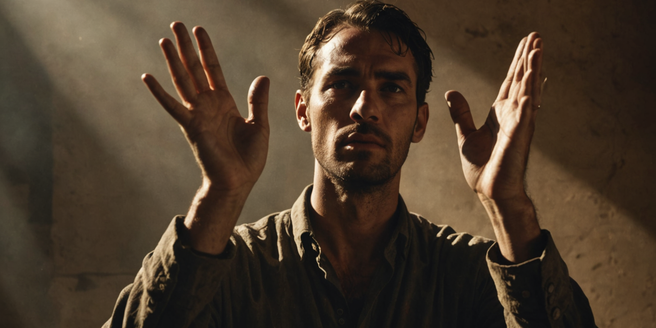
The Concept of Resurrection in Different Cultures
Resurrection has been a central theme in many cultures throughout history. The ancient Egyptians believed in a complex afterlife process, where resurrection was contingent upon moral righteousness, as symbolized by Osiris’s journey. In Hinduism, reincarnation is a form of resurrection that ties a person’s actions in life with their next existence. Native American tribes like the Lakota tell stories of individuals returning from the dead as part of spiritual journeys. Similarly, shamanistic beliefs in Siberia often include resurrection themes where shamans are said to possess the ability to traverse between life and death. In these diverse cultural contexts, resurrection serves as a powerful symbol of hope, morality, and the continuity of existence, linking life, death, and the spiritual world in profound ways.
Historical Accounts of Resurrection
Throughout history, there have been numerous accounts of individuals rising from the dead, often becoming integral parts of religious and cultural traditions. Jesus Christ’s resurrection is one of the most well-documented events within Christianity, symbolizing victory over death and promising eternal life to believers. Ancient Greek and Roman myths also have stories of rebirth, such as the tale of Orpheus and Eurydice. In the Middle Ages, stories circulated about saints who reportedly came back to life, increasing their veneration and support from devout followers. These historical accounts, while varying in credibility, often served to strengthen communal beliefs, influence social structures, and reinforce the power of divine or mythical figures within their respective cultures, acting as a bridge between the earthly and the divine.
Religious Perspectives on Defeating Death
In religious traditions, the concept of defeating death carries different meanings and is often seen as a testament to the power of faith and divinity. Christianity hinges on the resurrection of Jesus as the cornerstone of salvation, promising believers eternal life beyond mortal death. In Islam, the Day of Judgment is a time when every soul will be resurrected and judged by Allah, offering a spiritual victory over death for the righteous. Buddhism views death not as an end, but as a transition, with the ultimate goal of breaking the cycle of rebirth through enlightenment, thus metaphorically defeating death. Hinduism shares a similar view, where moksha stands as the ultimate release from the cycle of life and death. These perspectives shape believers’ attitudes toward death, providing solace and a deeper understanding of existence.
Testimonies and Modern Claims of Resurrection
In contemporary times, stories of resurrection often emerge in the form of near-death experiences and miraculous recoveries that defy medical explanations. Individuals across different cultures and religions share testimonies of seeing a light or sensation of peace before returning to life, sometimes with newfound perspectives on existence. Modern claims also include those of individuals who were pronounced dead, only to revive spontaneously, leaving medical experts baffled. Such accounts raise questions about the boundaries of life and death, encouraging discussions and debate within scientific, medical, and spiritual communities. While skeptics often challenge these testimonies, supporters consider them evidence of a profound connection between life, death, and what might lie beyond, sometimes even influencing beliefs and practices within certain religious or spiritual groups.
Scientific Views on Life After Death
The scientific community approaches the idea of life after death with skepticism, focusing on tangible evidence and natural explanations. Research into near-death experiences examines phenomena like the brain’s activity during pivotal moments and how memory or perception might be affected when the body approaches state failure. Despite the lack of empirical evidence supporting life after death, some scientists explore consciousness’s complexities, pondering whether it transcends physical existence. Through explorations in quantum physics and the study of consciousness, hypotheses emerge about a possible aspect of existence beyond the observable life, attracting both criticism and intrigue. Scientific discourse on the topic often intersects with philosophical debates about the nature of life, urging a multidisciplinary approach to understanding humanity’s most pressing existential questions, while challenging the boundaries of conventional knowledge.
Resurrection in Literature and Media
The theme of resurrection permeates literature and media, offering writers and creators a rich metaphorical landscape to explore. Classic literature, such as Mary Shelley’s ‘Frankenstein,’ delves into the ethical implications and horrors of bringing the dead back to life. In modern fiction, resurrection often appears as a tool for character development or plot twists, exemplified in series like ‘Game of Thrones’ and films like ‘The Matrix.’ Such portrayals in media reflect societal fascinations and fears regarding mortality, technology, and the afterlife. Meanwhile, literature provides a reflective medium through which the complexities of life, death, and what may come after are questioned and reimagined. These narratives continue to captivate audiences, sparking dialogue about existence, morality, and the human psyche’s ability to transcend its limits.