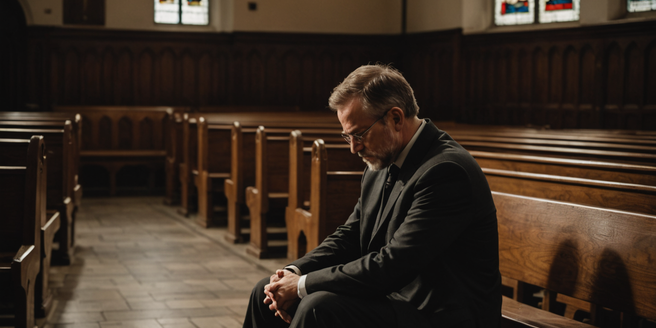
The Damascus Road: A Life-Changing Encounter
Saul’s journey to Damascus marked a pivotal moment in Christian history. Traveling to persecute believers, he encountered a blinding light and heard the voice of Jesus Christ. This supernatural experience shattered his convictions and transformed his purpose completely. Struck blind for three days, Saul fasted and prayed, wrestling with the reality of what he had witnessed. When his sight was restored through Ananias, a disciple, Saul emerged as Paul, a new creation in Christ. This encounter on the Damascus Road was not merely a vision but a direct confrontation with the risen Jesus. Paul would later describe this as foundational to his apostolic calling, claiming equal standing with other apostles based on this resurrection appearance. The dramatic nature of his conversion demonstrated God’s power to radically change hearts and redirect lives toward divine purpose.
From Persecutor to Believer: Understanding Paul’s Transformation
Paul’s transformation from fierce persecutor to passionate believer remains one of history’s most remarkable conversions. Before Damascus, he actively hunted Christians, holding the coats of those who stoned Stephen. His zeal for Jewish law was unmatched, yet this same intensity became channeled toward spreading the Gospel. Understanding this transformation requires recognizing that Paul’s fundamental commitment remained unchanged; only its direction shifted. His persecution stemmed from sincere conviction about protecting Judaism. Likewise, his missionary work reflected genuine conviction about Christ’s lordship. This consistency revealed a man of conviction who followed truth wherever evidence led. Paul’s letters later emphasize that his conversion was genuine and radical, not mere political maneuvering. His willingness to suffer persecution mirrored his former persecuting role, demonstrating authentic commitment. This complete reversal authenticated his message and commanded respect from both believers and skeptics alike.
Early Ministry and Time in Arabia
After his conversion, Paul spent three years in Arabia, a period largely undocumented in Scripture yet profoundly significant for his development. This wilderness retreat paralleled similar spiritual preparations undertaken by other biblical figures. Paul likely spent this time in prayer, reflection, and personal study of Scripture through a Christ-centered lens. Removed from immediate ministry pressures, he processed his radical transformation and reconciled Old Testament prophecies with Jesus as Messiah. This period allowed Paul to develop his theological framework independently before engaging with other apostles. Upon returning to Damascus, he immediately began preaching, demonstrating newfound conviction and clarity. The Arabian interlude prevented premature ministry that might have lacked depth. When Paul eventually met with Peter and James in Jerusalem three years after conversion, he arrived with mature understanding. This contemplative phase proved essential for equipping him as an effective teacher and apologist.
Paul’s First Missionary Journey: Spreading the Gospel
Paul’s first missionary journey, undertaken around 47-49 AD with Barnabas and John Mark, established the foundation for his extensive evangelistic work. The team traveled through Cyprus, Pamphylia, Pisidia, and Lycaonia, proclaiming Jesus in synagogues and establishing believing communities. Paul’s strategy of targeting Jewish audiences first reflected his heart for his own people while creating bridges to gentile conversion. In Pisidian Antioch, he delivered a powerful sermon demonstrating sophisticated biblical argumentation connecting Old Testament prophecy to Jesus’s resurrection. Facing opposition from jealous Jewish leaders, Paul boldly declared the Gospel’s availability to gentiles. This journey witnessed miraculous signs including healing and demon deliverance, validating the apostolic message. Despite physical hardship and persecution, including stoning at Lystra, Paul persevered in his calling. The missionary team appointed elders in newly established churches, providing leadership structure. This first journey demonstrated Paul’s commitment to multiplying believers across geographic regions.
Addressing Opposition and Overcoming Obstacles
Paul faced formidable opposition throughout his missionary career from Jewish leaders, pagan authorities, and false teachers within the church. Rather than discouraging him, these obstacles fueled his determination to complete his mission. He endured beatings, imprisonments, shipwrecks, and constant hardship, catalogued in his second Corinthian letter. Religious opposition often came from Jewish communities threatened by his message of Christ’s finality. Civil authorities viewed Christianity as subversive, prosecuting believers for sedition. Within churches, Paul confronted legalistic teachers promoting circumcision and law-keeping as salvation requirements. His response combined firmness and pastoral care, addressing theological errors while maintaining unity. Paul reframed obstacles as opportunities for demonstrating Christ’s sufficiency and the Spirit’s power. His own suffering paradoxically authenticated his message, proving genuine commitment beyond mere rhetoric. Through these trials, Paul modeled perseverance rooted in hope. His letters reveal deep faith that opposition served God’s ultimate purposes, strengthening believers’ convictions and expanding the Gospel’s reach.
The Jerusalem Council: Defining Christian Practice
The Jerusalem Council, convened around 49 AD, addressed the critical question of gentile inclusion in God’s covenant people. Certain Jewish believers insisted gentiles accept circumcision and observe Mosaic law, creating severe tensions within the expanding church. Paul and Barnabas argued vigorously that salvation came through faith alone, not legal observance. Peter testified to his own experience with gentiles receiving the Holy Spirit without law-keeping, supporting Paul’s position. James, Jesus’s brother and Jerusalem church leader, proposed a compromise respecting cultural sensitivities while affirming gentile freedom. The council decreed gentiles need not be circumcised but should abstain from food sacrificed to idols and sexual immorality. This decision profoundly shaped Christianity’s trajectory, establishing it as inclusive rather than exclusively Jewish. Paul’s firm stance prevented early Christianity from becoming merely a Jewish sect dependent on Mosaic observance. The council demonstrated apostolic unity in addressing doctrinal questions, with church leaders seeking Spirit guidance and scriptural support.
Second and Third Missionary Journeys: Expanding the Mission
Paul’s second and third missionary journeys, spanning approximately 50-56 AD, witnessed unprecedented Gospel expansion throughout the Mediterranean world. These extended campaigns systematized Paul’s approach, establishing churches in major urban centers that became springboards for regional evangelization. The second journey took Paul through Asia Minor, across into Macedonia, and into Greece, reaching major cities like Thessalonica, Corinth, and Athens. His famous Mars Hill speech in Athens demonstrated sophisticated engagement with pagan philosophy. The third journey revisited established churches, strengthening believers through pastoral exhortation and doctrinal teaching. Paul spent extended periods in Ephesus, a provincial capital, establishing a thriving church that influenced the entire region. Throughout these journeys, he supported himself through tentmaking while maintaining rigorous missionary schedules. Traveling companions like Silas, Timothy, and Luke provided encouragement and assisted ministry. These journeys resulted in establishment of churches that remain documented in Paul’s subsequent letters, revealing his ongoing pastoral concern for spiritual development.
Establishing Churches and Pastoral Leadership
Paul’s missionary strategy extended beyond initial evangelization to deliberate church establishment and leadership development. Upon founding churches, he appointed qualified elders demonstrating spiritual maturity and pastoral giftedness. These local leaders inherited responsibility for doctrinal protection, spiritual shepherding, and community care. Paul’s letters to Timothy and Titus provide detailed qualifications for overseers and deacons, emphasizing character qualities and relational competence. His correspondence with various churches reveals ongoing pastoral concern, addressing specific issues, correcting errors, and encouraging perseverance. Paul understood that vibrant churches required capable indigenous leadership capable of sustaining mission beyond his personal presence. He invested significantly in mentoring potential leaders like Timothy and Titus, equipping them for independent ministry. Churches received written guidance addressing specific theological and practical challenges. Paul’s model prevented dependency on apostolic authority while maintaining doctrinal accountability. This leadership development proved crucial for Christianity’s expansion, as trained pastors multiplied disciples throughout regions Paul never personally visited.
Legacy and Impact of Paul’s Missionary Work
Paul’s missionary endeavors fundamentally transformed Christianity from a Jerusalem-based Jewish movement into a worldwide faith spanning diverse cultures and ethnicities. His letters comprise a significant portion of New Testament Scripture, providing authoritative theological instruction shaping Christian doctrine for centuries. The churches he established became centers of Gospel proclamation that evangelized surrounding regions, multiplying believers exponentially. Paul’s methodology of targeting urban centers created strategic Gospel footholds enabling regional saturation. His emphasis on gentile inclusion prevented Christianity’s marginalization as merely another Jewish sect, enabling universal relevance. The leadership structures he implemented sustained church health across generations, enabling continuation of his missionary vision. His personal sacrifice, enduring imprisonment and eventual martyrdom, demonstrated authentic commitment inspiring subsequent generations of missionaries. Paul’s writings emphasize the Gospel’s power to transform individuals and communities regardless of cultural background. His legacy extends beyond immediate converts to establish enduring theological frameworks guiding Christian practice. Modern missionary endeavors continue following Pauline patterns of culturally contextualized Gospel proclamation and indigenous leadership development.