The Persian Court and Royal Decree
The Persian empire under King Ahasuerus represented one of history’s most powerful kingdoms, spanning from India to Ethiopia. The royal court was a place of intricate politics, elaborate ceremonies, and absolute monarchical authority. When the king issued decrees, they became immutable law throughout the empire. This rigid system of governance meant that once something was written into law, it could not be reversed or changed. The court operated with strict protocols and hierarchies, where access to the king was carefully controlled. Nobles and officials competed for influence and favor. Women in the palace faced particular constraints on their freedom and agency. Against this backdrop of absolute power and formal structure, one woman would need to navigate the dangerous waters of court politics to save her people from destruction. Understanding the nature of Persian royal authority is essential to comprehending the stakes Esther faced.
Mordecai’s Guidance and Family Secrets
Mordecai served as Esther’s cousin and guardian, having raised her as his own daughter after her parents’ death. His position as a palace official gave him insight into court matters and potential dangers. Mordecai instructed Esther to conceal her Jewish heritage, understanding that revealing her identity could expose her to prejudice and danger. This guidance stemmed from his protective love and political wisdom. He recognized the precarious position of Jewish people within the Persian empire. Mordecai’s role extended beyond mere guardianship; he became her strategic advisor and moral compass. He maintained surveillance of palace activities and remained alert to threats. Their relationship demonstrated deep familial bonds and mutual trust. Mordecai’s instructions created the foundation for Esther’s later actions, establishing secrecy as both protection and burden. This dynamic between guardian and ward shaped Esther’s character and prepared her for future challenges.
Beauty Preparations and Palace Life
When Esther entered the palace as a candidate for queen, she underwent an extensive beauty regimen lasting twelve months. This preparation included oils, perfumes, cosmetics, and treatments designed to enhance her appearance according to Persian standards of beauty. The palace staff responsible for her preparation noted her grace and favor throughout this process. Esther’s time in the palace exposed her to royal customs, court etiquette, and the mechanics of power. She learned to navigate palace life carefully while maintaining her Jewish identity in secret. The beauty treatments symbolized transformation, yet Esther retained her inner character and values. She gained knowledge of palace routines, the king’s preferences, and court dynamics. During this period, Esther developed the diplomatic skills and composure necessary for survival in such a demanding environment. Her appearance opened doors, but her intelligence and wisdom ensured her acceptance. This preparation phase was crucial, combining outward transformation with inward preparation.
Winning the King’s Favor
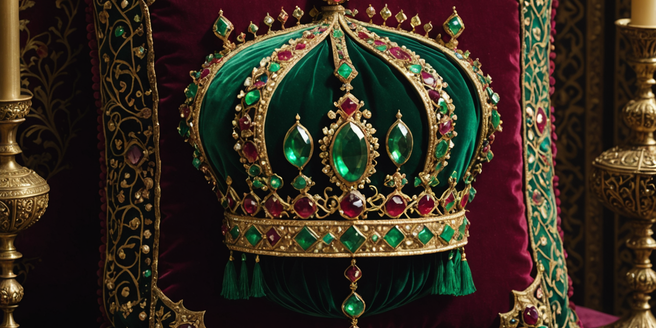
When Esther appeared before King Ahasuerus, he was immediately captivated by her beauty and charm. She obtained favor from everyone who saw her, including the king’s attendants and officials. Ahasuerus loved Esther more than all other women and made her his queen, placing the royal crown upon her head. This elevation to queen was unprecedented for a Jewish orphan, yet Esther’s qualities transcended her background. She possessed not merely physical beauty but also intelligence, grace, and an intuitive understanding of how to interact with the king. Esther’s rise to power was neither accident nor superficial. The king recognized something exceptional in her character. Her queenship provided her with a platform and authority that would later prove instrumental in protecting her people. This favor represented more than romantic attraction; it was the positioning of Providence through human relationships. Esther’s acceptance into the highest ranks of Persian society set the stage for her extraordinary role.
The Conspiracy Against the Jews
Haman, a powerful official promoted above all other nobles, harbored deep pride and demanded universal obeisance. When Mordecai refused to bow before him, Haman’s wounded pride transformed into murderous rage. Learning that Mordecai was Jewish, Haman conceived a plot to destroy all Jewish people throughout the Persian empire. He convinced King Ahasuerus to issue a decree authorizing the slaughter of every Jew on a single appointed day. Haman’s conspiracy was rooted in personal offense but weaponized through systematic prejudice and the machinery of state power. He cast lots to determine the date of destruction, seeking divine approval for his evil intentions. The conspiracy represented an existential threat to Jewish survival. Letters were sent throughout the empire announcing the coming genocide. This terrible threat hung over the Jewish community, creating desperation and despair. The conspiracy demonstrated how quickly hatred could transform into state-sanctioned violence. It was against this backdrop of impending doom that Esther discovered her purpose.
Mordecai’s Plea and Esther’s Internal Conflict
When Mordecai learned of Haman’s plot to destroy all Jews, he was devastated. He clothed himself in sackcloth and ashes, refusing comfort and mourning publicly. His grief reached the palace gates where Esther’s servants witnessed his anguish. When Esther inquired about Mordecai’s distress, he revealed the full horror of the genocide decree. Mordecai then petitioned Esther to approach the king and beg for mercy for her people. This plea placed Esther in an impossible position. Palace protocol forbade anyone, even the queen, from approaching the king without summons. Violators risked execution unless the king extended his golden scepter. Esther’s security as queen derived from her hidden identity; revealing her Jewish heritage could jeopardize everything. She faced an agonizing choice between personal safety and her people’s survival. This internal conflict tested her character profoundly. Esther’s struggle between self-preservation and justice defined her moral awakening.
Preparing for the Risky Banquet
Esther’s response to Mordecai’s plea demonstrated her courage and developing wisdom. She asked him to gather all Jews in the capital for a three-day fast, during which she and her attendants would also fast. This spiritual preparation preceded her dangerous act. Esther then resolved to approach the king unsummoned, fully aware that such an action could cost her life. Yet she declared, ‘If I perish, I perish,’ indicating her commitment to her people’s salvation. This fasting represented more than physical abstinence; it was spiritual preparation and collective solidarity with her endangered people. Esther prepared herself mentally and spiritually for the confrontation ahead. She would request the king’s attendance at a banquet, along with Haman. The banquet would provide an appropriate and less threatening setting for her revelation. Through careful planning and spiritual fortification, Esther transformed her fear into purposeful action. Her preparation combined practical strategy with moral conviction, creating a foundation for her extraordinary intervention.
Revealing Her Identity to the King
Esther’s approach to the king’s inner court, unsummoned and in violation of protocol, terrified her. Yet the king extended his golden scepter, signaling his willingness to hear her. At the first banquet, Esther invited the king and Haman to a second banquet on the following day. This delay created suspense and heightened tension. At the second banquet, Esther finally revealed her identity to King Ahasuerus. She disclosed that she was Jewish and that Haman had plotted to destroy her people. Her revelation transformed her from queen to victim, from insider to member of the condemned group. She exposed Haman’s malicious conspiracy and his personal vendetta against Mordecai. This moment required extraordinary courage because revelation could have resulted in her own execution. Yet Esther spoke truth with dignified clarity. The king’s love for Esther and his sense of justice overcame any prejudice. Her identity was no longer hidden; she had chosen to reveal herself completely, placing her faith in the king’s character and her own moral rightness.
The Reversal of Fate and Justice Served
When King Ahasuerus learned of Haman’s treachery against the Jewish people and his attempt to destroy them, his anger was boundless. Haman’s manipulation and deception were exposed as contemptible. The king had Haman hanged on the very gallows that Haman had prepared for Mordecai’s execution. Justice was served through a complete reversal of Haman’s intentions. The irony was profound; the device meant for Mordecai’s death became Haman’s undoing. The king could not revoke his own decree authorizing the massacre, but he issued a new decree granting Jews the right to defend themselves. On the appointed day, instead of being slaughtered, Jewish people took up arms against their enemies throughout the empire. This reversal transformed certain destruction into triumphant survival. Mordecai was elevated to Haman’s position and received the royal ring. Esther’s intercession had saved her people from genocide. The reversal of fate demonstrated that justice ultimately prevailed and that courage combined with righteousness produced redemptive outcomes.
Legacy of Courage and the Festival of Purim
Esther’s courageous actions and the reversal of her people’s fate became commemorated in the Festival of Purim. This celebration honors the salvation of the Jewish people and commemorates Esther’s extraordinary heroism. Purim falls on the fourteenth day of Adar, marking the date when Jewish people were saved from destruction. The festival involves reading the Megillah, the scroll of Esther, which recounts the complete story of her bravery. Traditions include giving gifts to friends, providing charity to the poor, and festive meals. Esther’s legacy transcends historical narrative; she represents the courage ordinary people can manifest when facing extraordinary circumstances. Her willingness to risk everything for justice and her people’s survival continues to inspire. Esther demonstrated that hidden identity need not diminish one’s power or purpose. Women need not accept passive roles in determining their destiny. The Festival of Purim ensures that future generations remember Esther’s courage, Mordecai’s loyalty, and the triumph of justice over hatred. Her story remains eternally relevant to struggles against prejudice and persecution.