Early Missionary Movements: Spreading Christianity Across Continents
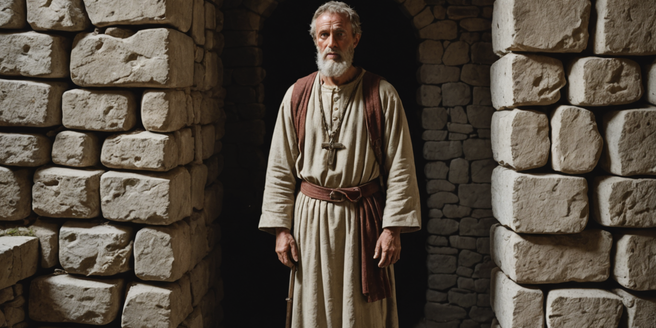
The early missionary movements fundamentally transformed the religious landscape across multiple continents. Beginning in the first centuries after Christ, apostles and devoted followers traveled vast distances along trade routes to spread Christian teachings. Paul’s missionary journeys established churches throughout the Mediterranean region, while later missionaries ventured into Europe, Asia, and Africa. These pioneers faced tremendous obstacles including hostile environments, language barriers, and resistance from established religious traditions. Despite these challenges, they demonstrated remarkable commitment to their mission. Their efforts resulted in the establishment of vibrant Christian communities that adapted teachings to local contexts. The role of these early missionaries cannot be overstated, as they laid the foundational groundwork for Christianity’s eventual global presence. Their legacy continues to influence missionary work today.
Colonial Era Missions and Their Impact on Church Growth
During the colonial period, missionary activities became intricately linked with European expansion and imperial interests. Religious organizations accompanied colonial powers to newly discovered territories, establishing missions alongside settlements. This era witnessed exponential church growth, particularly in the Americas, Africa, and Asia, though often through complex circumstances. Missionaries built schools, hospitals, and churches that served dual purposes of spiritual guidance and colonial administration. While this period brought Christianity to millions, it also imposed European cultural practices alongside spiritual teachings. The colonial mission system created institutional structures that persisted long after independence. Church growth during this era cannot be separated from the broader colonial project, with mixed consequences for local populations. Understanding this historical context remains essential for analyzing contemporary Christianity’s global distribution and the complexities of missionary legacies.
The Role of Indigenous Leaders in Establishing Local Churches
Indigenous leaders proved instrumental in establishing sustainable local churches within their communities. Rather than remaining dependent on foreign missionaries, native populations developed their own ecclesiastical leadership and adapted Christianity to cultural contexts. These leaders understood local customs, languages, and spiritual needs in ways foreign missionaries could not. They served as crucial bridges between Christian theology and traditional belief systems, creating meaningful spiritual experiences for their communities. Indigenous pastors, catechists, and teachers became the backbone of expanding church networks. Their contributions extended beyond spiritual guidance to include social services and education. By training local leaders and empowering community members, churches developed deeper roots and stronger community engagement. The success of Christianity in many regions directly resulted from indigenous leaders’ dedication, creativity, and commitment to their faith. Their legacy demonstrates the importance of culturally appropriate religious leadership.
Modern Missionary Strategies and Adaptation to Global Cultures
Contemporary missionary organizations employ sophisticated strategies emphasizing cultural sensitivity and contextual adaptation. Rather than imposing uniform practices, modern missions invest in understanding local traditions, values, and social structures. Missionaries now undergo extensive cultural training and language preparation before deployment. Technology plays an increasingly vital role, enabling remote education, virtual ministry, and global communication networks. Modern approaches prioritize collaboration with local partners rather than top-down authority structures. Missionaries increasingly focus on community development, healthcare, and education alongside spiritual work. This holistic approach addresses practical needs while demonstrating Christian compassion. Organizations recognize that genuine cultural respect and authentic relationships prove more effective than coercive conversion attempts. Contemporary strategies reflect lessons learned from colonial-era criticisms while maintaining commitment to spreading faith. These adaptations show how missionary work continues evolving to meet contemporary global challenges and diverse cultural contexts.
Challenges and Criticisms of Global Missionary Expansion
Global missionary expansion faces significant challenges and mounting criticisms from multiple perspectives. Critics argue that missionary work historically enabled cultural imperialism, destroying indigenous traditions and imposing Western values. Concerns persist regarding missionaries’ involvement in colonial projects and exploitation of vulnerable populations. Contemporary critics question whether missionary work respects genuine religious freedom and cultural autonomy. Some argue that emphasis on conversion rates prioritizes numbers over authentic spiritual commitment. Environmental and social concerns emerge when missions become associated with exploitation of natural resources. Indigenous communities voice concerns about religious displacement and cultural erosion. Additionally, missionaries occasionally become entangled in political conflicts or support problematic regimes. Accountability and transparency issues plague some organizations. Modern missionaries must thoughtfully navigate these legitimate criticisms while maintaining their spiritual commitments. Addressing these challenges requires honest reflection, ethical practices, and genuine partnership with local communities.