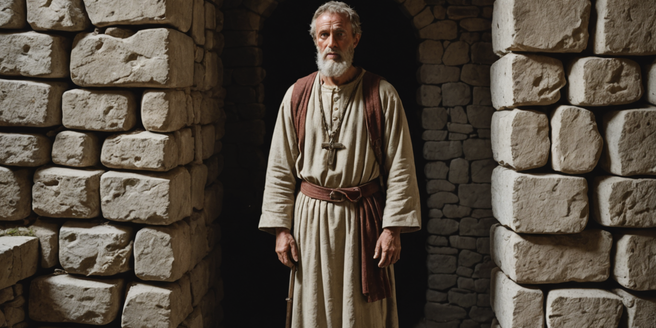
Cultural Barriers and Language Difficulties
Modern missionaries encounter significant obstacles when navigating unfamiliar cultural landscapes. Language barriers prevent effective communication of core messages and make it challenging to build meaningful relationships with local communities. Missionaries must invest considerable time learning local languages and understanding cultural nuances. Without this foundation, well-intentioned efforts can be misunderstood or rejected. Cultural differences in communication styles, religious practices, and social hierarchies require missionaries to approach their work with humility and flexibility. Many missionaries struggle to balance respecting traditional customs while introducing new perspectives. The learning curve is steep and ongoing, demanding continuous adaptation. Success requires not just linguistic proficiency but genuine cultural competence and respect for existing belief systems and community values.
Limited Access to Remote Communities
Reaching isolated populations presents logistical and infrastructural challenges for contemporary missionaries. Remote communities often lack adequate roads, transportation systems, and communication networks. Geographic isolation creates barriers to consistent engagement and ongoing support programs. Missionaries must invest substantial resources to establish sustainable access routes and maintain regular contact. Weather conditions, terrain difficulties, and seasonal changes further complicate reliable service delivery. Supply chains break down, making it difficult to provide necessary resources and materials. The physical demands of traveling to remote areas can be exhausting and dangerous. Limited accessibility means fewer missionaries can be deployed effectively, reducing organizational capacity. Building lasting relationships requires repeated visits and consistent presence, which geographic limitations make extremely difficult to achieve sustainably.
Financial Constraints and Funding Gaps
Insufficient financial resources significantly hamper missionary operations in developing regions. Funding often fails to cover essential expenses like transportation, accommodation, medical supplies, and educational materials. Grant writing and fundraising consume valuable time that could be spent on mission work. Organizations must make difficult decisions about resource allocation and project prioritization. Limited budgets restrict the scale and scope of potential initiatives. Staff members sometimes work without adequate compensation or support systems. Equipment maintenance and replacement become challenging without reliable financial backing. Infrastructure development requires capital investments that many missionary organizations cannot afford. The financial uncertainty creates instability within organizations and limits their ability to plan long-term initiatives. Donor dependency creates vulnerability, and fluctuating contributions directly impact program sustainability and community support.
Health Risks and Medical Emergencies
Missionaries face substantial health hazards while working in developing regions with limited medical infrastructure. Exposure to tropical diseases, contaminated water, and inadequate sanitation creates serious health risks. Medical emergencies in remote areas become life-threatening due to lack of professional healthcare facilities. Missionaries must receive preventive vaccinations and antimalarial medications, creating additional expenses. Mental stress and physical exhaustion weaken immune systems and increase vulnerability to illness. Pregnant missionaries and families with children require specialized medical support often unavailable locally. Emergency evacuation procedures are complicated, expensive, and sometimes ineffective. Chronic health conditions become difficult to manage without consistent medical monitoring. The psychological burden of health uncertainty affects missionary morale and effectiveness. Organizations struggle to provide comprehensive health insurance and emergency response protocols adequate for challenging environments.
Political Instability and Legal Restrictions
Political volatility and discriminatory laws create serious obstacles for missionary work in many regions. Governments may impose restrictions on religious activities, foreign organizations, or specific denominations. Missionary visas face delays, rejections, or sudden revocation without explanation. Political conflicts and civil unrest threaten personal safety and program continuity. Some nations restrict missionaries from teaching religious content in educational settings. Anti-missionary legislation explicitly prohibits conversion activities or religious gatherings. Corruption within governmental systems creates unpredictable challenges and potential exploitation. Missionaries face arrest, deportation, or harassment when operating in hostile political environments. Building relationships with authorities requires careful navigation and strategic planning. Uncertainty about legal status creates constant stress and forces organizations to develop contingency plans for sudden expulsion or program suspension.
Technology Gaps in Developing Regions
Insufficient technological infrastructure limits communication and program effectiveness in developing areas. Many remote communities lack reliable internet connectivity, electricity, or digital devices. Missionaries struggle to maintain contact with home organizations and access necessary resources. Educational technology cannot be implemented where devices and connectivity are unavailable. Data collection and monitoring become challenging without digital systems for recording progress. Information dissemination through digital channels reaches limited populations in technologically underserved regions. Telemedicine and remote support services are impossible without adequate technological infrastructure. Training programs utilizing online platforms are inaccessible to communities without proper equipment. Technology gaps widen disparities between developed and developing regions, limiting access to knowledge and opportunities. Missionaries must work around these limitations by utilizing traditional methods while seeking to gradually introduce appropriate technologies that communities can sustainably maintain and utilize.
Balancing Modern Values with Traditional Beliefs
Missionaries must navigate the complex tension between introducing contemporary perspectives and respecting established cultural traditions. Communities often hold deeply rooted beliefs developed over generations that conflict with modern approaches. Forcing rapid change creates cultural backlash and community resistance to missionary initiatives. Missionaries struggle to determine which traditional practices to respect and which to respectfully challenge. Education and healthcare modernization may threaten traditional practitioners’ livelihoods and social status. Gender roles and family structures differ significantly between modern contexts and traditional societies. Religious practices require sensitivity to local interpretations and spiritual understanding. Development initiatives must consider how change affects community identity and cultural continuity. Successful missionaries adopt gradual, collaborative approaches that honor traditions while introducing beneficial changes. Balancing respect for cultural autonomy with advocacy for positive development requires constant reflection and genuine dialogue with community members.
Mental Health and Emotional Burnout
Missionaries frequently experience severe psychological stress and emotional exhaustion in challenging environments. Witnessing poverty, suffering, and injustice creates compassion fatigue and secondary trauma. Geographic separation from family and support networks intensifies feelings of isolation and loneliness. The pressure to achieve measurable results in difficult circumstances creates unrealistic expectations and disappointment. Many missionaries lack access to professional mental health services and counseling support. Cultural adjustment and ongoing stress without adequate rest leads to burnout and reduced effectiveness. Missionary organizations often prioritize mission goals over personal wellbeing and mental health. Spiritual questions and doubts arise when efforts produce limited visible results. Limited vacation time and pressure to maintain spiritual strength prevent adequate recovery. Organizations increasingly recognize the need for mental health support systems, peer networks, and counseling services integrated into missionary training and ongoing support programs.
Building Trust Within Skeptical Populations
Establishing credibility with communities requires overcoming historical trauma and justified skepticism from past experiences. Many populations have experienced exploitation, broken promises, and false aid commitments from outsiders. Religious skepticism may stem from negative encounters with other missionary organizations or denominations. Skeptical communities require evidence of genuine commitment through consistent presence and reliable follow-through. Trust building occurs slowly through repeated interactions and demonstrated respect for community autonomy. Previous colonial experiences or foreign intervention creates understandable wariness toward outside organizations. Communities evaluate missionaries based on actions rather than intentions or promises alone. Building reputation within communities happens incrementally as missionaries prove reliability and integrity. Transparency about goals, funding sources, and decision-making processes enhances credibility. Successful relationships develop when missionaries view communities as partners and collaborators rather than recipients needing external salvation or intervention.
Sustaining Long-Term Impact and Measurable Results
Demonstrating sustainable impact and quantifiable outcomes remains challenging for many missionary initiatives in developing regions. Short-term projects create temporary improvements but fail to establish lasting systemic change. Measuring success becomes complicated when considering spiritual, social, and economic dimensions simultaneously. Communities require ongoing support beyond initial project phases for meaningful transformation. Building local capacity and leadership ensures continuity after external missionaries depart or resources diminish. Organizations face pressure to show results for donors while investing time in foundational relationship building. Economic sustainability requires developing income-generating activities and local resource management systems. Educational and healthcare improvements require infrastructure maintenance and trained personnel investment. Missionary organizations must balance expansion with deepening existing initiatives for lasting impact. Successful long-term strategies prioritize community ownership, local leadership development, and gradual transition toward complete self-sufficiency and autonomous operations.