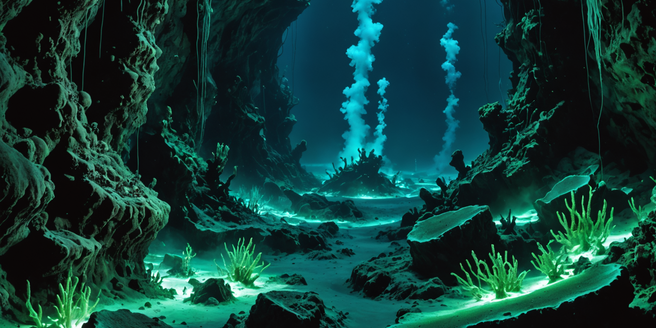
The Invisible World: Understanding Microbial Diversity
Microorganisms represent the most abundant and diverse life forms on Earth, existing in environments from deep ocean trenches to the upper atmosphere. Bacteria, archaea, fungi, and protists exhibit remarkable adaptability and genetic variation. This diversity enables microbes to colonize virtually every ecological niche, from extreme deserts to boiling hot springs. Understanding microbial diversity requires recognizing that these single-celled organisms possess sophisticated mechanisms for survival and reproduction. Molecular techniques like DNA sequencing have revolutionized our understanding of microbial communities, revealing countless previously unknown species. The biodiversity of microorganisms far exceeds that of multicellular organisms, with estimates suggesting trillions of distinct microbial species. This complexity demonstrates that size does not determine biological significance or evolutionary sophistication.
Cellular Structures: How Microorganisms Organize Life
Microbial cells exhibit remarkable organizational complexity despite their microscopic scale. Prokaryotic cells lack membrane-bound organelles but maintain sophisticated internal compartmentalization through protein scaffolds and lipid structures. Eukaryotic microorganisms possess nuclei, mitochondria, and specialized organelles enabling compartmentalized metabolic functions. Cell walls provide structural integrity and protection, varying significantly between bacteria and archaea. Flagella and pili facilitate movement and nutrient acquisition, representing elegant mechanical solutions to environmental challenges. Ribosomes translate genetic information into functional proteins with extraordinary precision. The prokaryotic cytoplasm contains nucleoid regions organizing DNA without nuclear membranes. These spatial arrangements allow microbes to respond rapidly to environmental changes and compete effectively for limited resources. Even simple-appearing cells demonstrate intricate spatial organization, with proteins and metabolic machinery strategically positioned for maximum efficiency.
Metabolic Pathways: Energy Production at the Microscopic Scale
Microorganisms employ diverse metabolic strategies to extract energy from their environments, ranging from photosynthesis to chemosynthesis. Glycolysis breaks glucose into pyruvate, generating ATP molecules essential for cellular processes. The citric acid cycle oxidizes carbon compounds, transferring energy to electron carriers. Oxidative phosphorylation harnesses electron transport chains across membranes, generating substantial ATP yields. Anaerobic pathways enable survival in oxygen-depleted environments through fermentation and alternative electron acceptors. Some microbes derive energy from unusual sources like hydrogen sulfide or iron compounds. Metabolic flexibility allows microorganisms to survive in fluctuating environmental conditions. These energy-generation systems operate with remarkable efficiency, often exceeding industrial processes. Understanding microbial metabolism reveals fundamental principles of life energy production applicable across all organisms.
Genetic Engineering: Manipulating the Building Blocks of Life
Genetic engineering leverages microbial systems to modify organisms at the molecular level through precise DNA manipulation. Restriction enzymes cut DNA at specific sequences, enabling targeted edits and recombination. Plasmids serve as vectors, transferring foreign genetic material into microbial cells. CRISPR-Cas9 technology revolutionized genetic modification, enabling unprecedented precision and efficiency in gene editing. Microorganisms engineered to produce insulin, vaccines, and antibiotics have transformed medicine. Synthetic biology constructs entirely novel genetic circuits, creating microbes with designed functions. Gene therapy applications use engineered viruses and bacteria as delivery systems for therapeutic genetic material. These technologies demonstrate how understanding microbial genetics enables us to reprogram life itself. Ethical considerations accompany these powerful capabilities, requiring careful governance and responsible research practices.
Microbial Communication: Quorum Sensing and Beyond
Microorganisms communicate through chemical signals in a sophisticated process called quorum sensing, coordinating behaviors across entire populations. Bacteria secrete signaling molecules that accumulate as population density increases, triggering coordinated gene expression. This communication enables biofilm formation, virulence factor production, and bioluminescence in specific species. Quorum sensing demonstrates that microscopic organisms possess sophisticated information-processing capabilities despite lacking nervous systems. Inter-species communication occurs through different chemical languages, creating complex ecological conversations. Horizontal gene transfer allows microbes to share genetic information across species boundaries. These communication systems regulate crucial survival strategies and competitive advantages. Understanding microbial signaling reveals emergent properties of microbial communities transcending individual organism capabilities. Scientists exploit this knowledge for biotechnology applications and disease prevention strategies.
Adaptation and Evolution: Survival Strategies of Microbes
Microorganisms exhibit extraordinary adaptive capacity, evolving rapidly through high mutation rates and natural selection. Antibiotic resistance development demonstrates microbial evolution occurring in real-time, posing serious medical challenges. Genetic variation within microbial populations enables rapid responses to environmental changes and selective pressures. DNA repair mechanisms and point mutations generate diversity fueling evolutionary processes. Horizontal gene transfer accelerates adaptation beyond traditional vertical inheritance, enabling acquisition of advantageous traits. Environmental stress triggers increased mutation rates, suggesting microbes possess stress-response mechanisms enhancing evolvability. Dormant spore formation allows survival through hostile periods without immediate adaptation. Microbial evolution operates at faster timescales than multicellular organisms, reflecting shorter generation times. These adaptation strategies reveal how life persists through changing environmental conditions.
Symbiosis and Cooperation: Microorganisms Working Together
Microorganisms form intricate cooperative relationships, including mutualistic and parasitic interactions that shape ecosystems. Mitochondria and chloroplasts represent ancient bacterial endosymbionts, now integral to eukaryotic cells. Nitrogen-fixing bacteria collaborate with plants, converting atmospheric nitrogen into bioavailable forms. Microbial consortia in biofilms create specialized microenvironments supporting diverse metabolic activities. Mycorrhizal associations link fungal networks to plant roots, exchanging nutrients and information. Coral-zooxanthellae partnerships demonstrate microbial symbiosis in higher organisms. Gut microbiota provide essential functions for animal digestion and immune development. These cooperative networks reveal that individual microbes often survive through collaborative rather than competitive strategies. Understanding these mechanisms has profound implications for medicine, agriculture, and biotechnology applications. Such partnerships have driven major evolutionary innovations throughout Earth’s history. Symbiotic relationships demonstrate life’s interconnectedness at microscopic scales.
Disease and Defense: Pathogens and Immune Responses
Pathogenic microorganisms cause disease through diverse mechanisms including toxin production, tissue invasion, and immune evasion. Bacterial virulence factors enable colonization, nutrient acquisition, and host cell manipulation. Viral infections hijack cellular machinery for replication and transmission to new hosts. The immune system recognizes microbial patterns through toll-like receptors triggering inflammatory responses. Phagocytes engulf and destroy pathogens through oxidative burst and enzymatic degradation. Adaptive immunity produces antibodies and T-cells targeting specific microbial antigens. Microorganisms evolve countermeasures to immune recognition through antigenic variation and immunosuppression. Some pathogens produce capsules or biofilms that physically shield them from immune detection. Understanding pathogenic mechanisms informs vaccine development and antimicrobial therapies. This arms race between pathogens and defenses continues shaping microbial evolution and human health outcomes.
Biotechnology Applications: Harnessing Microbial Power
Biotechnology exploits microbial capabilities for pharmaceutical production, environmental remediation, and biofuel generation. Fermentation processes using yeast and bacteria produce beer, yogurt, cheese, and other food products. Recombinant microorganisms generate insulin, growth hormones, and therapeutic proteins for medical treatment. Bioremediation employs microorganisms to degrade pollutants and clean contaminated environments. Microbial fuel cells convert organic matter into electricity through controlled metabolic processes. Industrial enzymes derived from thermophilic bacteria optimize manufacturing processes. Probiotics harness beneficial microorganisms to promote human health and treat diseases. Synthetic biology designs novel microbial systems for drug production and biosensing. These applications demonstrate how understanding microbial physiology enables practical solutions to human challenges. Continued research promises even more revolutionary biotechnology innovations.
The Future of Microbiology: Emerging Research and Discoveries
Microbiology research frontiers include understanding extremophiles, metagenomic analysis, and single-cell biology. Investigating microorganisms in extreme environments may reveal novel metabolic pathways and biomolecules. Metagenomic sequencing enables comprehensive characterization of environmental microbial communities without cultivation. Single-cell genomics reveals heterogeneity within microbial populations previously obscured by bulk measurements. Engineered microbes could address climate change through carbon capture and renewable energy production. Microbiome research expands understanding of human health relationships with microbial partners. Phage therapy represents promising alternative to antibiotics for treating resistant infections. These therapeutic approaches leverage the natural predator-prey dynamics that have evolved over millions of years. Space microbiology explores microbial survival in extraterrestrial environments. Continued technological advances promise unprecedented insights into microbial biology and biotechnology applications.