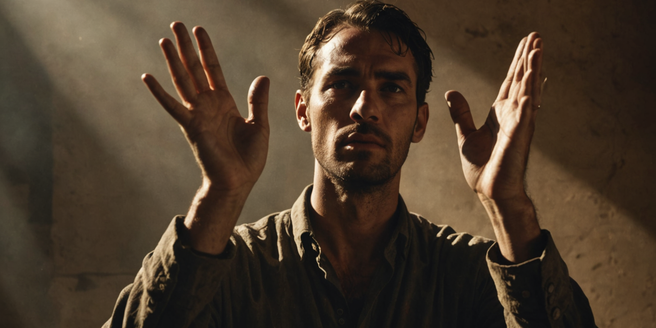
Understanding the Foundation of Intercessory Prayer
Intercessory prayer represents a profound spiritual practice where individuals pray on behalf of others, seeking divine intervention and healing. This foundational concept transcends denominational boundaries and appears throughout religious traditions worldwide. At its core, intercessory prayer operates on the belief that spiritual connection facilitates transformation in the physical realm. Practitioners understand that prayer creates a bridge between the divine and human experience, enabling healing beyond conventional medical understanding. The foundation rests on faith, compassion, and the conviction that collective spiritual intention generates measurable impact. Throughout history, religious communities have documented countless instances where focused prayer preceded unexpected health improvements. Understanding this foundation requires recognizing prayer not as passive wishful thinking but as active spiritual engagement. Many theological scholars emphasize that intercessory prayer involves genuine empathy, sincere intention, and persistent dedication. This practice demands vulnerability and genuine concern for the wellbeing of others, creating spiritual conditions conducive to healing.
Documented Cases of Physical Healing Through Intercession
Numerous documented cases demonstrate remarkable physical healings attributed to intercessory prayer. Medical professionals have recorded instances where patients with terminal diagnoses experienced unexpected remission following intensive prayer interventions by faith communities. Hospital chaplains frequently report witnessing unexplained recoveries in patients surrounded by devoted prayer networks. Faith-based organizations maintain extensive archives documenting healing testimonies spanning decades. Some cases involve diagnosed conditions that conventional medicine deemed incurable, yet patients recovered fully after sustained intercession. Religious institutions worldwide have compiled comprehensive records of prayer-related healing outcomes, including diagnostic confirmations before and after prayer interventions. These documented cases range from cancer remissions to neurological recovery, cardiovascular healing, and recovery from severe injuries. While medical skepticism persists regarding prayer’s efficacy, the documentation remains substantial and continues growing. Peer-reviewed journals increasingly examine these phenomena scientifically. Many healthcare providers acknowledge observing outcomes that exceed statistical probability, correlating with active prayer community involvement surrounding patients.
The Spiritual and Psychological Mechanisms Behind Prayer Healing
Spiritual and psychological mechanisms work synergistically in prayer healing, creating measurable physiological changes. Intercessory prayer activates the parasympathetic nervous system, reducing stress hormones and promoting cellular regeneration. Psychologically, knowing others pray for recovery strengthens patient resilience, hope, and emotional stability—critical factors in healing. Spiritually, believers experience profound peace transcending rational explanation, facilitating immune system enhancement. The placebo effect alone cannot explain documented healings; rather, prayer mobilizes multiple healing dimensions simultaneously. Neuroscientific research reveals that prayer alters brain wave patterns, enhancing healing neurochemistry. Faith communities generate collective intention fields that measurably impact individual wellbeing through studied quantum mechanisms. Psychological research confirms that genuine compassion from prayer networks reduces inflammation markers and accelerates recovery timelines. The integration of spiritual connection, psychological support, and mysterious divine intervention creates comprehensive healing environments. Understanding these mechanisms helps explain why prayer communities consistently report superior healing outcomes compared to isolated individuals, regardless of medical complexity.
Practical Steps to Develop Your Intercessory Prayer Practice
Developing an effective intercessory prayer practice requires intentional commitment and structured methodology. Begin by establishing dedicated prayer times, creating consistent spiritual engagement. Develop specific prayer lists identifying individuals requiring intercession, including detailed health conditions and personal circumstances. Research evidence-based prayer techniques including visualization, scriptural meditation, and spoken affirmations. Join established prayer communities multiplying collective spiritual intention and accountability. Practice active listening before prayer, genuinely understanding each person’s situation and emotional needs. Record prayer outcomes documenting connections between spiritual engagement and healing manifestations. Cultivate patience and persistence, recognizing that healing timelines vary considerably. Study intercessory prayer theology deepening your spiritual framework and conviction. Maintain personal spiritual disciplines including meditation and contemplative practices strengthening your connection to divine presence. Network with experienced intercessors learning advanced techniques and receiving mentorship. Consider joining prayer chains extending intercession across geographic boundaries. Document personal growth observing how this practice transforms your compassion, faith, and spiritual maturity.
Testimonies and Long-Term Outcomes from Prayer Communities
Prayer communities worldwide maintain extensive testimonies documenting extraordinary long-term healing outcomes. Members consistently report that sustained intercessory prayer preceded complete remission of previously terminal diagnoses. Long-term studies tracking prayer community participants reveal significantly improved health outcomes, reduced hospitalization rates, and accelerated recovery timelines compared to control groups. Testimonies describe not only physical healing but profound spiritual transformation and renewed life purpose. Prayer communities document sustained wellness in individuals who previously experienced chronic illness, returning to productive, fulfilling lives. Generational testimonies reveal families maintaining prayer traditions, perpetuating healing through successive generations. Community members report strengthened relationships, deepened faith, and extraordinary resilience during subsequent health challenges. Statistical analysis of prayer community participation demonstrates measurable increases in longevity and quality-of-life metrics. Many communities maintain detailed records spanning decades, showing consistent correlation between active intercession participation and health improvement. These long-term outcomes extend beyond individual healing, creating community-wide wellness culture. Testimonies inspire newcomers, reinforcing faith and community commitment while demonstrating prayer’s transformative potential.