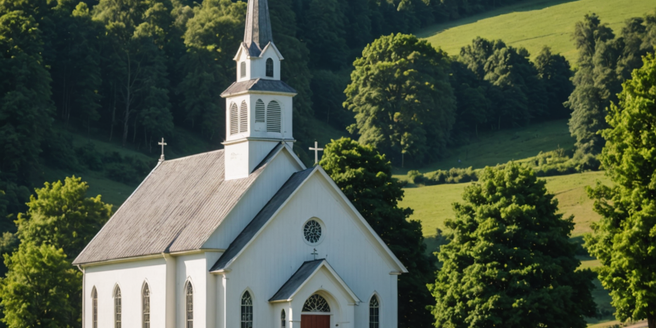
Assessing Current Church Facilities
In order to accommodate a growing congregation and enhance the community services offered, it is crucial for church leaders to regularly assess the current facilities. This evaluation involves identifying the strengths and weaknesses of the existing infrastructure. Attention should be given to the capacity of the worship area, fellowship halls, classrooms, and parking facilities. Moreover, assessing the condition of the building in terms of wear and maintenance needs can help allocate resources efficiently. Church leaders should also collaborate with architectural experts to explore renovation or expansion possibilities. The goal is to ensure these spaces meet current demands and align with future growth projections. Such assessment should also consider the feedback from church members to understand their needs and expectations.
Prioritizing Safety and Accessibility
Churches must prioritize safety and accessibility to create a welcoming and secure environment for all attendees. This focus ensures everyone can participate fully in the community’s activities. Ensuring compliance with local safety regulations and accessibility standards is essential. This includes installing ramps, elevators, and accessible seating for individuals with disabilities. It’s also important to consider the specific needs of different groups, such as the elderly or those with sensory impairments. Fire safety systems, such as alarms and extinguishers, should be inspected and updated. Regular safety drills can enhance preparedness in case of emergencies. Additionally, proper lighting and clear signage can significantly improve overall safety. By prioritizing these elements, churches demonstrate care and commitment to the well-being of their community.
Incorporating Modern Technology
Incorporating modern technology into church infrastructure can greatly enhance the worship experience and operational efficiency. Implementing audio-visual systems for services allows for dynamic and engaging presentations. Live streaming capabilities ensure the church reaches those unable to attend in person. With the right tools, even sermons can be archived for later viewing, expanding access even further. In today’s digital age, staying connected through online platforms has become essential for community building. With user-friendly interfaces, even the less tech-savvy can comfortably participate in virtual services. Furthermore, integrating smart technology for energy management can reduce costs and improve sustainability. Digital tools for administrative tasks streamline operations, allowing church staff to focus on community engagement. By embracing technology, churches can better connect with both current members and potential newcomers.
Expanding Community Spaces
Expanding community spaces within church facilities is vital for fostering fellowship and outreach programs. This expansion involves creating versatile areas that can accommodate a variety of activities, from social gatherings to educational classes. Spaces designed for communal meals, youth groups, and recreational activities encourage members to spend more time engaging with the community. It is essential to consider accessibility features to ensure that everyone can participate fully in the activities offered. Investing in technology infrastructure can further enhance the functionality of these spaces for a modern congregation. Incorporating multipurpose rooms can serve a broad range of needs, maximizing the utility of the space available. By expanding and enhancing these areas, churches can strengthen their role as centers for community support and collaboration.
Sustainable Design in Church Buildings
Sustainable design in church buildings not only benefits the environment but also offers long-term financial advantages. Incorporating energy-efficient systems, such as solar panels and LED lighting, can significantly reduce utility costs. By shifting to green energy sources, churches can also become less dependent on traditional power grids. Additionally, churches that adopt sustainable practices often find that their efforts resonate with younger generations seeking eco-conscious communities. Utilizing eco-friendly materials during renovations or new constructions minimizes the carbon footprint. Churches can also promote sustainability by implementing recycling programs and water conservation measures. Engaging the congregation in green initiatives can enhance awareness and participation in environmental stewardship. Emphasizing sustainable design reflects the church’s commitment to caring for creation and setting a positive example for the community.