Historical Origins and Evolution in Early Christian Worship
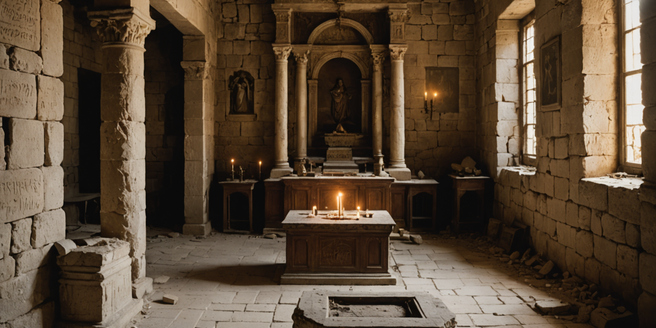
The Lord’s Prayer emerged as a central component of Christian liturgy during the early Church period. Jesus taught this prayer to his disciples, establishing it as a foundational spiritual practice. Early Christian communities incorporated it into their worship services, recognizing its theological completeness and accessibility. The prayer’s structure addressed God’s nature, humanity’s needs, and spiritual reconciliation. As Christian worship formalized through the centuries, the Lord’s Prayer became standardized across different traditions. Patristic writers like Augustine and Chrysostom emphasized its significance and proper recitation. By the fourth century, the prayer had become integrated into the Eucharistic liturgy. Different Christian communities developed unique recitation practices while maintaining the prayer’s essential content. The prayer’s presence in early worship documents demonstrates its immediate acceptance and importance. Its evolution reflects broader developments in Christian theology, community structure, and liturgical practices throughout the ancient world.
The Lord’s Prayer in Catholic Mass and the Eucharistic Tradition
Within Catholic liturgy, the Lord’s Prayer holds a prominent position in the Mass structure. It appears during the Liturgy of the Eucharist, specifically after the priest’s invitation to peace. Catholics recite it communally as a preparation for receiving communion, emphasizing spiritual unity and readiness. The prayer’s petition for daily bread connects symbolically to the Eucharistic bread. Catholic theology views the prayer as essential to the sacramental experience, linking forgiveness and reconciliation themes to the Eucharist. The priest traditionally introduces the prayer, and the congregation joins in corporate recitation. This communal aspect reinforces the Church’s understanding of unity in faith. The prayer’s inclusion reflects Catholic doctrine regarding grace, redemption, and spiritual sustenance. Vatican II reforms maintained the Lord’s Prayer’s centrality while allowing vernacular recitation in most parishes. The prayer serves as a bridge between the consecration and communion, deepening the spiritual significance of the Eucharistic celebration.
Protestant Interpretations and Liturgical Variations
Protestant traditions demonstrate diverse approaches to the Lord’s Prayer within worship services. Some Reformed churches emphasize scriptural authenticity by reciting the prayer exactly as presented in Scripture. Lutheran liturgy incorporates the prayer into regular worship, maintaining its traditional placement. Evangelical churches often recite it during prayer times or as part of communion services, though some emphasize spontaneous prayer. Methodist traditions include the Lord’s Prayer in their liturgical framework while encouraging personal prayer devotion. Pentecostal and independent churches vary in their structured usage, sometimes prioritizing charismatic expression. Baptist congregations typically include the prayer in corporate worship while maintaining individual interpretation freedom. Protestant theology generally emphasizes the prayer as a model for personal prayer practice rather than solely a liturgical requirement. Different denominations translate and present the prayer with varying emphases on traditional versus contemporary language. Despite variations, most Protestant churches recognize the Lord’s Prayer’s central importance to Christian identity and communal worship.
Theological Significance and Spiritual Meaning Within Ritual
The Lord’s Prayer carries profound theological significance within liturgical contexts. It encapsulates core Christian beliefs about God’s nature, human relationship with the divine, and redemptive grace. Theologically, the prayer establishes God’s kingdom priority, emphasizing spiritual transformation over material concerns. Within ritual, the prayer functions as a communal statement of faith and shared spiritual commitment. Its petition structure teaches believers proper approach to God, combining praise, petition, and forgiveness. Spiritually, reciting the prayer corporately creates sacred community identity and collective consciousness. The prayer’s theological components address creation, providence, forgiveness, and eschatological hope. Ritual repetition deepens spiritual internalization and contemplative awareness. Many theologians view the prayer as embodying Christian anthropology and soteriology. Within worship, it serves as a transformative practice connecting individual believers to universal Church tradition. The prayer’s spiritual meaning evolves through interpretive lenses across different denominations and historical periods.
Modern Adaptations and Contemporary Church Practice
Contemporary churches increasingly adapt the Lord’s Prayer to reflect modern contexts while maintaining theological integrity. Many congregations now offer multiple versions, including traditional and contemporary language translations. Some churches incorporate multimedia presentations during prayer recitation, enhancing accessibility and engagement. Contemporary worship services often contextualize the prayer within broader liturgical narratives addressing current social issues. Interfaith communities sometimes recite the Lord’s Prayer with inclusive language modifications. Digital platforms have enabled global simultaneous prayer recitation across denominations. Progressive churches explore the prayer’s social justice implications regarding forgiveness and equitable provision. Some communities integrate contemplative silences within the prayer, emphasizing meditative depth. Youth-focused services frequently reframe the prayer’s language for relevance without diminishing theological substance. Accessibility considerations have led churches to provide multiple recitation formats for diverse congregational needs. Modern liturgical scholarship encourages deeper engagement with the prayer’s scriptural origins and cultural contexts. These adaptations demonstrate Christianity’s dynamic relationship with tradition, balancing historical continuity with contemporary spiritual needs.