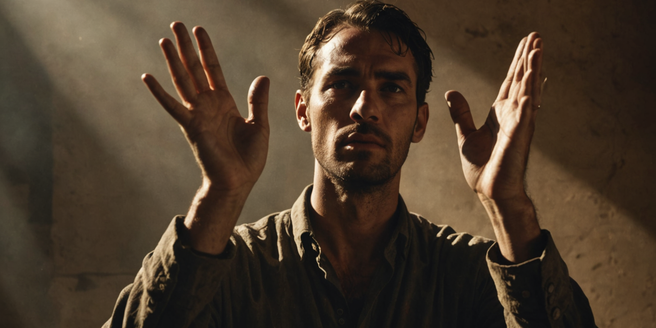
Understanding the Concept of Miracles
Miracles represent events that defy natural laws and elicit awe, often attributed to divine intervention. They play a crucial role in religious contexts, serving as signs of a higher power at work. However, understanding miracles requires examining the fine line between faith and skepticism. While believers may embrace them as authentic, skeptics often demand empirical evidence. Miracles invite individuals to consider possibilities beyond natural explanations, challenging conventional reasoning. Throughout history, the concept has sparked numerous debates, with some seeing them as testimonies of faith, and others finding rational or scientific explanations. This intricate dichotomy underscores the importance of evaluating miracles from both spiritual and rational perspectives. Ultimately, the belief in miracles often hinges upon individual faith, influencing interpretations and acceptance of these extraordinary occurrences.
Historical Accounts of Miracles
Historical accounts of miracles often document events that defy explanation, serving as pivotal moments in religious narratives. Texts from various cultures and religions, such as Christianity’s Bible or Islam’s Quran, are replete with stories of miraculous happenings. These accounts were not only meant to inspire faith but also often served to legitimize spiritual leaders and religious movements. Miracles, such as Moses parting the Red Sea or Jesus healing the sick, have been preserved over centuries, each bearing cultural and spiritual significance. Yet, it is essential to approach these stories with a discerning eye to recognize their allegorical context. Over time, historical accounts of miracles have faced critical scrutiny, prompting debates on their authenticity. Despite skepticism, they continue to captivate believers and scholars alike, forming a compelling part of religious heritage and ongoing theological discourse.
Faith’s Role in Believing Miracles
Faith plays a pivotal role in the belief and acceptance of miracles. While empirical evidence and logical reasoning may falter in explaining such events, faith steps in to bridge the understanding. For many, experiencing or witnessing a miracle strengthens personal beliefs, reinforcing their spiritual convictions. Faith allows individuals to perceive the miraculous through a lens of hope and divine purpose, a reassurance that transcends ordinary experience. It offers a personal connection to the divine, where miracles affirm one’s spiritual journey. However, this reliance on faith does not go without challenges, as believers often face scrutiny from skeptics demanding proof. Nevertheless, faith acts as the cornerstone that supports the acceptance of miracles, helping individuals navigate complex theological landscapes and maintaining the sanctity and reverence of seemingly inexplicable occurrences.
Scientific Perspectives on Miracles
From a scientific perspective, miracles present an intriguing challenge, as they often defy the known laws of nature. Scientists, inclined toward empirical evidence and rational explanations, may view miracles skeptically, attributing them to natural phenomena not yet understood or psychological factors influencing perception. However, some scholars and scientists propose that miracles can coexist with science, as unexplored aspects of the natural world. The dynamic nature of scientific inquiry allows for continuous exploration and discovery, leaving room for reevaluating phenomena previously regarded as miraculous. Dialogues between science and spirituality have timelessly explored this intersection, seeking common ground. As science progresses, it becomes increasingly equipped to investigate and understand rare or unusual events, yet the essence of miracles – their transcendence and spiritual significance – remains rooted in experiences beyond scientific explanation, inviting ongoing exploration and discussion.
Miracles in Modern Society
In modern society, miracles still hold a significant place, manifesting in various forms and experiences. They are often seen in medical recoveries, extraordinary acts of nature, or unexpected coincidences that defy logical explanation. Despite advancements in science and technology, the allure of miracles persists, offering hope and solace to many. Modern media and communication have expanded the reach and interpretation of miracles, allowing stories to inspire global audiences rapidly. The contemporary view of miracles often extends beyond religious contexts, encompassing personal and community experiences that foster a sense of wonder and possibility. Nevertheless, skepticism remains, fueled by scientific understanding and rational inquiry. However, for many, the belief in miracles remains an integral part of the human experience, illustrating resilience, faith, and the enduring hope for the extraordinary within the ordinary fabric of everyday life.
Reconciling Faith and Science on Miracles
Reconciling faith and science on the subject of miracles involves navigating complex ideological terrains. While science relies on empirical evidence and logical reasoning, faith embraces the unseen and the inexplicable as part of divine purpose. To bridge these domains, a dialogue that respects both perspectives is essential. Some theologians and scientists advocate for a complementary approach, where each informs and enriches understanding instead of existing in opposition. By acknowledging the limitations and strengths inherent in both, a more holistic view of miracles can emerge. Continual advances in science may eventually provide explanations for phenomena once considered miraculous, yet the essence of faith provides a dimension of meaning beyond empirical data. Ultimately, reconciling faith and science on miracles requires an openness to multiple interpretations, fostering a respectful exchange that honors both the spiritual and scientific quest for understanding.