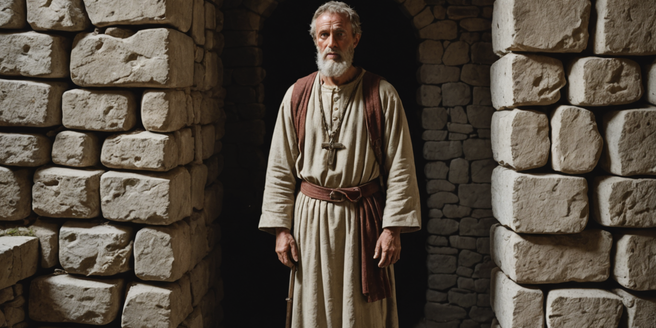
The Silence Before: Understanding Deafness in First-Century Judea
In first-century Judea, deafness represented more than a physical condition; it symbolized complete social isolation. Deaf individuals faced profound stigma, often excluded from religious participation and community life. The Jewish law and cultural practices created barriers that made communication nearly impossible for those without hearing. Medical understanding was limited, offering little hope for restoration. Families frequently hid deaf members from public view, viewing their condition as a potential curse or divine punishment. The marketplace, synagogue, and social gatherings remained inaccessible worlds. Deaf-mute individuals particularly suffered, unable to participate in oral traditions central to Jewish life. This dual disability created an insurmountable chasm between the afflicted and society. The silence surrounding deafness was not merely auditory but social and spiritual. People with this condition lived in profound loneliness, separated from family discourse and community connection. Understanding this context illuminates why Jesus’ healing of the deaf-mute man carried such transformative significance for those witnessing it.
A Cry for Help: The Man Who Couldn’t Hear or Speak
The man brought to Jesus in Mark 7:32-35 embodied the deepest suffering of disability in that era. Unable to hear, he could not learn language or engage in conversation. His muteness compounded his isolation, leaving him unable to express needs, emotions, or thoughts. This combination rendered him utterly dependent on others for survival and meaning. His friends’ desperate act of bringing him through crowds demonstrates the burden his condition imposed on those around him. The man likely communicated through gestures, creating constant frustration and misunderstanding. He existed on the margins of existence, present physically but absent from meaningful human connection. His silence was not peaceful but oppressive, cutting him off from the richness of life and relationship. The stigma he carried made him invisible despite his obvious presence. This man represents countless individuals throughout history trapped in isolation by disability. His reaching out through his companions shows an instinctive yearning for healing and restoration that transcends all barriers.
Jesus’ Compassionate Response to Isolation and Loneliness
Jesus’ reaction to the deaf-mute man reveals profound compassion extending beyond mere miracle-working. Rather than performing a distant, impersonal healing, Jesus engaged directly with the man’s emotional and social needs. He withdrew privately, acknowledging the man’s dignity and creating safe space for transformation. This intimate approach contrasts sharply with typical healing narratives, emphasizing relational connection over spectacle. Jesus recognized that deafness and muteness represented not just physical ailments but profound existential loneliness requiring compassionate presence. His use of touch communicated acceptance and inclusion in ways words could not initially convey. The Savior demonstrated that healing encompasses addressing emotional wounds alongside physical restoration. He validated the man’s worth through personal attention, reversing years of social rejection. This compassionate methodology became Jesus’ signature approach to marginalized individuals throughout his ministry. He modeled radical inclusion, meeting people where they suffered most deeply. His response challenges modern assumptions about disability and suffering, revealing healing as fundamentally relational and centered on restoring human dignity and community belonging.
The Power of Touch: Physical Healing and Emotional Connection
Jesus’ deliberate use of touch in this miracle carries profound significance beyond physical mechanism. He placed fingers in the man’s ears and touched his tongue, establishing intimate contact with the very sites of affliction. This physical connection communicated profound messages of acceptance and belonging that transcended any verbal explanation. Touch represented validation and normalization in a society that likely avoided physical contact with this disabled man. The gesture suggested that the man’s body was not contaminated or unclean but worthy of direct, respectful engagement. Through touch, Jesus demonstrated his willingness to bridge the chasm of isolation the man experienced. This tactile healing addressed not only the physical condition but also the emotional wounds of rejection and loneliness. Modern neuroscience confirms what Jesus implicitly understood: touch facilitates healing and builds trust at profound levels. The man’s sensory deprivation made touch especially crucial for communication and connection. By touching him, Jesus offered restoration of basic human dignity alongside physical healing. This methodology reminds us that authentic ministry involves presence, vulnerability, and willingness to cross social boundaries.
Ephphatha: What Jesus’ Aramaic Word Meant to the Disciples
Jesus’ utterance of the Aramaic word Ephphatha carried extraordinary weight for his disciples who heard it. The word, meaning be opened, represented a divine command operating at the deepest level of creation. By preserving this specific Aramaic term in the Greek gospel account, Mark highlighted its mystical and transformative power. The disciples recognized this word as revealing Jesus’ intimate access to divine authority and creative force. Ephphatha transcended ordinary human speech, functioning as an utterance of cosmic significance. This single word encompassed complete restoration, reversing years of sensory deprivation in an instant. The disciples witnessed Jesus employing the language of creation itself, speaking things into being and transformation. Aramaic was the common tongue of Jesus and his followers, making this preserved word especially poignant and memorable. Its inclusion suggests the disciples considered this moment pivotal in understanding Jesus’ true nature and authority. The word became a touchstone for faith, demonstrating that Jesus operated within divine power. For the disciples, Ephphatha represented the ultimate declaration of lordship and kingdom power breaking through earthly limitations.
The Immediate Transformation: From Silence to Speech
The instantaneous nature of the man’s healing cannot be overstated in its significance and implications. Upon hearing Ephphatha, his ears immediately opened to receive sound, and his tongue was freed to produce speech. This was not gradual rehabilitation or slow neurological adjustment but complete, instantaneous restoration. The man’s first sensory experience of hearing coincided with his newfound ability to speak clearly. He transitioned from profound silence to full communicative capacity in a single moment of divine intervention. This dramatic reversal demonstrated Jesus’ power to transcend normal biological processes and healing timelines. The man’s immediate integration into the hearing world represented total social rehabilitation overnight. Where rehabilitation typically requires months or years of adjustment and therapy, Jesus accomplished complete restoration instantaneously. The transformation implied supernatural intervention that surpassed medical explanation or natural law. Witnesses to this immediate change could not dismiss it as coincidence or gradual improvement but recognized it as miracle. The man’s sudden ability to communicate effectively meant immediate reintegration into family and community. This instantaneous healing emphasized that divine restoration operates according to different principles than earthly limitation.
Breaking Through Barriers: How Jesus Restored Community Access
The deaf-mute man’s healing represented far more than individual restoration; it symbolized breaking through systemic barriers that excluded him from community life. His restored hearing granted access to the synagogue’s oral traditions and religious teachings previously unavailable to him. His regained speech enabled participation in marketplace transactions, family conversations, and social gatherings formerly closed to him. Jesus’ healing didn’t just restore function but systematically removed obstacles preventing community participation and belonging. The man could now hear Torah readings, engage in business negotiations, and participate in community decision-making. His transformation opened doors that years of isolation had sealed shut. This healing model reveals Jesus’ concern with structural inclusion alongside individual restoration. By healing the man, Jesus indirectly challenged cultural and religious systems that perpetuated marginalization. His action demonstrated that community access and inclusion represent spiritual values worthy of divine intervention. The restored man became a living testimony to the possibility of full community participation despite previous disability. His healing invited broader reflection on societal responsibility toward inclusion of marginalized individuals. Jesus modeled radical hospitality that actively removes barriers rather than merely accepting exclusion as inevitable.
The Spiritual Significance of Restored Hearing and Speech
In biblical symbolism, hearing and speech carry profound spiritual meanings extending beyond physical sensation and communication. The ability to hear represents openness to divine truth and willingness to receive God’s word. Speech symbolizes capacity to testify, prophesy, and participate in God’s redemptive narrative. The man’s restored hearing enabled him to receive God’s word in new and transformative ways. His regained speech granted him voice in spiritual and community conversations previously denied him. This healing illustrated Jesus’ mission to restore humanity’s capacity for relationship with God and one another. The spiritual restoration paralleled and complemented the physical healing, creating wholeness at multiple levels. Hearing and speaking became conduits through which the man could access spiritual truth and express faith. His transformation demonstrated that spiritual restoration flows naturally from Jesus’ healing touch. The man could now praise God with his renewed voice and hear divine truth with his opened ears. This spiritual dimension explains why the miracle carried such significance for early Christian witnesses and communities. The healing illustrated Jesus’ power to restore not merely bodily function but spiritual capacity and access to redemptive relationship.
Witnessing the Miracle: The Crowd’s Reaction and Spreading News
The assembled crowd witnessing this miracle responded with astonishment that transcended ordinary surprise or curiosity. They recognized that something unprecedented and unexplainable by natural law had occurred before their eyes. The immediate, complete restoration of hearing and speech defied available medical understanding or rational explanation. The witnesses spread news of this miracle throughout the region, creating growing recognition of Jesus’ extraordinary power and authority. Their proclamation represented more than gossip; it constituted testimony to divine intervention and kingdom power breaking into earthly reality. The crowd’s amazement reflected genuine encounter with transcendent reality disrupting normal existence and expectation. This collective witness created credibility through multiple observers confirming the same miraculous event. The spreading news generated anticipation and hope among other disabled and suffering individuals seeking restoration. The crowd became unwilling participants in Jesus’ expanding ministry and growing reputation. Their reactions demonstrated how divine power manifest through healing creates compelling testimony that demands explanation and response. The miracle’s public nature prevented dismissal or skepticism, establishing it as verifiable historical event. This communal witness underscores how miracles function not merely as private spiritual experiences but as public demonstrations of kingdom reality.
Modern Applications: How This Healing Speaks to Us Today
This ancient miracle carries profound contemporary relevance for modern understanding of disability, inclusion, and divine compassion. Today’s deaf and hard-of-hearing communities offer insights Jesus honored through his healing approach: valuing individual dignity and choice in one’s identity and community participation. The miracle invites reflection on how modern society creates barriers limiting disabled individuals’ access to religious, educational, and social participation. Jesus’ compassionate engagement model challenges assumptions viewing disability primarily through pathology lens rather than as natural human variation. His respect for the man’s personhood transcends clinical approaches reducing individuals to diagnoses or deficits. The healing demonstrates Jesus’ concern with community restoration alongside individual healing, resonating with contemporary inclusion movements. His use of touch and presence speaks to therapeutic value of human connection increasingly valued in modern wellness approaches. The miracle questions whether healing always means eliminating difference or whether it encompasses full community participation and belonging. Modern technology enabling deaf communication through cochlear implants and sign language reflects ongoing conversations about restoration and identity that Jesus’ healing initiates. This miracle ultimately speaks to timeless human yearning for belonging, communication, and restoration regardless of era or context.