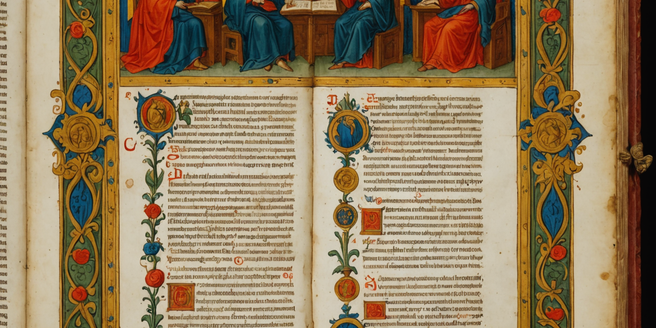
The Historical Roots of Hymn Writing in Christian Tradition
Hymn writing emerged as a powerful spiritual discipline throughout Christian history, beginning with early church fathers who crafted liturgical verses to communicate doctrine and inspire worship. Augustine and Ambrose pioneered Latin hymns that shaped medieval Christianity, establishing patterns still recognized today. The Protestant Reformation revolutionized hymnody when Martin Luther composed vernacular hymns, democratizing sacred music for common believers. During the 18th century, Charles Wesley and Isaac Watts generated thousands of hymns that blended theological precision with poetic beauty, creating an enduring legacy. These compositions served multiple purposes: teaching Scripture, expressing communal faith, and preserving orthodox theology during challenging periods. Hymn writers understood that melodies combined with meaningful text created memorable spiritual anchors. Their intentional craftsmanship reflected deep biblical study and passionate devotion. Understanding this historical context enriches our appreciation for traditional hymns and reveals how generations of believers transmitted faith through song.
How Lyrics Reinforce Core Theological Truths
Hymn lyrics function as theological educators, embedding essential Christian doctrines into memorable verse that believers internalize through repetition and song. Carefully constructed rhyme schemes and meter aid memorization, allowing truths to settle into hearts and minds. Writers strategically employ biblical imagery and direct scriptural references, creating bridges between abstract doctrine and personal faith experience. Metaphorical language transforms complex theological concepts into accessible spiritual language. For instance, redemption narratives become personal testimonies when sung corporately. The emotional resonance of melody amplifies the intellectual content, engaging both mind and spirit simultaneously. This integration proves particularly powerful for visual learners and those struggling with traditional theological instruction. Hymn lyrics addressing grace, salvation, Christ’s resurrection, and God’s sovereignty provide comprehensive theological education. Singing these truths repeatedly strengthens conviction and transforms intellectual understanding into experiential knowledge. This pedagogical method proved invaluable for pre-literate communities and remains effective across educational backgrounds today.
Timeless Hymns That Connect Us to Scripture
Classic hymns function as bridges between ancient Scripture and contemporary faith, translating biblical narratives into singable form that communities can embrace collectively. Songs like “Jesus Loves Me” communicate foundational truths rooted in John’s Gospel, while “Amazing Grace” embodies Paul’s theology of salvation through faith alone. “It Is Well With My Soul” distills Philippians 4:6-7 into consoling melody, transforming anxiety into supernatural peace. “Great Is Thy Faithfulness” draws extensively from Lamentations 3, reframing ancient sorrow into renewed hope. These hymns don’t merely quote Scripture; they interpret and apply biblical truth to human experience. Their staying power across centuries demonstrates universal spiritual relevance. Believers recognize themselves in these compositions, finding their struggles, doubts, and victories reflected in lyrics grounded in Scripture. This enduring connection explains why traditional hymns remain more theologically substantive than many contemporary worship songs. They preserve accumulated wisdom from countless believers wrestling with biblical truths across generations.
Singing as a Spiritual Practice: Transforming Hearts Through Melody
Singing transcends entertainment or performance, functioning as transformative spiritual discipline that integrates body, mind, and spirit in worship. The physiological act of singing engages respiratory systems, creating mindfulness and presence before God. Melody carries emotional resonance that pure spoken words cannot achieve, bypassing intellectual defenses and touching hearts directly. Community singing multiplies this effect, creating corporate spiritual experience where individual voices unite toward common purpose. Historically, contemplative traditions recognized singing’s power for spiritual formation, incorporating chant and hymnody into daily devotional practice. Neurological research confirms that singing activates multiple brain regions simultaneously, enhancing memory retention and emotional processing. When believers sing scriptural truths repeatedly, these affirmations penetrate consciousness at deeper levels than passive listening permits. The vulnerability required to sing publicly creates spiritual openness. This ancient practice continues offering modern believers access to transformation that merely thinking about faith cannot provide, restoring our whole selves to worship.
Building a Personal Hymn Collection for Daily Devotion
Curating a personal hymn collection transforms scattered spiritual resources into intentional devotional practice, establishing consistent encounter with biblical truth through music. Begin by selecting hymns addressing life seasons: comfort during grief, strength during trials, thanksgiving during blessing. Include hymns exploring different theological themes: God’s character, Christ’s work, Holy Spirit’s ministry, humanity’s response. Digital platforms and hymnary websites facilitate discovering lesser-known compositions beyond standard collections. Recording or bookmarking favorites creates accessible personal library for difficult moments. Daily engagement with selected hymns anchors faith practice, providing familiar words when personal expression fails. Many believers discover profound spiritual growth through weekly hymn meditation, contemplating single verses alongside Scripture. Sharing collections with family or friends multiplies impact across relationships. This intentional curation resists cultural spiritual fragmentation, establishing rootedness in historical Christian tradition. Your personal collection becomes spiritual autobiography, mapping faith journey across years. This disciplined practice transforms hymn-singing from occasional church activity into foundational spiritual discipline, deepening biblical faith through consistent, meaningful engagement with classical Christian expression.