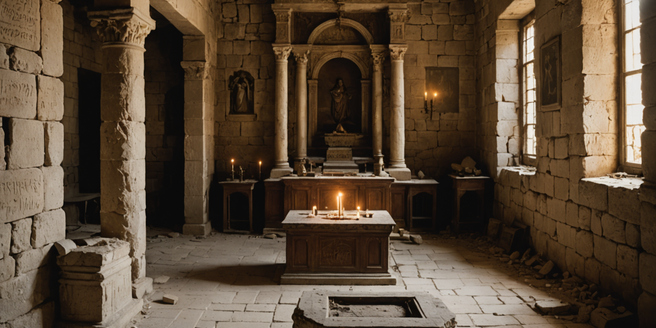
Historical Context and Origins
The phrase ‘Abomination of Desolation’ originates from ancient Jewish texts and represents one of the most significant apocalyptic concepts in religious history. This term emerged during periods of severe religious and political turmoil in Israel, particularly during the Hellenistic period. The concept reflects deep anxiety about foreign domination and religious desecration. Ancient Jewish scholars developed this terminology to describe sacrilege against the Temple and violation of sacred practices. The origins trace back to times when pagan rulers threatened Jewish religious identity and temple worship. Understanding these origins requires examining the political landscape of ancient Middle East where cultural conflicts between Greek and Jewish traditions intensified. The phrase became a powerful symbol of ultimate spiritual betrayal and religious catastrophe.
The Prophet Daniel’s Vision
The Prophet Daniel provided the most detailed biblical account of the Abomination of Desolation in chapters 9, 11, and 12 of his prophetic book. Daniel’s visions described a future desecration of the Temple and the cessation of regular sacrifices. He prophesied that this abomination would occur at a specific time, marking a critical turning point in Jewish history. Daniel’s imagery included descriptions of a desolating sacrilege standing in the holy place. His prophecies were cryptic yet compelling, suggesting both immediate historical fulfillment and eschatological significance. Many scholars believe Daniel referenced the historical desecration by Antiochus IV Epiphanes in 167 BCE. However, theological debate continues regarding whether these visions also predict future end-times events beyond the historical occurrence.
Jesus Christ’s Reference in Matthew 24
Jesus Christ directly referenced Daniel’s prophecy when discussing end-times events with His disciples on the Mount of Olives. In Matthew 24:15, Jesus specifically mentioned the Abomination of Desolation, instructing His followers to flee when they witnessed this sign. Scholars debate whether Jesus referred to the Roman destruction of Jerusalem in 70 AD or predicted a future eschatological event. His warning carried urgency and practical implications for believers, suggesting immediate danger and divine judgment. Jesus emphasized that recognizing this sign was crucial for spiritual preparedness. His incorporation of Daniel’s terminology into His own teaching elevated its significance within Christian theology. This reference established a direct interpretive link between Old Testament prophecy and New Testament fulfillment expectations.
The Roman Siege of Jerusalem in 70 AD
Historians and theologians widely regard the Roman siege of Jerusalem under General Titus in 70 AD as a primary historical fulfillment of the Abomination of Desolation prophecy. Roman soldiers desecrated the Temple, ultimately leading to its complete destruction. Archaeological and historical records confirm the violence and desecration that occurred during this catastrophic event. The Roman military standards, considered abominable by Jewish religious law, were brought into the Temple sanctuary. This siege resulted in approximately one million Jewish deaths and marked the end of Temple-based worship. Early Christian writings reference this event as fulfilling Jesus’s warnings in Matthew 24. The destruction fundamentally transformed Jewish religious practice, forcing adaptation away from Temple sacrifice traditions toward Rabbinic Judaism.
Temple Desecration and Religious Significance
The Temple held supreme religious significance in Jewish faith and practice, serving as God’s earthly dwelling place where sacred sacrifices occurred. Desecration represented the ultimate spiritual violation and betrayal of the covenant relationship between God and Israel. Any profaning of this holy space constituted an abomination that would provoke divine judgment. Historical instances included Antiochus IV’s placement of a pagan altar in the Temple and Roman soldiers’ presence within sacred areas. These acts violated fundamental Jewish law prohibiting gentiles in restricted Temple sections. The psychological and spiritual trauma of Temple desecration extended far beyond physical destruction. Religious leaders understood such violations as signs of God’s withdrawal of protective presence and warnings of impending catastrophic judgment.
Theological Interpretations Across Christianity
Christian denominations present diverse theological interpretations regarding the Abomination of Desolation. Preterist scholars argue it exclusively refers to the 70 AD Roman destruction as complete fulfillment. Futurist theologians maintain it predicts a future end-times event during the Tribulation period. Historicist interpreters suggest ongoing fulfillment throughout Church history. Some traditions incorporate both historical and future dimensions, viewing the prophecy as having multiple layers of meaning. Catholic and Orthodox Christianity often emphasize spiritual interpretations beyond literal fulfillment. Protestant evangelical churches frequently incorporate this concept into systematic end-times theology. The term itself originates from the Book of Daniel and is referenced in the synoptic Gospels, making it a central text for prophetic study across traditions. These varying perspectives reflect different hermeneutical approaches to biblical prophecy interpretation. Ecumenical dialogue continues exploring common ground among these theological frameworks.
The Antichrist Connection in Prophecy
Much Christian eschatological thought connects the Abomination of Desolation to the Antichrist figure described in various biblical passages. Some theologians interpret the Abomination as the Antichrist’s defining action during end-times tribulation. The book of Revelation and 2 Thessalonians contain passages interpreted as describing an Antichrist who commits sacrilege in a future Temple. This interpretation suggests rebuilding of a third Temple in Jerusalem before the end-times. The Antichrist Connection intensifies theological interest in Middle Eastern politics and Temple reconstruction discussions. These discussions often draw from ancient Jewish texts and archaeological research to inform contemporary prophecy analysis. Some conservative Christian groups monitor geopolitical developments for signs of Temple rebuilding. This eschatological framework shapes how certain believers interpret contemporary events through prophetic lenses.
Modern End-Times Beliefs and Debates
Contemporary Christian communities actively debate the Abomination of Desolation’s meaning and application to modern contexts. Dispensationalist theology predicts literal future fulfillment requiring Temple reconstruction in Jerusalem. Progressive Christian scholars critique sensationalist end-times interpretations as historically inaccurate and spiritually problematic. Modern discussions incorporate archaeological discoveries and historical scholarship into theological analysis. Social media and popular Christian media outlets frequently feature prophetic commentary connecting current events to biblical warnings. Academic biblical scholars emphasize contextual historical interpretation over speculative futurism. These debates reflect broader tensions between conservative and progressive theological methodologies. The interpretive divide has also deepened due to differing hermeneutical frameworks regarding apocalyptic literature and its symbolic versus literal dimensions. Understanding modern interpretations requires recognizing how cultural factors and technological communication shape prophetic discourse.
Comparing Old Testament and New Testament Accounts
The Old Testament primarily presents the Abomination of Desolation through Daniel’s prophetic visions using symbolic apocalyptic language. Daniel emphasized cosmic spiritual conflict and divine sovereignty over historical events. The New Testament, particularly the Gospels, grounds this prophecy in concrete historical warning and practical spiritual preparation. Jesus redirected focus from speculative future details toward ethical and spiritual readiness. Matthew, Mark, and Luke each present slightly different emphases regarding this prophecy. Matthew includes the specific phrase Daniel mentioned, while Luke emphasizes the Temple’s physical destruction. These comparative accounts reveal how different biblical authors applied the same prophetic concept to their respective audiences and contexts. The progression from Old to New Testament demonstrates evolving theological understanding.
Spiritual Implications for Believers Today
The Abomination of Desolation carries profound spiritual implications for contemporary believers seeking guidance from biblical prophecy. Regardless of interpretive framework, the prophecy emphasizes the reality of divine judgment against sacrilege and spiritual unfaithfulness. Believers should recognize warnings against idolatry, religious compromise, and abandonment of faithful practice. The concept encourages spiritual vigilance and commitment to authentic faith expression. Modern application calls for personal moral integrity and resistance to cultural pressures compromising religious conviction. Spiritual readiness involves cultivating genuine relationship with God rather than anxious speculation about prophecy details. The prophecy ultimately affirms God’s sovereignty over history and ultimate vindication of faithful believers. Contemporary relevance lies in timeless spiritual principles rather than predictive prognostication.