Understanding Baptism as a Spiritual Milestone
Baptism represents a pivotal moment in the Christian journey, marking a public declaration of faith and inner spiritual transformation. This sacred act symbolizes the washing away of past sins and the beginning of a renewed life in Christ. For many believers, baptism serves as a watershed moment—a clear demarcation between their former existence and their new identity as followers of Jesus. The significance extends beyond mere ritual; it embodies personal commitment and spiritual awakening. Throughout Christian history, baptism has been recognized as essential to spiritual development, providing believers with a foundation upon which their faith can grow. This milestone strengthens resolve, deepens conviction, and connects individuals to a larger community of faith across time and geography.
The Biblical Foundations of Baptism
Scripture provides compelling evidence for baptism’s central role in Christian practice and theology. Jesus himself submitted to baptism by John the Baptist, establishing its importance through personal example. The Great Commission explicitly instructs believers to baptize those who accept the Gospel, embedding baptism within the core mission of the Church. Paul’s epistles elaborate on baptism’s theological meaning, describing it as union with Christ’s death and resurrection. The early Church practiced baptism consistently, as documented in Acts, where thousands were baptized following Peter’s Pentecostal sermon. Old Testament foreshadowing through water rituals and cleansing ceremonies provides additional context for understanding baptism’s spiritual significance. These biblical foundations ensure that baptism remains not merely traditional practice but theologically grounded expression of Christian faith and commitment.
How Baptism Initiates Personal Transformation
Baptism catalyzes profound personal change by externally manifesting internal spiritual conversion. When individuals enter the waters of baptism, they publicly testify to their decision to follow Christ, creating accountability and crystallizing commitment. This act often intensifies spiritual awareness and deepens personal conviction about life direction. The symbolism of burial and resurrection embedded in baptism’s practice mirrors genuine psychological and spiritual transformation. Many believers report heightened awareness of God’s presence and renewed spiritual motivation following baptism. The experience frequently marks the beginning of active spiritual disciplines, increased Bible study, and greater engagement with faith communities. Beyond individual psychology, baptism positions believers for spiritual growth by establishing clear markers of decision and dedication. This milestone provides psychological and spiritual anchoring points that sustain faith during subsequent challenges and doubts.
Building Community Through Baptismal Commitment
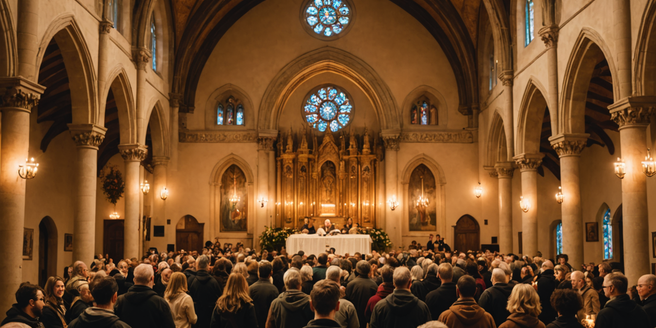
Baptism fundamentally connects individuals to the broader Body of Christ, creating invisible bonds with believers across denominations and centuries. This communal aspect transforms baptism from private experience into shared corporate identity. Congregational witness to baptism strengthens communal bonds and provides collective affirmation of new believers’ decisions. The practice creates visible expressions of Christian unity and common purpose within local churches. Through baptism, believers formally join specific faith communities, accessing mentorship, accountability, and spiritual support networks essential for sustained growth. Historically, baptism served as initiation rite binding disparate groups into cohesive Christian communities. Modern baptismal practices continue this tradition, fostering belonging and mutual encouragement. The communal dimension ensures that newly baptized individuals never journey alone, surrounded instead by seasoned believers invested in their spiritual development and faithful perseverance.
Moving Forward: Baptism as the Beginning of Discipleship
Baptism represents not culmination but initiation, launching believers into intentional discipleship and spiritual formation. Rather than concluding the conversion journey, baptism opens doorways to deeper biblical understanding, spiritual practices, and service engagement. The early Church recognized this reality, implementing post-baptismal instruction periods to ground new believers in foundational Christian teachings. Contemporary discipleship pathways often begin at baptism, with intentional mentoring and spiritual direction following. Baptized believers typically experience expanded opportunities for ministry involvement, leadership development, and spiritual contribution. This progression from baptism to mature discipleship reflects biblical patterns where conversion initiates transformation continuing throughout life. Viewing baptism as discipleship’s gateway encourages sustained spiritual commitment and prevents misconceptions that baptism completes Christian obligation. Rather, baptism establishes the foundation upon which lifelong growth, service, and intimacy with God continuously develops and deepens.