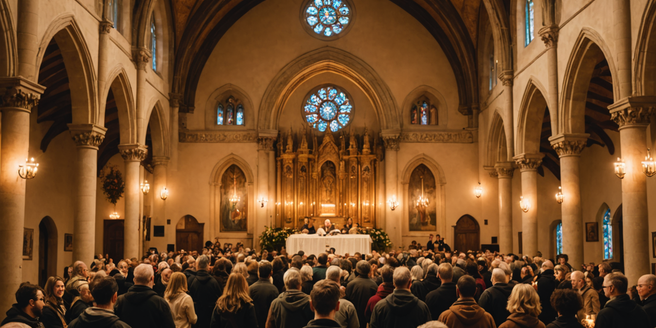
Creating Sacred Space for Connection
Sacred spaces serve as sanctuaries where communities gather to experience spiritual connection. When we designate areas for worship and reflection, we create environments that invite deeper engagement with psalms and each other. These spaces need not be elaborate—a simple room with meaningful decor, comfortable seating, and minimal distractions suffices. The physical arrangement encourages face-to-face interaction and fosters a sense of belonging. Natural lighting, acoustics suitable for singing, and welcoming atmospheres transform ordinary rooms into places of significance. When people enter sacred space, they often leave behind daily stress and worldly concerns. This transition allows participants to focus on communal worship and shared spiritual goals. Creating such spaces demonstrates intentionality about building fellowship. Whether in churches, homes, or community centers, these dedicated areas become anchors for collective worship. They remind us that community requires intentional preparation and consideration of how environment shapes our spiritual experiences together.
Singing Together: The Power of Communal Worship
Communal singing transforms individual voices into unified expressions of faith and hope. When people sing psalms together, they experience profound connection transcending everyday relationships. Singing engages both mind and heart, creating multisensory spiritual experiences. Harmonies blend personal perspectives into collective voice, symbolizing how diverse individuals form cohesive communities. The rhythm and melody of psalms make spiritual truths memorable and emotionally resonant. Congregational singing breaks down barriers between participants, creating vulnerability and authenticity. Shared melodies become touchstones for community identity and continuity. Generations pass down these songs, linking past faithful believers with current worshippers. The physical act of singing—breathing together, matching tempo—synchronizes participants at biological levels. This neurological alignment strengthens social bonding and empathy among singers. Communities that sing together report deeper friendships and mutual support systems. Musical worship creates sacred moments where words alone cannot venture. Through communal singing, psalms become living testimonies of collective faith and shared spiritual journey.
From Individual Prayer to Collective Praise
Personal prayer forms the foundation for meaningful communal worship. When individuals bring their authentic selves to group settings, collective praise becomes genuinely powerful. Many psalms balance personal lament with corporate thanksgiving, modeling this transition. Moving from solitude to community allows personal struggles to be witnessed and validated by others. Shared worship validates individual experiences while expanding perspective beyond personal circumstances. The psalms remind us that our private prayers gain strength when lifted alongside others facing similar challenges. Collective praise amplifies individual voices, creating resonance that solitary worship cannot achieve. Communities practicing this transition develop cultures where personal struggles become communal concerns. Prayer becomes dialogical—between individuals and God, and among community members. This movement from private to public worship strengthens faith by demonstrating its social dimensions. Psalms explicitly encourage this progression, inviting personal hearts to join in universal praise. When congregations embrace this journey together, members experience acceptance and belonging. Individual spirituality matures through integration with collective faith practice, creating holistic spiritual growth.
Psalms as a Foundation for Shared Values
Psalms articulate timeless values that resonate across cultures and generations. When communities study psalms together, they discover common ground transcending individual differences. These sacred texts address universal human experiences—suffering, joy, justice, gratitude, and hope. Shared study of psalms helps communities clarify and affirm collective values and beliefs. The poetic language invites multiple interpretations, allowing diverse perspectives to coexist meaningfully. Psalms emphasize themes like compassion, fairness, and dignity that strengthen community bonds. When congregations recite psalms together, they implicitly commit to the values these words express. This shared commitment creates accountability and mutual encouragement toward living these principles. Psalms remind communities why they gather and what unites them beyond convenience. Regular engagement with these texts reinforces community identity and purpose. Discussion following psalm meditation deepens understanding of how ancient wisdom applies to contemporary situations. Psalms become conversation partners in forming community conscience and collective decision-making. This foundation of shared values enables communities to navigate challenges with clarity and unity.
Deepening Bonds Through Spiritual Practices
Regular spiritual practices strengthen relationships by creating consistent opportunities for meaningful interaction. Psalm-based practices—meditation, responsive reading, choral singing—require participants to show up authentically. Repetition builds familiarity and trust among community members. When people practice together regularly, they develop shared language and inside references that bond groups. Spiritual disciplines like prayer and contemplation cultivate patience and empathy essential for healthy relationships. Communities maintaining consistent practices develop accountability structures that support members during difficulties. Shared ritual creates predictability and safety, allowing people to relax and connect genuinely. Psalm practices invite vulnerability as participants voice struggles, hopes, and faith journeys. Witnessing others’ spiritual authenticity encourages reciprocal openness and trust. Over time, these practices transform casual acquaintances into genuine friends and spiritual companions. The embodied nature of practices—singing, bowing, speaking together—creates somatic bonds complementing intellectual connection. Communities investing in deep spiritual practices experience stronger resilience during challenges. These disciplines become threads weaving individuals into tightly-knit communities of mutual support and shared sacred purpose.