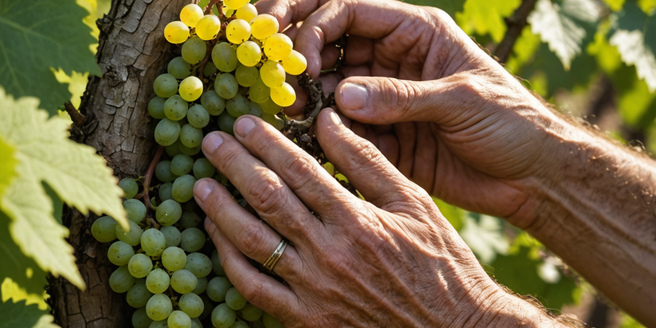
The Vineyard as a Spiritual Metaphor
The vineyard serves as a profound symbol in biblical teaching, representing God’s kingdom and the spiritual community of believers. This agricultural setting grounds abstract spiritual concepts in tangible, relatable imagery. The vineyard requires intentional cultivation, care, and oversight—much like our spiritual lives demand deliberate nurturing. Each vine and branch within the vineyard symbolizes individual believers and their connection to divine purpose. The vineyard’s productivity depends entirely on the health of its root system and the vitality flowing through its branches. This metaphor emphasizes that spiritual fruitfulness is not accidental but results from being properly connected to a life-giving source. Understanding the vineyard as a spiritual space helps us recognize our place within God’s larger design and purpose for our lives.
What It Means to Remain Connected to the Vine
Remaining connected to the vine represents maintaining an active, living relationship with Christ as the central source of spiritual sustenance. This connection is not merely theoretical or distant but requires daily engagement through prayer, scripture study, and faithful practice. When we remain connected, we receive nourishment that enables genuine spiritual growth and transformation. The connection provides strength during trials and stability during uncertainty. Spiritual disconnection, conversely, leads to spiritual withering and diminished capacity for bearing fruit. Remaining connected demands intentionality and commitment, particularly in a world offering countless distractions. This vital link ensures that our efforts are grounded in divine purpose and energized by spiritual power rather than mere human effort alone.
Identifying Unproductive Branches in Our Lives
Unproductive branches represent areas of our lives that consume resources but yield no spiritual fruit. These might include unhealthy relationships, time-consuming habits, pursuits misaligned with our values, or commitments that drain spiritual energy without purpose. Identifying unproductive branches requires honest self-examination and willingness to confront uncomfortable truths about our choices and directions. Unproductive patterns often develop gradually, making them easy to overlook until they significantly impact our spiritual health. Signs include diminished joy, reduced effectiveness in ministry, persistent guilt, or feeling spiritually stagnant. Recognizing these branches is essential for spiritual health, as they compete with healthy growth for resources and attention. The identification process itself can be painful but ultimately liberating, opening pathways toward genuine transformation and renewed spiritual vitality.
The Process of Pruning and Spiritual Growth
Pruning, while uncomfortable, represents necessary removal of unproductive elements to stimulate healthier growth and increased fruitfulness. God’s pruning process may involve removing relationships, habits, or circumstances that hinder spiritual development, regardless of whether they seem pleasant initially. This pruning is not punishment but an act of love aimed at our ultimate flourishing and effectiveness. The process often involves suffering, loss, and seasons of apparent lack, yet these periods catalyze profound transformation. Spiritual pruning teaches us trust, dependence, and submission to divine wisdom beyond our immediate understanding. Though pruning feels painful during its occurrence, the resulting growth demonstrates its necessity and value. Understanding pruning as beneficial rather than punitive helps us embrace difficult seasons as opportunities for deeper spiritual refinement and alignment with God’s purposes.
Bearing Fruit Through Faith and Obedience
Bearing fruit emerges naturally when faith and obedience work together as integrated spiritual practices. Faith provides the trust necessary to follow divine guidance, while obedience demonstrates the sincerity of our faith through concrete action. Fruit appears in multiple forms: spiritual character development, positive influence on others, loving service, and transformed perspective reflecting divine values. True fruit cannot be manufactured through human effort alone but flows from authentic connection and alignment with spiritual truth. Bearing fruit requires vulnerability, as it involves allowing our transformed hearts to impact the world around us. The process involves patience, as fruit develops gradually through seasons of growth and maturation. When faith and obedience intertwine, our lives naturally produce evidence of transformation, blessing both ourselves and those we encounter.
Applying the Parable’s Lessons to Modern Discipleship
Modern discipleship requires translating ancient agricultural wisdom into contemporary spiritual practice and commitment. Today’s disciples must examine how digital distractions, professional demands, and cultural pressures affect their spiritual connection and fruitfulness. The parable’s principles remain timeless: we cannot create spiritual fruit through willpower alone but must remain vitally connected to our spiritual source. Modern disciples benefit from intentional communities, regular spiritual discipline, and honest accountability relationships that help identify unproductive patterns and encourage growth. The pruning process continues in contemporary settings through life circumstances, relational challenges, and internal convictions calling us toward alignment with divine values. Applying these lessons means recognizing that authentic spiritual discipleship transcends any era, always requiring honest assessment, courageous pruning, and faithful commitment to bearing fruit that reflects our deepest convictions and highest calling.