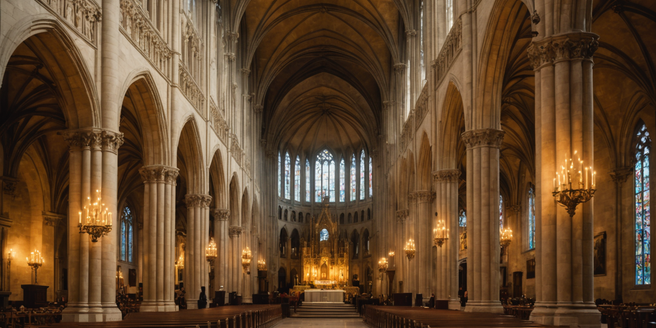
Introduction to Prayer Across Cultures
Prayer is a universal practice transcending cultures and societies. Across the globe, from the whispered incantations in remote villages to the elaborate ceremonies in grand temples, prayer represents a bridge between the mundane and the divine. It is an expression of faith, hope, and sometimes a plea for guidance or intervention. The diversity of prayer styles reflects the rich tapestry of human spirituality, highlighting both shared values and distinct beliefs. By examining prayer’s various forms, we gain insight into societal values, communal identity, and individual needs. Understanding these differences and commonalities leads to a deeper appreciation of the cultural tapestry that shapes our global religious landscape, underscoring the profound connection between humanity and the sacred.
The Role of Prayer in Ancient Civilizations
In ancient civilizations, prayer played a pivotal role in daily life, serving as a vital connection to the divine. From the hymns of the Sumerians, invoking their gods for prosperity, to the sacred rituals of the Egyptians who believed their prayers could influence the cosmos, prayer was integral to religious and social structures. Many cultures viewed their leaders as intermediaries between gods and people, placing immense value on prayers for peace, victory, and survival. These early prayers often encapsulated fears, hopes, and the desire for protection, revealing much about ancient societies’ priorities and challenges. Through artifacts and written texts, the ancient prayers offer us a window into how early humans sought to make sense of the world, guiding their civilizations through times of uncertainty and change.
Eastern Philosophies: Meditation and Prayer
In Eastern philosophies, meditation and prayer are often intertwined, forming vital elements of spiritual practice. Unlike the petitionary prayers common in the Western tradition, Eastern prayers may not always seek divine intervention but rather promote internal peace and enlightenment. Practices such as Zen meditation and Buddhist chanting focus on mindfulness and self-awareness, aiming to cultivate a deep connection with the present moment and the universe. These practices are seen not as requests for favor but as pathways to personal growth and inner harmony. By embracing meditation and prayer as complementary practices, Eastern traditions underscore a holistic approach to spirituality, emphasizing balance, self-discovery, and the unification of body and mind as central tenets of religious life.
Western Perspectives on Prayer Practices
Western prayer practices tend to focus on dialogue with the divine, characterized by petition, thanksgiving, and supplication. Predominantly found within Judeo-Christian traditions, prayer is seen as a way to communicate with God, seek guidance, or express gratitude. The structure of Western prayers can range from formal liturgical prayers, often recited during communal worship, to personal, spontaneous prayers. This diversity reflects a key aspect of Western spirituality: the importance of individual experience and personal relationship with the divine. As society evolves, so do these practices, incorporating contemporary issues and personal reflections. By examining Western prayer, we see how cultural and religious transformations have continually reshaped the ways people seek to connect with and understand their faith.
Indigenous Traditions and Sacred Rituals
For indigenous cultures worldwide, prayer is often intricately linked with sacred rituals and the natural world. These traditions view prayer not only as communication with deities but as an expression of harmony with nature and ancestors. Ceremonies often feature prayer through dance, song, and offerings, reflecting a deep respect for the earth and its cycles. The spiritual beliefs embedded in these traditions emphasize community, stewardship of the land, and continuity between the past and future. By preserving these rituals, indigenous communities maintain their cultural identity and spiritual heritage. The prayers and rituals are often seen as living practices, evolving yet rooted in ancient truths that sustain the connection between the people, their history, and the sacred landscape they inhabit.
The Impact of Globalization on Prayer
Globalization has significantly impacted prayer practices, leading to both the convergence and divergence of spiritual traditions. Increased connectivity has facilitated the exchange of ideas, introducing individuals to diverse religious practices and beliefs. As a result, traditional prayer forms have been reshaped, blending elements from various cultures to create new, syncretic practices. While some fear this dilutes the purity of ancient traditions, others see it as an enriching evolution, offering a more inclusive spiritual experience. Additionally, globalization has challenged religious communities to preserve their unique practices while adapting to contemporary global contexts. By understanding globalization’s impact on prayer, we can better appreciate the adaptability and resilience of spiritual practices in an increasingly interconnected world.
How Prayer Varies Within Religions
Within any given religion, prayer practices can vary widely, reflecting the diversity of interpretations and traditions held by its followers. In Christianity, for instance, Catholics, Protestants, and Orthodox Christians have distinct liturgical practices, prayer forms, and rituals. Similarly, in Islam, the Sufis embrace mystical prayers that differ from the predominantly Sunni practices. These variations are not merely theological but often adapted to cultural contexts, historical developments, and individual preferences. Understanding these practices gives us insight into the universal quest for meaning and connection. By examining these differences, we can appreciate the rich tapestry and dynamic nature of religions. This diversity, rather than division, often underscores a shared commitment to faith and spirituality, allowing individuals to express their devotion in ways that resonate personally and communally.
Modern Interpretations and Personal Practices
In modern times, the landscape of prayer is increasingly influenced by personal spirituality and existential exploration. Many individuals integrate mindfulness, meditation, and elements from varied spiritual paths into their prayer life, creating personalized practices that reflect their unique beliefs. The rise of secularism and individualism has also led to an emphasis on prayer as an introspective, contemplative exercise rather than a structured religious obligation. In some communities, there is a growing trend of using technology and apps to facilitate daily prayer and meditation practices. This shift enables a broader interpretation of prayer, celebrating it as a universal expression of meaning and connectedness beyond traditional religious frameworks. As people seek deeper personal connections and understanding, modern interpretations of prayer continue to evolve, offering diverse ways to experience spiritual fulfillment and peace.
Scientific Studies and the Benefits of Prayer
Scientific research into the benefits of prayer highlights its potential positive effects on mental and physical health. Studies suggest that regular prayer or meditation can reduce stress, enhance emotional well-being, and promote a sense of peace and resilience. The psychological benefits often attributed to prayer include increased focus, emotional regulation, and a greater sense of interconnectedness. Moreover, the communal aspect of prayer offers social support, fostering a sense of belonging. While science may not fully unravel the mysteries of spiritual experiences, it acknowledges the tangible impacts of prayer on individuals and communities. By exploring these findings, we recognize prayer’s role not just as a religious exercise but as a holistic practice with potential therapeutic benefits.
Conclusion: The Universal Language of Prayer
Prayer, in its myriad forms, serves as a universal language connecting diverse cultures and beliefs in pursuit of meaning, comfort, and hope. Despite differences in theology or practice, the shared act of prayer reflects a profound human need for connection with the divine and the world around us. By transcending linguistic and cultural barriers, prayer underscores the commonality of human experience and spirituality. In our ever-changing world, it remains a source of solace and strength, inviting individuals from all walks of life to engage in reflection and gratitude. In recognizing prayer’s universal appeal, we celebrate its capacity to foster understanding and empathy, bridging divides and nurturing a global community bound by shared humanity.