Understanding the Concept of a Home Ministry Center
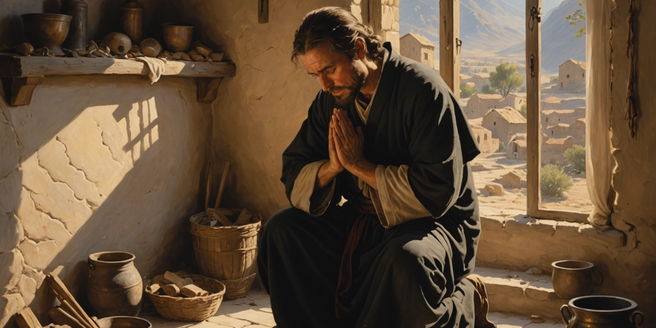
Transforming your home into a ministry center involves integrating faith into your daily living space. It is about creating an environment where spiritual growth is nurtured, and community is fostered. This concept emphasizes the idea that ministry is not confined to traditional institutions but can flourish in the home. By dedicating spaces for prayer, study, and fellowship, you cultivate a sanctuary of peace and purpose. An essential part of this transformation is encouraging regular, meaningful interactions among household members. It invites individuals and families to embrace hospitality, outreach, and service within their own walls. The goal is to align everyday life with spiritual values, ensuring that faith is seamlessly woven into the fabric of daily routines. This transformation requires intentional planning and a commitment to using the home as a base for spiritual and communal engagement.
Benefits of Transforming Your Living Space
Transforming your living space into a ministry center carries numerous benefits. It enhances the sense of community and belonging among family, friends, and neighbors. By establishing an inclusive environment, individuals feel more connected and supported. Moreover, a dedicated spiritual space encourages regular worship and study, reinforcing personal and communal faith growth. This transformation also instills a sense of purpose, making every interaction an opportunity for ministry. The comforting atmosphere of a home can provide a retreat from the fast-paced world outside. Additionally, hosting gatherings and events at home reduces the need for external venues, fostering more personal and meaningful interactions. Overall, using your home as a ministry center strengthens relationships, increases spiritual awareness, and promotes a lifestyle centered around faith and service. This intentional shift impacts not only those within the household but also extends to the broader community.
Essential Elements for a Spiritual Environment
To create a spiritual environment at home, several essential elements must be considered. Start with a dedicated space for prayer and meditation, free from distractions, to facilitate focus and reflection. Incorporate symbols of faith, like crosses or scriptures, as constant reminders of your beliefs. Comfortable seating and soothing decor can create an inviting atmosphere that encourages spiritual engagement. Consider adding plants or natural elements to bring a sense of life and vitality to the space. Music or ambient sounds may enhance the mood and help foster a peaceful setting. It is also vital to ensure the space remains clutter-free, promoting a sense of order and tranquility. Accessibility is key; every member of the household should feel welcome to participate and contribute. By thoughtfully integrating these elements, your home becomes a nurturing ground for spiritual growth, serving both individual and communal needs.
Creating Welcoming Spaces for Fellowship
Creating welcoming spaces for fellowship in your home involves thoughtful planning and hospitality. Start by arranging seating in a way that fosters interaction and connection. Use warm lighting and decor to create a cozy, inviting atmosphere. Providing refreshments or meals can make gatherings more welcoming and offer opportunities for bonds to strengthen. Consider playing soft background music to enhance the ambiance without overpowering conversations. Consider the flow of space to ensure ease of movement and access during events. Personal touches, like sharing stories or mementos, can help guests feel valued and appreciated. It’s essential to cultivate an environment where everyone feels comfortable and included, regardless of background or belief. By prioritizing these elements, your home can become a hub for fellowship, encouraging meaningful connections and shared experiences among all who visit.
Incorporating Prayer and Worship Areas
Incorporating prayer and worship areas within your home enables regular spiritual practice and reflection. Begin by choosing a quiet, peaceful location that minimizes distractions. Simple, yet meaningful decor such as candles, plants, or religious artifacts can enhance the sacredness of the space. Introducing natural elements, like fresh flowers or water features, can also contribute to a serene atmosphere. Incorporate comfortable seating or cushions to support meditation and relaxation. Consider adding resources like scriptures, devotional books, or music to support worship activities. It is helpful to designate specific times for prayer and worship, carving out moments of stillness in the hustle of daily life. Encourage family or housemates to participate, fostering a shared commitment to spiritual discipline. By intentionally creating and utilizing these areas, your home becomes a grounding space for spiritual renewal and connection with the divine.
Hosting Bible Studies and Group Meetings
Hosting Bible studies and group meetings at home can be a rewarding way to engage with your faith community. Ensure the space is comfortable, with enough seating and minimal distractions, to promote focused discussion and learning. Prepare the meeting area by organizing Bibles, study guides, and note-taking materials for participants. A structured agenda or study plan helps maintain flow and engagement. Don’t forget to assess the lighting to ensure everyone can read their materials easily. Providing refreshments can enhance fellowship and create a welcoming environment. This setting encourages open dialogue, allowing individuals to share insights, questions, and personal experiences in a supportive atmosphere. Flexibility is key – be open to adapting to the group’s needs as discussions unfold. By facilitating these gatherings, your home becomes a focal point for spiritual growth and communal learning.
Involving Family and Housemates in Ministry
Involving family and housemates in ministry efforts enriches the home ministry center’s impact. Encourage active participation by assigning roles based on individual strengths and interests, whether it’s planning events, leading prayers, or organizing service projects. Regular family meetings dedicated to spiritual discussions can strengthen bonds and align objectives. Plan activities that engage all age groups, ensuring everyone feels included. Invite everyone to share ideas and insights, promoting a sense of ownership and involvement. Create an environment that values collaboration, ensuring that the ministry is a shared journey rather than a solitary task. Incorporating these practices helps foster unity, growth, and a deeper commitment to shared spiritual goals. As each member contributes, the home becomes a more vibrant and dynamic ministry center, reflecting a collective dedication to serving others.
Balancing Privacy and Community Engagement
Balancing privacy with community engagement is crucial in maintaining a harmonious home ministry center. Establish clear boundaries to protect personal spaces while designating communal areas for gatherings and activities. Open communication about scheduling ensures that residents are comfortable with hosting events without feeling overwhelmed. Encourage family or housemates to voice concerns and preferences to maintain a healthy dynamic. Providing designated times for individual reflection can help balance the demands of community involvement. Emphasizing the importance of mutual respect will strengthen the overall atmosphere of the home. It’s essential to remember that a ministry center thrives on hospitality and openness, but not at the expense of personal well-being. By respecting privacy while fostering engagement, the home becomes a sanctuary for both residents and visitors, promoting an environment where everyone feels valued and respected.
Addressing Challenges and Finding Solutions
Transforming a home into a ministry center poses challenges, but with proactive strategies, these can be effectively managed. Time constraints and varying schedules among family or housemates may hinder participation; setting regular, flexible meeting times helps accommodate everyone. Limited space might require creative solutions like adaptable furniture or multipurpose rooms. Financial constraints can be addressed by prioritizing essential elements and seeking community support. It’s also beneficial to assess available resources and make the most of what you have on hand. It’s important to recognize differing comfort levels regarding hosting; open dialogue can help address concerns and ensure all voices are heard. Collaboration and collective problem-solving strengthen the ministry’s foundation. By embracing challenges as opportunities for growth, your home ministry center remains resilient and inclusive, continually adapting to meet the needs of its community.