The Symbolism of Light in John’s Gospel
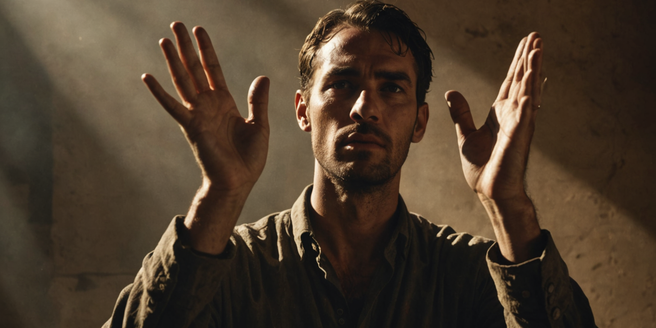
In the Gospel of John, light serves as a profound symbol representing truth, divine presence, and salvation. John begins his narrative by positioning Jesus as the ‘light of men,’ illustrating the transformative hope and revelation brought to humanity. The imagery of light versus darkness underpins the overall theme of spiritual awakening and redemption. Through various passages, John emphasizes how light encapsulates the essence of Jesus’ mission and divinity. For instance, during encounters with individuals such as Nicodemus or the Samaritan woman, the transition from darkness to light signifies understanding and belief. This contrast is further highlighted in the Prologue and throughout the Gospel, portraying light as an ultimate path to embrace divinity and attain eternal life, reflecting John’s theological focus.
Understanding Light as a Metaphor for Divinity
In the Gospel of John, light is not only a physical phenomenon but a profound metaphor for divinity and the presence of God in the world. This metaphorical use of light conveys the purity, truth, and divine wisdom found in Jesus Christ. John’s narrative illustrates how Christ, as the light, reveals the nature of God to humankind, offering a path from ignorance to understanding. The metaphor expands to encompass moral and spiritual illumination, whereby followers of Jesus are guided towards enlightenment and away from sin. The concept echoes throughout John’s gospel, fostering a deep connection between light and divine guidance. Through this lens, John presents an intimate view of how the divine light dispels the darkness of the world, guiding believers towards ultimate salvation and eternal life.
Comparing Light Across the Synoptic Gospels
The concept of light is prevalent in the Synoptic Gospels—Matthew, Mark, and Luke—but is especially highlighted with deeper symbolic overtones in the Gospel of John. In the Synoptic Gospels, light is often associated with Jesus’ teachings, miracles, and parables, notably the Sermon on the Mount where Jesus calls his followers the ‘light of the world.’ Whereas John elevates the metaphor to a theological principle. While the Synoptics focus on the practical aspects of light—guiding the righteous and exposing evil—John presents it as fundamental to Jesus’ identity and mission. Through comparing these accounts, one can see how John develops the metaphor more extensively to emphasize the incarnational nature of Jesus, while the Synoptics relate primarily on discipleship and ethical living.
Light in the Teachings of Jesus According to John
In John’s Gospel, light is central to the teachings of Jesus, portraying an illuminating bridge between humanity and the divine. This Gospel highlights several key teachings where light underlines Jesus’ mission, such as “I am the light of the world” in John 8:12, linking light with guidance, truth, and life. Jesus’ role as light defines his function as a revealer of divine truth and salvation. Throughout his ministry, Jesus uses light as a metaphor to explain spiritual clarity and discernment for his followers, contrasting it with spiritual blindness and ignorance. These teachings stress the necessity of belief in Christ, who as the light offers a path to understanding God’s realm, encouraging believers to step out of darkness. John’s focus on light exemplifies a broader spiritual focus distinct from the more action-oriented Synoptics.
The Role of Light in John’s Narrative Structure
Light plays an integral role in structuring the Gospel of John, providing thematic continuity and depth to the narrative. John strategically uses the imagery of light to frame key events and dialogues, enhancing the reader’s understanding of divine intervention and revelation. The Gospel opens with a powerful prologue that introduces Jesus as the ‘true light,’ setting the stage for a journey from darkness into enlightenment. This narrative use of light assists in illustrating the transition of individuals who encounter Jesus, from disbelief to belief, like the story of the man born blind. These instances of thematic light imagery serve as turning points that reinforce John’s message of spiritual transformation and enlightenment, highlighting the bidirectional relationship with divine truth and guiding readers towards the light of faith and eternal life.