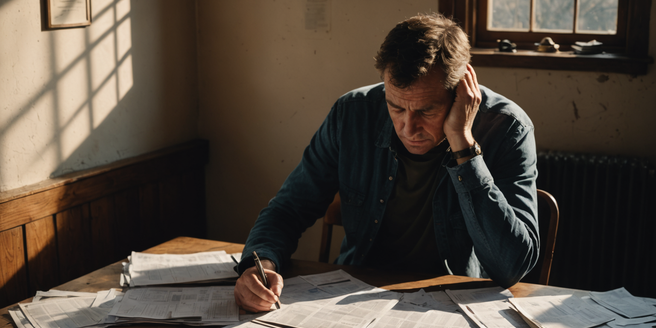
Exploring the Concept of Hidden Truths
The idea of hidden truths often stirs curiosity as it involves uncovering what lies beneath the surface. Cultural narratives, historical records, and personal stories can all contain hidden truths. These truths are pieces of reality that are obscured for various reasons, either intentionally or unintentionally. Exploring them requires a deep dive into sources that may be opaque or cryptic, demanding critical thinking and an investigative spirit. Understanding hidden truths involves peeling back layers of misinformation, context, and perception to reveal what is pivotal, enlightening, or transformative in shaping an individual’s or society’s understanding of a particular matter. This effort may reveal underlying motives, challenge established beliefs, and prompt reflection, fostering a more nuanced appreciation of the complex nature of reality.
The Historical Context of Concealed Facts
Historically, facts have often been concealed to maintain power, control narratives, or protect personal and national interests. Ancient regimes utilized secrecy to strengthen their rule, while the Church and state have shrouded truths to uphold doctrines or secure political dominance. Wars have had their share of hidden facts, with victorious nations writing history to their advantage, often leaving crucial details in the shadows. Such historical concealments have shaped societal values, guided significant decisions, and influenced public perception. Uncovering these facts allows historians to provide a fuller picture of events, enhancing current understanding and learning from past mistakes. Through this process, it becomes evident that the concealment of facts has played a profound role in shaping humanity’s journey, highlighting the necessity to continually question and explore the known narratives.
Psychological Reasons for Withholding Information
Withholding information can often be traced to various psychological reasons. Fear of judgment, rejection, or conflict can lead individuals to conceal truths. The desire to protect oneself or others from perceived harm often motivates individuals to hide or distort information. This psychological defense mechanism can preserve self-esteem or maintain relationships by avoiding uncomfortable truths. Furthermore, withholding information can also serve as a tool of power, giving individuals a perceived advantage in personal or professional interactions. However, this act of concealment can have adverse effects, including feelings of guilt, anxiety, and the erosion of trust once the truth surfaces. Understanding these psychological motivations helps in comprehending human behavior and communication, highlighting the importance of transparency and honesty to foster healthier and more trusting relationships.
Uncovering Hidden Truths in Modern Society
In modern society, uncovering hidden truths is a task undertaken by journalists, activists, and whistleblowers. The digital age has transformed this endeavor, offering new tools for exposing concealed truths. Social media platforms and digital databases provide unprecedented access to information, empowering individuals to question and investigate. Crowdsourcing has become a powerful method for uncovering truths, allowing collaborative efforts to bring hidden facts to light. However, the abundance of data can also lead to misinformation, making discernment crucial. Uncovering truths today requires navigating the complex interplay of truth, bias, and information overload, challenging society to remain vigilant and critical. This ongoing pursuit is essential to uphold accountability, promote justice, and support informed decision-making in the face of complex societal challenges.
The Impact of Revealing Concealed Information
Revealing concealed information can have significant impacts, both positive and negative. On a societal level, uncovering hidden facts can lead to accountability, systemic change, and the promotion of justice. Whistleblowers and investigative journalists often play crucial roles in these revelations, sparking public debate and reform. However, there are potential downsides to revealing such information. Individuals involved may face backlash, legal challenges, or personal risks, and societies might experience turmoil or disruption. Ethically, the decision to reveal concealed information weighs heavily on considerations of public good versus potential harm. The impact is complex, weaving together relief, vindication, and the unsettling consequences of reconfigured narratives, yet it remains a vital component of a transparent and democratic society.