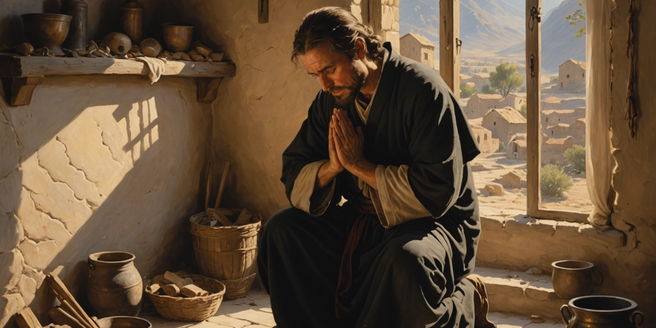
Understanding Hope in the Psalms: An Overview
The Psalms offer a profound journey through both despair and hope, serving as an emotional and spiritual guide. Within these scriptures, hope is depicted as an enduring trust in divine intervention and a heartfelt belief in God’s promises. The Psalmists’ words paint hope as a refuge in times of trouble, a constant throughout the trials of life. One sees hope in declarations of faith, even amid daunting challenges, where the writers lean on past experiences of divine deliverance to fuel their optimism. This assurance provides comfort and encouragement, instilling a sense of resilience. Thus, the Psalms not only articulate a believer’s hope but foster a greater understanding of its significance in a spiritual journey, enabling readers to find solace and strength through their darkest times.
Despair and Its Many Faces in Psalm Texts
Despair within the Psalms manifests in various forms, intricately woven into the fabric of human experience. Capturing deep personal anguish, the Psalmists express feelings akin to drowning, being hunted, or entrapped. These vivid metaphors illustrate the intensity of despair, making it palpable to readers across time. Such expressions do not merely depict an individual’s struggle but reflect communal sorrows, encompassing themes of illness, betrayal, and loss. Throughout these laments, however, an underlying current of hope persists, often in the form of desperate cries for divine intervention. This juxtaposition of despair and aspiration embodies a complex emotional landscape, one that resonates with those who have faced similar trials. By detailing these experiences, the Psalms validate the human condition, providing a space for readers to explore their vulnerabilities while remaining open to hope.
Key Themes of Hope Emerging from Psalms
Hope is a recurring theme that echoes across the Psalms, serving as a testament to enduring faith amid adversity. Central to this theme are the motifs of trust, divine promise, and deliverance. Hope in the Psalms often appears when adversity peaks, showcasing a steadfast faith in eventual salvation and divine justice. The Psalmists employ various images, such as steadfast love and light, to symbolize divine presence and assurance. Additionally, communal hope emerges through calls for collective remembrance of God’s past acts, reinforcing a shared faith. These layered portrayals of hope not only provide comfort but also reinforce the central belief in God’s unfailing presence. The messages embedded within the Psalms continue to resonate with modern readers, offering a timeless source of inspiration and a reminder of the power of faith to sustain through life’s trials.
Exploring Despair Through Metaphors in Psalms
Throughout the Psalms, despair is intricately portrayed through powerful metaphors that capture the depths of human emotion. Expressions of feeling overwhelmed, such as descriptions of raging waters or miry pits, convey a visceral sense of hopelessness. These metaphors not only illustrate personal suffering but also serve as invitations to empathy and understanding. Through these vivid images, the Psalmists articulate the universal struggle of despair, making it relatable across generations. These metaphoric expressions often lead to spiritual reflection and illuminate the complexities of the human condition. The Psalms encourage readers to confront their despair while remaining open to transformation through faith. This approach fosters resilience, emphasizing the possibility of redemption and renewal even in the darkest moments. By exploring despair in this way, the Psalms provide a foundation for faith-based resilience, reinforcing hope as an enduring companion.
The Role of Faith Amid Hope and Despair
In the tapestry of Psalms, faith emerges as a central thread binding hope and despair. The Psalmists’ expressions of trust in God amidst bleak circumstances reveal an unshakable conviction in divine love and wisdom. Through heartfelt prayers and praises, the text underscores how faith does not necessarily eliminate despair but rather coexists with it, transforming it through divine presence. This intertwined relationship offers a profound lesson: faith is not the absence of doubt, but rather its companion. Believers are encouraged to lean into their faith, drawing from it strength and guidance. Whether through remembrance of past grace or anticipation of future deliverance, faith acts as the lens through which hope is viewed, providing clarity and purpose. Thus, amidst the oscillating experiences detailed in the Psalms, faith stands resolute, guiding believers through emotional ebbs towards renewal.
Psalms That Transition from Darkness to Light
Several Psalms exemplify a profound shift from darkness to light, capturing the transformative journey from despair to hope. These texts often begin with raw expressions of anguish, as Psalmists lay bare their souls, confronting a seemingly desolate existence. However, as the narrative unfolds, a pivot occurs—ushering in light through recollection of God’s faithfulness or newfound understanding. This transition is marked by a renewed sense of purpose and an uplifting shift in tone, demonstrating how divine presence cultivates resilience. By portraying this transformation, the Psalms underscore the cyclical nature of human emotions, offering solace in the continuity of hope amid despair. This enduring message transcends temporal boundaries, providing encouragement to modern readers to embrace hope and faith, trusting in a gradual return to light, no matter how enveloping the initial darkness might appear.
Analyzing Hope and Despair in David’s Psalms
The Psalms attributed to David provide a deeply personal narrative of hope interwoven with despair, painting a portrait of a man deeply attuned to the spiritual and emotional ebbs and flows of life. Through his laments and praises, David exemplifies the human struggle, revealing that despair and hope often coexist. His words reflect moments of profound vulnerability, where he cries out in desperation, yet they simultaneously express an unwavering trust in divine deliverance. This juxtaposition invites readers to reflect on their dual experiences of despair and faith. David’s Psalms illustrate a journey of transformation, where moments of doubt are framed within a larger narrative of hope. His introspections serve as a guide for those grappling with similar challenges, reminding them of the solace found in faith and the promise of renewal even in the midst of uncertainty.
The Emotional Journey: From Despair to Hope
The Psalms encapsulate an emotional journey that traverses despair to hope, reflecting the human capacity for resilience and renewal. These sacred texts often start with the rawness of despair, wherein the Psalmists express feelings of isolation and suffering. Yet, amid this darkness, seeds of hope are sown through recollections of divine intervention and promises. The Psalmists articulate a progression—by embracing vulnerability and seeking divine presence, they transition from desolation toward hope. This transformation is not linear but rather cyclical, acknowledging setbacks and fostering a deeper faith. By detailing this journey, the Psalms offer readers a template for navigating their struggles, demonstrating how hope emerges not as a sudden revelation but as a gradual realization fostered through faith and perseverance. This enduring theme emphasizes that though despair is part of the human experience, it is never the conclusion of the story.
Applications of Psalmic Hope in Modern Life
The enduring messages of hope in the Psalms continue to hold profound relevance in modern life, offering solace and encouragement amid contemporary challenges. As individuals navigate personal adversities or global uncertainties, the Psalms remind us of the constancy of divine presence. By reflecting on the Psalmists’ expressions of hope and trust, modern readers are inspired to adopt a perspective that transcends their immediate circumstances. This shift in mindset, grounded in faith, fosters resilience and a deeper sense of community as individuals draw strength from shared narratives of hope. The Psalms offer an invitation to incorporate spiritual reflection into daily life, advocating for a hope that adapts and flourishes amid changing times. This hope is not passive but active, encouraging individuals to engage with their struggles constructively, find meaning, and contribute positively to their communities.