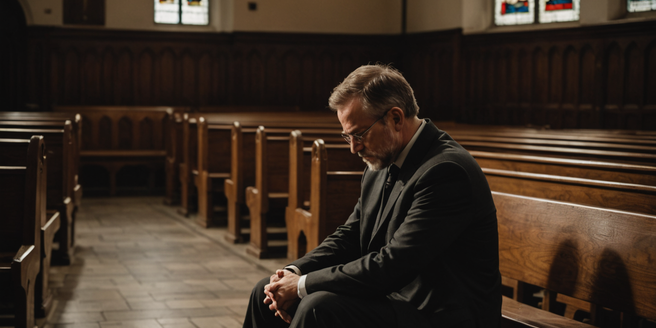
The Rise of Progressive Theological Voices
Contemporary Christian authors are fundamentally reshaping theological discourse by embracing progressive perspectives that challenge traditional interpretations. These voices prioritize contextual understanding and cultural relevance, acknowledging that faith must evolve with society. Progressive theologians examine biblical texts through historical-critical lenses, recognizing human authorship and cultural limitations. They advocate for inclusive theology that welcomes marginalized communities and questions hierarchical structures within churches. Authors like William Barber II and Rachel Held Evans have catalyzed conversations about faith’s relationship to social issues. This movement represents a significant departure from dogmatic approaches, instead fostering dialogue and intellectual honesty. Progressive voices argue that rigidity alienates younger generations seeking authenticity and social responsibility. By questioning inherited assumptions, these authors create space for believers to integrate modern knowledge with spiritual practice, ultimately strengthening faith communities through transparency and compassionate engagement.
Deconstructing Traditional Doctrine in the 21st Century
Modern Christian authors increasingly examine traditional doctrines with scholarly rigor and intellectual transparency. Deconstruction involves analyzing theological claims historically and contextually rather than accepting them as immutable truths. Contemporary writers explore how doctrines developed through specific cultural moments and power dynamics. This process doesn’t necessarily reject faith but encourages believers to understand theology’s evolution. Authors examine concepts like substitutionary atonement, biblical inerrancy, and complementarianism through fresh perspectives. This critical approach resonates with educated believers who appreciate nuanced understanding. Deconstruction acknowledges that doctrine served communities historically while questioning whether outdated frameworks serve contemporary faith communities. Authors like Peter Enns and Bart Ehrman demonstrate how scholarly investigation strengthens rather than weakens spirituality. By deconstructing doctrines, contemporary theologians create pathways for believers struggling with inherited beliefs that conflict with modern knowledge and values.
How Digital Platforms Are Democratizing Theological Discourse
Digital platforms fundamentally transform how theological conversations occur, removing gatekeeping barriers previously controlled by institutions. Social media, podcasts, and blogs enable theologians to reach global audiences without traditional publishing constraints. Contemporary Christian authors bypass denominational filters, directly engaging readers through accessible digital channels. This democratization means diverse theological perspectives gain visibility previously reserved for institutional voices. Online communities facilitate real-time dialogue about faith questions, creating collaborative rather than hierarchical learning environments. Authors can respond immediately to cultural moments and emerging concerns. Digital platforms allow marginalized theologians to amplify their voices without institutional approval. Podcasts featuring theological discussions attract millions of listeners seeking authentic spiritual exploration. Blogs enable long-form theological reflection accessible to general audiences. Digital democratization challenges monolithic religious narratives, fostering pluralistic understanding. However, this accessibility also creates challenges regarding misinformation and theological accountability, requiring discernment about sources and expertise.
Women Leaders Challenging Patriarchal Interpretations
Female Christian authors courageously challenge centuries of patriarchal theological interpretation, offering liberating biblical perspectives. Women theologians examine how patriarchal assumptions shaped scriptural translation and application, revealing overlooked feminine divine imagery and women’s leadership. Authors like Wilda Gafney and Erin Runions provide grammatical and contextual analysis exposing mistranslations supporting male dominance. These scholars recover women prophets, leaders, and theologians obscured by patriarchal frameworks. Contemporary women writers address complementarian arguments systematically, demonstrating egalitarian biblical foundations. They explore how patriarchy distorts theology and perpetuates harm within churches. Female-led theological spaces model inclusive leadership reflecting divine nature more fully. Women authors ground their work in scholarship and spiritual experience, articulating how liberation theology applies specifically to gender justice. Their voices challenge congregations to examine inherited assumptions about women’s roles. By recovering womens theological contributions and reinterpreting scriptures inclusively, female authors reshape Christianity toward justice.
Faith and Social Justice: New Theological Frameworks
Contemporary Christian authors integrate faith and social justice into comprehensive theological frameworks recognizing God’s preferential option for the oppressed. This approach challenges prosperity gospel narratives and apolitical spirituality, insisting faith demands justice engagement. Modern theologians ground social justice in biblical liberation theology, connecting ancient texts to contemporary struggles. Authors examine systemic oppression through theological lenses, articulating how inequality contradicts Christian principles. They develop frameworks addressing racism, poverty, environmental destruction, and gender-based violence as theological concerns. Figures like William J. Barber II demonstrate how faith motivates prophetic activism. These authors reject false dichotomies between personal conversion and structural transformation. They argue authentic discipleship requires addressing injustice systemically. Social justice theology energizes faith communities toward concrete action benefiting marginalized populations. This framework appeals to younger believers seeking meaningful spiritual practice addressing actual suffering. By integrating justice into theology rather than treating it peripherally, contemporary authors revitalize Christian witness.
Bridging Science and Spirituality in Contemporary Thought
Contemporary Christian authors successfully bridge apparent divides between scientific understanding and spiritual practice, rejecting false dichotomies. These theologians embrace evolutionary science, quantum physics, and neuroscience while maintaining robust faith frameworks. Authors like Francis Collins demonstrate that rigorous scientific thinking and Christian commitment complement rather than contradict each other. Modern theology incorporates discoveries about universe origins, consciousness, and interconnectedness into spiritual understanding. Christian writers address environmental crisis through theology grounded in scientific reality about climate change. They explore how neuroscience illuminates contemplative practice and spiritual experience. Authors examine how Darwin’s work enriches rather than threatens theological anthropology. This integrated approach appeals to educated believers weary of antagonistic science-faith rhetoric. Contemporary theologians model intellectual honesty that strengthens faith credibility. By demonstrating science and spirituality as compatible perspectives on reality, these authors create space for believers embracing both rigorous thinking and spiritual depth.
Interfaith Dialogue and Evolving Christian Identity
Modern Christian authors reshape Christian identity through meaningful interfaith engagement, recognizing wisdom in diverse religious traditions. Rather than defensive tribalism, contemporary theologians approach interfaith dialogue as spiritual enrichment. Authors explore Christian theology in conversation with Buddhism, Judaism, Islam, and indigenous spiritualities. This openness reflects conviction that God works across religious boundaries and truth appears multifaceted. Contemporary writers examine Christianity’s complicity in religious violence while advocating reconciliation. Interfaith engagement challenges exclusive salvation claims many Christians inherited, fostering humility about theological certainty. Authors demonstrate how dialogue deepens Christian understanding without compromising conviction. They address legitimate concerns about syncretism while arguing healthy boundaries and openness coexist. Interfaith work connects Christian social justice commitments with other traditions sharing similar values. Contemporary theologians model respectful engagement across difference. By embracing interfaith dialogue, Christian authors contribute toward peaceful coexistence while enriching their own spiritual traditions.
The Impact of Personal Memoir in Modern Christian Writing
Contemporary Christian authors increasingly employ personal memoir as theological method, validating lived experience as authoritative knowledge source. Rather than abstract doctrine, modern writers ground theology in concrete stories of faith, doubt, and transformation. Memoir-based theology acknowledges that understanding emerges through particular embodied experiences rather than universal principles alone. Authors like Rachel Held Evans and Glennon Doyle demonstrate how vulnerability invites reader identification and trust. Personal narrative theology honors diverse faith journeys while resisting prescriptive orthodoxy. Memoir creates space for doubts, struggles, and evolving beliefs, normalizing spiritual complexity. Contemporary writers explore how identity intersections shape theology, incorporating race, gender, sexuality, and trauma into spiritual narratives. Memoir-based approaches build authentic community through shared vulnerability rather than performance. This method challenges sanitized religious communication, offering honest reflection on faith struggles. By centering personal memoir, contemporary Christian authors demonstrate that theology emerges from lived experience.
Emerging Voices: The Next Generation of Theological Innovation
Emerging Christian theologians represent the next generation reshaping faith through innovation grounded in contemporary realities. Young authors address climate crisis, systemic racism, economic injustice, and technological disruption as primary theological concerns. They bring diverse identities—BIPOC, LGBTQ+, immigrant, disabled—centering previously marginalized perspectives. Next-generation theologians demonstrate technological fluency, utilizing podcasts, YouTube, and digital platforms effectively. They prioritize praxis over theory, connecting theological reflection to concrete activism. Young authors question inherited institutional structures, imagining alternative faith communities reflecting their values. They bring urgency to addressing existential threats previous generations postponed. Contemporary youth theologians integrate psychology, sociology, and critical theory into theological work. They maintain spiritual depth while embracing intellectual rigor and cultural analysis. This emerging generation promises Christianity transformed by those closest to future consequences of present choices. Their innovation suggests theology’s ongoing evolution as new generations engage faith authentically.