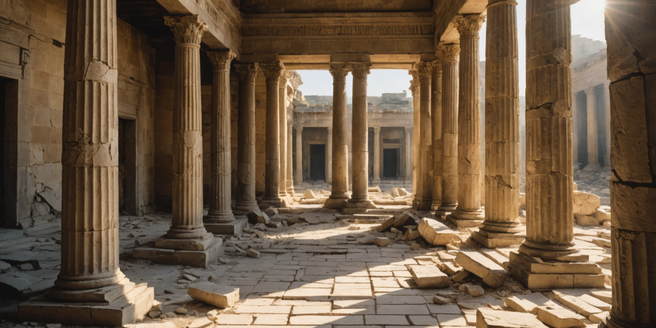
The Origins of Demonic Beings in Hell
The birth of demonic entities in Hell is a topic wrapped in mystique, often intertwined with ancient myths and spiritual beliefs. Many legends suggest that demons originated from fallen angels, cast out from divine grace after a celestial rebellion. This transformation from celestial beings to harbingers of chaos symbolizes their departure from sanctuary to inhabiting the infernal depths. Over centuries, the concept of demons has evolved, merging with folklore from various cultures, each adding layers to their origin stories. In some traditions, demons are seen as primordial spirits, elemental to the very fabric of Hell, predating humanity itself. This rich tapestry of narratives illustrates the complexity and adaptability of the notion of demons, reflecting humanity’s attempt to comprehend the darker aspects of spiritual existence.
Hierarchy and Structure Among Demons
The demonic hierarchy within Hell is a well-defined structure, akin to a macabre bureaucracy. At the apex are the infamous demon lords, each ruling specific domains with iron claws. Beneath them are archdemons and lesser demons, each bestowed with responsibilities and territories to govern. This structure is not merely arbitrary; it ensures a semblance of order amidst the chaos. Such hierarchy is inspired by ancient texts and modeled after celestial hierarchies inverted to signify their opposition. These rankings influence the power dynamics, with lower-ranked demons striving to ascend through deeds of notoriety. This pursuit reflects the corruption and ambition inherent in Hell’s denizens. The existence of a structured hierarchy highlights the intricate social order imposed to reign over the chaos that Hell embodies.
Roles and Responsibilities in the Underworld
In Hell, roles among demon kind are as diverse as they are sinister. Each demon is assigned tasks that perpetuate the torment and suffering inherent to their realm. Some demons are tasked with torturing human souls, executing punishments that reflect the sins of the damned. Others oversee the management of resources and recruitment of new souls into Hell’s tormenting fold. The responsibilities once enviable or mundane in the world above become distorted into grotesque parodies within the infernal realm. In more organized sections, demons may even serve as envoys or negotiators, maintaining the macabre status quo. These roles symbolize not only the perpetuation of punishment but also the maintenance of Hell’s dark ecosystem, ensuring that no soul is left unmarked by their touch.
Interactions Between Demons and Human Souls
Demons, as custodians of the damned, conduct constant interactions with human souls. These interactions range from the administration of fiendish tortures to psychological manipulation. Demons exploit the fears and regrets of souls to intensify their torment, often creating personalized nightmares forever etched into the ethereal fabric of Hell. However, not all interactions are purely punitive. Some demons serve as tempters, engaging in a twisted relationship where they attempt to corrupt the souls further, perhaps as a method for earning status or favor in Hell’s hierarchy. In rare instances, pacts or bargains are made, where human souls may seek to lessen their damnation through servitude or other exchanges. These interactions underscore the manipulative and relentless nature of demonic existence and their role in the afterlife.
Cultural Depictions and Interpretations
Across cultures, demons have been depicted and interpreted in myriad ways, reflecting diverse beliefs and societal values. In Western traditions, demons are often viewed as evil entities, embodiments of sin and moral corruption. In contrast, some Eastern philosophies acknowledge demonic figures as necessary forces that uphold cosmic balance. Art and literature have further cemented these portrayals, often casting demons in roles that symbolize humanity’s inner struggles. Gothic and dark art movements, as well as modern media, continue to portray demons in captivating yet terrifying forms, reflecting society’s perpetual fascination with the macabre. These cultural depictions provide insight into how humanity perceives evil and morality, ultimately reflecting our understanding of the spiritual and the tangible worlds.
The Impact of Demonic Presence on Hell’s Environment
Demonic presence profoundly influences Hell’s environment, transforming it into a landscape of dread and despair. The inexplicable energies emitted by demons warp the very fabric of Hell, ensuring that it remains a realm inhospitable to peace or redemption. The oppressive atmosphere serves as a reflection of the malevolence that demons embody, creating an ever-changing hellscape tailored to the torments housed within. Ethereal fires burn with a cold that sears the soul, while the landscape twists into grotesque forms that echo the anguish of the damned. This environmental impact is both a manifestation of the demons’ essence and a tool of their torment. By distorting Hell’s environment, demons ensure that even the land itself becomes an active participant in the ceaseless suffering of its inhabitants.