The Role of Music in Enhancing Worship
Music has always played a vital role in enhancing worship experiences, offering congregants a pathway to deeper spiritual engagement. In many churches, music serves as a conduit for expressing devotion, facilitating a communal sense of connection. Whether through the harmonious blend of voices or the resonant chords of an organ, music possesses a unique ability to move and inspire. Traditional hymns often reflect theological themes, while contemporary songs bring modern issues to the forefront, yet both aim to enhance worship. Music anchors the service, providing moments of reflection and contemplation, as well as opportunities for joyous celebration. Instruments support and elevate singing, adding depth and dynamism to the overall worship experience. Thus, the role of music in worship is not merely decorative but pivotal—transforming ordinary moments into holy encounters.
Traditional Instruments and Their Impact
Traditional instruments such as the organ, piano, and harp have long been staples in church worship, offering rich historical sounds that evoke a sense of reverence and continuity. Their impact extends beyond auditory pleasure, creating an atmosphere that is both contemplative and uplifting. The organ, with its imposing presence and wide range of tones, commands attention and lends gravity to prayers and hymns. Similarly, pianos offer versatility, supporting both solemn and celebratory tunes. The skilled musicians who play these instruments are crucial in bringing their full potential to life. Harps bring a softer, ethereal quality, often used in reflective moments. These instruments are deeply rooted in church tradition, contributing to a sense of identity and spiritual heritage through their timeless melodies and harmonies.
Modern Instruments in Contemporary Services
With the rise of contemporary worship services, modern instruments like electric guitars, keyboards, and drum kits have been introduced, bringing a fresh sound to church music. These instruments reflect evolving musical tastes and cultural shifts, appealing particularly to younger congregations. Electric guitars add vibrancy and intensity, delivering dynamic praise settings, while keyboards offer diverse synth and digital sounds enhancing overall worship expression. As a result, many churches have experienced a noticeable increase in attendance and participation. Drum kits provide a rhythmic foundation, energizing the service and encouraging engagement from the congregation. Embracing these instruments allows churches to remain relevant and inclusive, broadening their appeal and fostering a welcoming environment for newcomers and regular members alike.
Balancing Acoustics for a Harmonious Sound
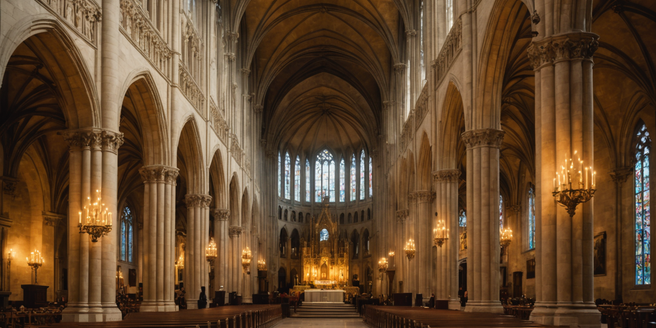
Achieving a harmonious sound in church settings requires careful balancing of acoustics, ensuring that all instruments and vocals can be heard clearly without overpowering each other. Architectural design and sound systems play crucial roles in achieving this balance. High ceilings and wooden pews may enhance acoustics, while modern soundboards and microphones offer precision in volume control. Attention to detail in the installation and positioning of speakers can further improve sound dispersion throughout the space. Working with sound engineers can help calibrate the auditory experience, so each instrument finds its rightful place within the musical framework. The aim is to create an immersive, enveloping sound that aids worshippers in focusing on their spiritual journey without distractions, ensuring a fulfilling worship experience.
Incorporating Instruments in Different Genres
Incorporating instruments across various genres broadens the scope of church music, inviting creativity and innovation into worship services. By blending traditional hymns with gospel, jazz, or rock elements, churches can cater to diverse musical tastes within their congregations. Brass sections can add vibrancy to gospel tunes, while violins lend emotion to folk-inspired pieces. The introduction of contemporary instruments, such as electric guitars or synthesizers, can further modernize the soundscape. Experimentation with genre fusion not only makes services more engaging but also showcases the versatility of worship music, illustrating its ability to transcend cultural and musical boundaries. This approach also fosters inclusivity, allowing worshippers to connect with God through a shared appreciation of diverse musical forms.