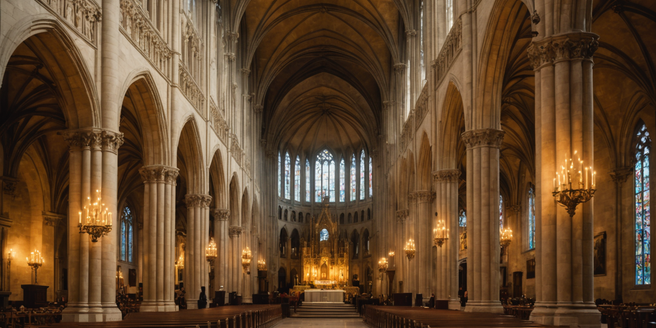
Reimagining Traditional Rituals
Reimagining traditional rituals involves integrating contemporary elements that resonate with modern congregations while respecting the essence of sacred practices. By adapting rituals to include modern language, music, and participation styles, communities can engage more meaningfully. This approach encourages inclusiveness, making rituals accessible and relatable. The use of technology, such as live streaming services, can further extend the reach and involvement of individuals who are unable to attend in person. Using visual aids or storytelling can enhance understanding and emotional connection. It’s about creating experiences that are dynamic, allowing worshipers to feel the depth of tradition while finding personal relevance. The balance of honoring the past and embracing the present fosters a richer spiritual journey.
Incorporating Technology in Worship
Incorporating technology in worship can transform the experience, making it more accessible and engaging. Digital screens enhance visual storytelling, while live streaming services reach distant congregants. Interactive apps might offer hymnals or real-time translations, accommodating diverse languages. Technology enables innovative forms of worship through virtual reality or augmented reality, offering immersive experiences. With these advancements, worship leaders can tailor services to meet the needs of their diverse congregations more effectively. Moreover, social media provides platforms for community building and discussion beyond physical gatherings. Embracing technology invites younger generations into worship, providing familiar channels to explore spirituality while enhancing traditional services for all.
Fostering Community Through Creative Practices
Creative practices foster community by encouraging unique expressions of faith that resonate with diverse members. Collaborative art projects, drama, and music workshops invite individuals to explore spirituality through their talents. Hosting open mic nights for sharing poems, stories, or songs can break barriers, welcoming different voices and experiences. Creative worship spaces, filled with art or symbolic installations, provoke reflection and conversation. These environments offer a platform for both personal and collective growth. These practices build connections, empathy, and understanding, creating a sense of belonging. By valuing and incorporating community contributions, worship becomes a shared journey towards deeper spiritual engagement.
Embracing Diversity in Worship Styles
Embracing diversity in worship styles invites an array of cultural traditions, enriching the spiritual tapestry. By incorporating music, prayers, and rituals from different cultures, worship services reflect global interconnectedness and respect for all traditions. This inclusivity encourages congregants to experience varied expressions of faith, broadening understanding and appreciation. Additionally, it opens up opportunities for intercultural dialogue and learning. It also allows individuals to connect with their heritage, fostering personal spiritual growth. Embracing diverse worship styles bridges gaps, promoting unity and solidarity. As diverse voices harmonize in worship, communities reflect the beauty and complexity of our shared humanity.
Engaging Younger Generations
Engaging younger generations in worship requires blending tradition with relevant, contemporary approaches. This demographic values authenticity, creativity, and inclusivity, calling for services that speak to their spiritual and social interests. Incorporating modern music styles, multimedia elements, and interactive formats can capture their attention. Addressing topics of importance, like social justice, in a faith context resonates deeply. Encouraging youth leadership within the congregation fosters ownership and commitment. Recognizing their need for community and belonging is essential in sustaining their involvement. By creating an environment where their ideas are valued and integrated, younger generations find purpose and connection in collective worship experiences.
Sustainability and Ethical Practices in Worship
Sustainability and ethical practices in worship extend a commitment to stewardship beyond the spiritual into everyday actions. This involves using eco-friendly materials and reducing waste in church operations and events. Many congregations are shifting towards green energy solutions, demonstrating care for creation as an aspect of faith. Ethical practices, such as fair-trade and locally-sourced supplies, align spiritual values with economic choices. Worship can incorporate themes of environmental justice and stewardship, inviting congregants to consider their role in creation care. These discussions often lead to actionable steps that the community can take together. By modeling sustainability, faith communities inspire broader societal change.