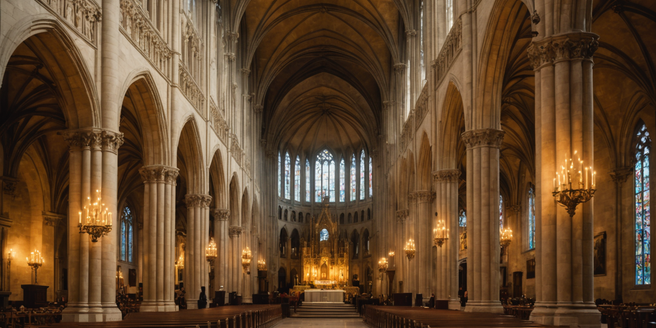
Understanding the Concept of Healing Miracles
Healing miracles have captivated human imagination for centuries and are often seen as divine interventions that defy natural explanations. These events are considered miraculous as they involve sudden or unexplainable recoveries from illness or mishap, often attributed to a higher power. In religious contexts, miracles are viewed as signs of divine compassion and intervention. In other settings, they signify hope and resilience against overwhelming odds. Understanding healing miracles involves exploring the boundaries of faith, medical science, and the human spirit. While science seeks to investigate the causes behind these extraordinary events, believers view them as reaffirmations of their faith. Healing miracles, thus, occupy a unique space where spiritual belief and empirical curiosity coexist, promoting discourse on the potential limits of human understanding and the mysteries that lay beyond.
Historical Accounts of Miraculous Healings
Throughout history, countless narratives recount phenomenal healing events, often changing the course of individual lives and communities. Ancient texts, from religious scriptures to early medical records, document miraculous healings, providing insights into how societies interpreted these occurrences. For example, the miracles of Jesus, such as restoring sight to the blind and curing lepers, are foundational accounts within Christianity, inspiring countless followers over millennia. Similarly, figures like Asclepius in Greek mythology were revered for their divine healing powers. Such historical accounts not only highlight the intersection of faith and healing but also demonstrate the historical continuity in the human quest for health and wholeness. They remind us of a time when the boundaries between the natural and supernatural were fluid, and healing was as much about divine grace as it was about medicinal knowledge.
Scientific Perspectives on Healing Miracles
From a scientific standpoint, healing miracles are often viewed with skepticism, yet some researchers seek to understand the mechanisms behind these occurrences. Scientific inquiry into miracles generally focuses on anecdotal evidence or recorded cases of spontaneous remission, where patients recover from illnesses that are deemed terminal or incurable. Some hypotheses suggest that psychological factors, such as belief and optimism, could play a significant role in the healing process, potentially triggering physiological changes. Additionally, the placebo effect demonstrates how belief can influence health outcomes, hinting at the complex interplay between mind and body. While scientific perspectives attempt to provide explanations, they also respect the limits of current knowledge, acknowledging that not all healing phenomena are easily understood. This ongoing investigation into healing miracles reflects a broader quest to bridge faith and empirical science.
Cultural Significance of Miracles Across the World
Miracles hold profound cultural significance, varying tremendously across different societies and religions. In many cultures, miracles serve as foundational stories that underpin spiritual beliefs and communal practices. For instance, in Hinduism, miraculous events are often linked to divine figures like Krishna, symbolizing virtues and moral teachings. Similarly, indigenous cultures might interpret natural occurrences, such as healing through shamans, as miracles mediated by ancestral spirits. These diverse interpretations influence how communities understand health, illness, and healing, shaping their collective worldview. Miracles also often serve as unifying forces, providing shared narratives that bind communities in common values and hopes. By transcending the ordinary and inviting individuals to imagine the extraordinary, miracles across cultures highlight universal themes of faith, hope, and the perpetual quest for meaning and connection.
Personal Stories of Transformation Through Healing
Personal accounts of miraculous healing can provide profound insights into individual transformations. These stories often recount sudden recoveries from critical illnesses or life-altering conditions, leaving indelible impressions on the individuals and their communities. Such experiences frequently result in a deepened sense of spirituality or faith, as survivors attribute their recovery to divine intervention or a higher purpose. Moreover, these narratives provide inspiration and hope, illustrating the possibility of extraordinary outcomes against overwhelming odds. The sharing of personal healing stories can foster community support and reinforce beliefs in the miraculous. They also challenge conventional medical narratives, opening up discussions about the limits of medical understanding. By examining personal accounts of healing miracles, we gain a richer perspective on the resilience of the human spirit and the transformative power of hope and faith.
Future Implications of Miraculous Healings in Modern Medicine
As modern medicine advances, the notion of miraculous healings continues to intrigue both healthcare professionals and the general public. With ongoing research into holistic therapies and integrative medicine, the understanding of what constitutes a ‘miraculous healing’ may evolve. Advances in medical technologies, such as personalized medicine and regenerative therapies, could expand the boundaries of what is scientifically possible, blurring the line between miracle and science. Furthermore, acknowledging the mind-body connection and the role of mental well-being in physical health could redefine healing paradigms. The integration of patient narratives emphasizing miraculous recoveries into medical practice might provide valuable insights, potentially leading to innovative approaches in patient care. The future of miraculous healings in modern medicine lies in an interdisciplinary exploration, embracing both scientific advancements and the enduring mysteries surrounding human healing.