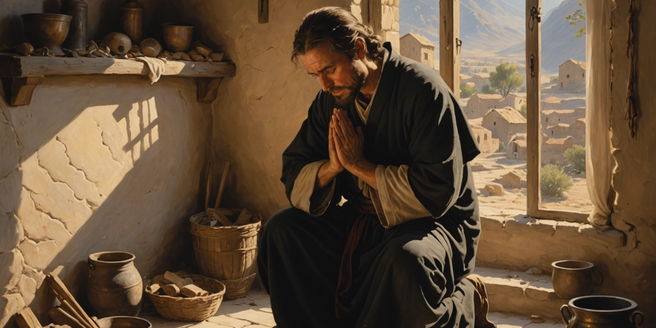
Historical Context of The Lord’s Prayer in Worship
The Lord’s Prayer, a central piece of Christian liturgical tradition, has deep historical roots dating back to the Gospels in the New Testament. It is traditionally attributed to Jesus Christ, who taught it to his disciples as a model of how to pray. Over centuries, it has been an essential component of Christian worship, incorporated in various services globally. The prayer’s historical context emphasizes its role as a unifying element across diverse Christian traditions. As liturgical practices evolved, The Lord’s Prayer adapted to different languages and cultural expressions, maintaining its prominence in worship services, ceremonies, and personal devotion. Its historical significance also lies in its consistent presence, ensuring that worshipers, regardless of era or denomination, connect with a foundational element of Christian spirituality.
Theological Significance and Interpretations
The Lord’s Prayer, regarded as a perfect model of prayer, is rich in theological significance. Each of its components reflects elements of faith, surrender, and divine relationship. The opening addresses God as ‘Our Father,’ signifying intimacy and communal identity among believers. The subsequent petitions encapsulate the essence of divine will, provision, forgiveness, and deliverance. Theologically, it embodies a call to align oneself with God’s will and reflects an eschatological hope for God’s kingdom. Various interpretations have emerged, focusing on its call for forgiveness, reliance on God for daily needs, and its plea for protection from evil. These interpretations continue to resonate across theological discourses, emphasizing the prayer’s capacity to convey deep spiritual truths. Its brevity yet profound depth invites ongoing reflection and scholarly exploration within Christian theology.
Variations Across Christian Denominations
Across Christian denominations, The Lord’s Prayer exhibits slight variations that reflect theological and liturgical preferences. For example, the Roman Catholic Church includes the doxology-richer version, while Protestant variations may omit it during communal worship. Eastern Orthodox Churches often use a version closer to the original Greek texts, emphasizing its liturgical heritage. Denominations such as Anglican and Lutheran traditions maintain versions that reflect their doctrinal nuances. Furthermore, ecumenical translations attempt to bridge differences, creating a version recognizable and meaningful across communities. These variations, while subtle, highlight the adaptability of The Lord’s Prayer within different liturgical contexts. Despite these differences, the core essence remains intact, allowing different Christian communities to express their unity in prayer through a shared tradition. The variations symbolize the theological diversity within Christianity while retaining the prayer’s central role.
The Role of The Lord’s Prayer in Modern Liturgy
In modern liturgy, The Lord’s Prayer serves as a vital ritual component, symbolizing unity and collective communication with the divine. Its inclusion in various liturgical services, from daily masses to special occasions, underscores its enduring relevance. Congregations recite it as a form of communal worship, emphasizing the shared faith journey and common petitions before God. It seamlessly integrates into contemporary liturgical expressions, including digital and online formats, reflecting adaptability to modern worship practices. The prayer’s repetitive and meditative nature offers congregants a moment of reflection and spiritual connection during services. Modern interpretations often explore its relevance to personal and communal spirituality, ensuring its message resonates with contemporary believers. The Lord’s Prayer remains a focal point in bridging traditional liturgical practices with modern expressions of faith.
The Lord’s Prayer in Ecumenical and Interfaith Settings
The Lord’s Prayer finds a unique place in ecumenical and interfaith settings as a bridge of shared spirituality. In ecumenical dialogues, it represents a common thread among Christian denominations, fostering unity and mutual understanding. The prayer’s universal themes of justice, peace, and divine reliance resonate beyond Christianity, allowing for its inclusion in interfaith gatherings as a gesture of inclusivity. Leaders from different faith traditions often use it as a point of reflection, emphasizing shared values and collective aspirations for a harmonious world. Its simple yet profound petitions transcend denominational lines, making it a valuable tool for promoting dialogue and solidarity. In interfaith services, The Lord’s Prayer can serve to remind participants of common spiritual goals and offer a platform for peaceful co-existence while respecting theological differences.