Historical Perspectives on Light in Christianity
Throughout history, light has been a potent symbol within Christianity, representing divine presence, understanding, and salvation. Early Christians adopted this symbol from both Jewish traditions and neighboring cultures, where light was synonymous with divinity and purity. The New Testament is replete with references to light, often ascribing it to the presence of Christ. This period saw light being used as a metaphor for hope and resurrection, reflecting the transformative power of faith. Illuminated manuscripts from the medieval era further demonstrate a meticulous intertwining of light and textual expression. Artists and theologians alike have been captivated by its symbolic resonance. As societies evolved, the Church continued to use light in liturgy, ceremonies, and art, reinforcing its deep-rooted spiritual symbolism. Such historical perspectives underscore light’s role in theological discourse and its enduring influence on Christian traditions.
Light as a Symbol of Divinity
Light as a symbol of divinity in Christianity is profoundly rooted in the belief that God illuminates and purifies the soul. Light is often associated with God’s presence, embodying wisdom, grace, and truth. This symbolism is vividly captured in the imagery of Jesus as the ‘Light of the World’, guiding believers towards righteousness. Biblical narratives frequently depict divine encounters accompanied by a radiant light, signifying spiritual awakening and divine intervention. Over the centuries, Christian theology has maintained that light signifies God’s inherent nature and His interaction with humanity. Churches, through stained glass windows and candlelit rituals, aim to create an atmosphere of divine illumination during worship. Thus, the symbol of light remains central to portraying the ineffable and mysterious aspects of the divine within Christian belief.
Scriptural References to Light
Scriptural references to light in Christianity are abundant, with significant theological implications. The Bible often uses light to convey God’s presence, guidance, and purity. The Book of Genesis begins with God commanding ‘Let there be light’, signifying creation and divine order. In the Psalms, light is a metaphor for understanding and salvation, while the prophets frequently employ it to depict future hope and redemption. In the New Testament, Christ is identified as the ‘true light’, bringing spiritual enlightenment. Such references have profoundly influenced Christian thought and practice, shaping worship and doctrine. The symbolism of light in scripture is not just metaphorical but serves as a tangible representation of the divine truth and life. Believers are encouraged to ‘walk in the light’, embracing the path of righteousness set by faith.
Light in Christian Rituals and Ceremonies
Light plays a pivotal role in Christian rituals and ceremonies, representing the divine presence and guiding the faithful. Candles are ubiquitously used in services, symbolizing Jesus as the ‘Light of the World’. During significant events like baptisms and ordinations, light symbolizes purification and the illumination of God’s path. The Easter Vigil, one of the most solemn liturgies, prominently features the lighting of the Paschal candle, symbolizing Christ’s resurrection. Stained glass windows carefully crafted to depict Biblical scenes also manipulate light to inspire awe and reflection among congregants. Throughout history, these rituals have adapted, but the symbolism of light as a conduit for spiritual truth remains unchanged. By engaging with light in worship, believers are continually reminded of the divine guidance that illuminates their spiritual journey.
Metaphorical Interpretations of Light
The metaphorical interpretations of light in Christianity are rich with symbolic significance, illustrating concepts of truth, purity, and salvation. Light often serves as a guide, leading the faithful towards understanding and divine wisdom. This metaphor extends to personal transformation, where believers are called to ‘reflect the light of Christ’, signifying moral clarity and integrity. The contrast between light and darkness encapsulates the struggle between good and evil, depicting the spiritual journey of overcoming sin. In sermons and teachings, light is frequently used to inspire hope, resilience, and the promise of redemption. Such metaphors resonate with the individual’s quest for spiritual enlightenment and alignment with divine will. Thus, light as a metaphor remains a fundamental expression of faith, facilitating a deeper understanding of Christian principles across generations.
Artistic Representations of Light in Churches
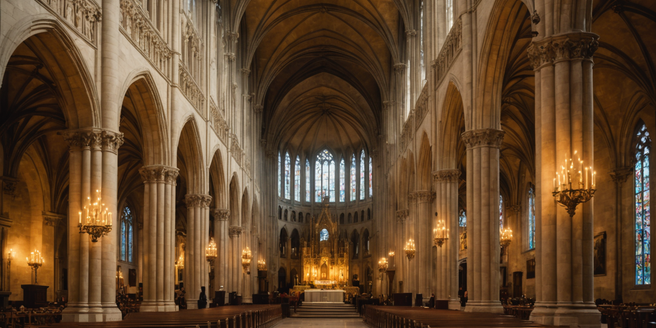
Artistic representations of light in churches are both awe-inspiring and deeply symbolic, enhancing the spiritual atmosphere within sacred spaces. Stained glass windows are one of the most prominent examples, using vibrant colors and intricate designs to illustrate Biblical stories. These windows transform ordinary sunlight into a divine illumination within the church, facilitating meditation and reflection. Frescoes and mosaics often incorporate light to emphasize divine presence and narration, drawing the worshipper’s eye towards scenes of spiritual significance. Candles and altar lighting are strategically used to create an ambiance of reverence and tranquility. Such artistic elements are not merely decorative but are integral to conveying theological messages, encouraging contemplation, and fostering a connection with the divine. Through these visual symphonies of light, churches continue to inspire awe and deepen the worship experience.
Theological Implications of Light
The theological implications of light in Christianity are profound, manifesting in doctrines, liturgy, and spiritual discourse. Light is often equated with God’s purity, wisdom, and omnipresence, serving as a metaphor for divine truth and life. The Johannine theology, notably, emphasizes the identification of Christ with light, reflecting themes of redemption and eternal life. Throughout Christian teachings, light is seen as a guide, leading believers towards divine truth and moral discernment. The interplay between light and darkness in scripture underscores the cosmic struggle between good and evil, sin and salvation. These theological constructs influence Christian ethics and eschatology, where followers are called to live as ‘children of light’. As such, light is not merely a symbol but a foundational element that articulates the core tenets of Christian belief, guiding spiritual understanding.
Light in Christian Festivities
Light is a central element in many Christian festivities, symbolizing joy, hope, and divine presence. During Christmas, lights adorn homes and churches, reflecting the celebration of Jesus’ birth as the ‘Light of the World’. The Advent wreath, with its progressive lighting of candles, symbolizes the anticipation of Christ’s coming. Easter celebrations feature the lighting of the Paschal candle, representing resurrection and renewal. These festive uses of light extend beyond decoration, fostering a communal atmosphere of worship and reflection. Light processions and vigils create a visual representation of shared faith and hope. Whether in large holiday gatherings or intimate prayer settings, light in festivities reinforces the communal and revelatory aspects of Christian worship, enhancing the personal and collective spiritual experience during these significant times of the liturgical calendar.
Modern Christian Uses of Light Symbolism
In modern times, Christian uses of light symbolism continue to evolve, reflecting new contexts and interpretations. Churches incorporate advanced lighting technologies to enhance worship experiences, creating dynamic visual environments that uplift the spirit. Contemporary Christian art employs light in innovative ways, using digital media and installations to explore spiritual themes. Light festivals and events hosted by churches invite community engagement, expressing faith through creativity and collaboration. In personal devotional practices, light remains a symbol of guidance and sacred presence, often incorporated into silent retreats and meditative practices. The ongoing dialogue between tradition and innovation ensures that light symbolism remains relevant, presenting new opportunities for expressing faith in a rapidly changing world. By embracing both ancient and modern uses of light, Christianity continues to illuminate its path through diverse expressions of worship and community.