The Origins of Communion in Early Christianity
The practice of communion, also known as the Eucharist, finds its beginnings in early Christianity, tracing back to the Last Supper shared by Jesus and His disciples. This sacred meal became a defining feature of Christian worship, symbolizing the new covenant. Early Christian communities, often gathering in homes, commemorated Jesus’ sacrifice through the sharing of bread and wine. As Christianity spread across different cultures, the forms of the Eucharist adapted while its core meaning remained intact. The significance of this rite extended beyond mere remembrance; it was an embodiment of unity and faith. Writings from the Apostolic Fathers such as Ignatius of Antioch highlight the central role of the Eucharist in affirming Christ’s presence and fostering communal bonds. The ritual’s simplicity in its early forms underscores a profound theological depth that has persisted through centuries.
The Evolution of Eucharistic Practices
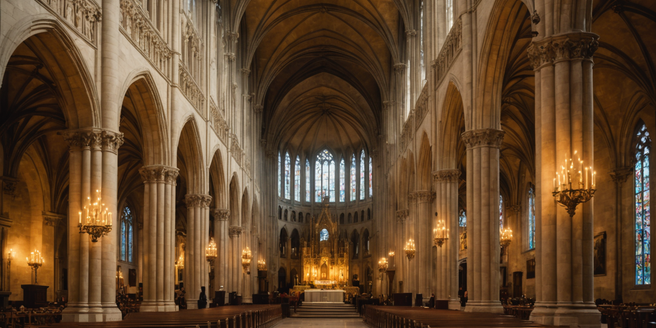
As Christianity spread across different cultures, the Eucharistic celebrations evolved, absorbing diverse customs and influences. By the 4th century, the ritualistic elements became more elaborate, with liturgical prayers and specific priestly roles. The development of church architecture played a part in how communion was administered, shifting from small, intimate gatherings to grand ceremonies within basilicas. As these changes unfolded, the role of hymnody also grew, adding a musical dimension to the solemnity of the rites. Theological debates over the nature of Christ’s presence in the elements of bread and wine began to surface, shaping the doctrinal foundations of the practice. This period saw the increased use of symbolic gestures, such as processions and altarpieces, reflecting the growing importance and reverence attached to the Eucharist in Christian liturgy.
Communion in the Medieval Church Era
During the medieval era, the practice of communion became deeply enshrined in the fabric of church life. It was during this period that the doctrine of transubstantiation was more explicitly defined, particularly at the Fourth Lateran Council in 1215. The Eucharist was celebrated with increasing pomp and grandeur, accompanied by intricate liturgies and the embellishment of sacred spaces. As society evolved, these practices became a vital expression of communal faith and devotion. This era emphasized the mystical and sacramental nature of communion, often highlighting the divine hierarchy within the church. Participation in the Eucharist was seen as essential for spiritual sustenance, and the faithful were encouraged to approach it with reverence. The rituals of communion, including the use of vestments and chalices, were deeply interwoven with the religious and cultural identity of medieval Christendom.
Reformation Perspectives on the Eucharist
The Reformation era brought significant changes and differing views on the practice of communion. Reformers like Martin Luther, John Calvin, and Ulrich Zwingli each offered unique perspectives on the Eucharist. Luther advocated for consubstantiation, believing in the real presence of Christ alongside the bread and wine, whereas Zwingli viewed it primarily as a symbolic act of remembrance. Calvin proposed a middle ground, emphasizing a spiritual presence. These differing views often led to passionate and sometimes heated discussions among theologians and the laity alike. The Reformation prompted the split of the Church and resulted in varying Eucharistic practices across Protestant denominations. This era was marked by intense theological debates, as reformers sought to align the ritual more closely with their interpretations of Scripture, signifying a shift towards individualized and localized understandings of the communion tradition.
Understanding Transubstantiation and Its Impact
Transubstantiation, a central tenet in Catholic doctrine, describes the transformation of bread and wine into the body and blood of Christ during the Eucharist. Officially adopted at the Fourth Lateran Council and affirmed at the Council of Trent, this belief underscores the mystery and sacramental nature of communion in Catholic theology. Its impact extends beyond liturgy, influencing religious art, literature, and education. This doctrine represents a deeply held mystery that continues to inspire both devotion and contemplation among the faithful. Theological assertions regarding transubstantiation have historically sparked doctrinal debates and divisions, particularly during the Protestant Reformation. Nonetheless, it remains a cornerstone of Catholic faith, shaping the reverence and structure of the Mass. Understanding this concept unveils insights into Catholicism’s spiritual and ecclesiastical traditions, reflecting a commitment to the divine real presence in worship.
The Role of Communion in Various Denominations
Communion, within various Christian denominations, serves multifaceted roles reflecting differing theological emphases. Catholics emphasize the sacramental and transformative aspect, celebrating the Eucharist as the literal body and blood of Christ. Protestant denominations, such as Lutherans and Anglicans, maintain a belief in Christ’s presence, whereas Reformed traditions emphasize a symbolic interpretation. Despite these differences, the shared focus on communion highlights a unifying thread among these diverse groups. Eastern Orthodox Christians perceive the Eucharist as a mystical and salvific encounter. Additionally, churches like Baptists practice ‘the Lord’s Supper’ as an ordinance of remembrance. Each tradition, while unique in its practice, underscores communion as a pivotal act of worship, fostering community and spiritual reflection. The diversity in interpretation and practice highlights the theological richness and historical evolution of this sacred rite across Christianity.
Communion in Modern Christian Worship
In contemporary Christian worship, communion continues to be a vital expression of faith and unity. Churches today embrace a variety of liturgical practices, blending tradition with modernity. Some congregations retain time-honored rituals, while others adopt more informal and accessible methods, reflecting the diversity of worship styles. The frequency of communion services varies, with some churches celebrating it weekly, others monthly or quarterly. Despite these differences, the core essence of communion as a unifying act of worship remains unchanged. Moreover, modern technological advances now enable online and virtual communion services, increasing accessibility for believers worldwide. The thematic focus on community, remembrance, and thanksgiving remains central, as churches strive to make the practice meaningful amid a rapidly changing cultural landscape, emphasizing the enduring relevance of this ancient sacrament.
Symbolism and Significance in Communion Rituals
Communion rituals are rich with symbolism, reflecting core Christian beliefs. The elements of bread and wine represent the body and blood of Christ, serving as tangible tokens of His sacrifice. This act of sharing harks back to the Last Supper, linking participants to a continuous Christian tradition. The breaking of bread symbolizes Christ’s broken body, while the communal cup signifies unity among believers. Liturgical gestures, such as kneeling and raising hands, further underscore themes of humility and reverence. These physical actions echo the devotion and solemnity inherent in the practice. This symbolic interplay helps congregants to internalize theological tenets, forging a connection between the ecclesiastical and the personal. Through these rituals, Christians worldwide experience a shared spiritual identity, reinforcing the power of symbols in faith expression.
The Future of Communion in a Global Church Context
In an increasingly globalized world, the future of communion in the church may be shaped by cultural exchange and technological advancements. As societies become more interconnected, churches have the opportunity to learn from each other’s traditions and practices. Cross-cultural interactions provide opportunities for diverse expressions of this sacred rite, fostering deeper understanding and unity among denominations. Emerging digital platforms enable remote participation, broadening accessibility for isolated or homebound individuals. However, these developments also pose challenges, such as maintaining the sacramental integrity and communal essence of the Eucharist. Theologians and church leaders must engage in continuous dialogue to address these issues thoughtfully. As churches navigate these dynamics, a balance between tradition and innovation will be essential. This ongoing evolution reflects the church’s responsiveness to a changing world, ensuring communion remains a meaningful and unifying practice across the global Christian community.