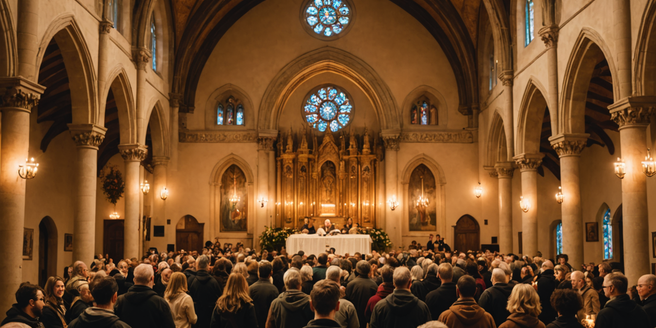
The Power of Joy in Modern Worship
Joy serves as a transformative force in contemporary worship experiences. Modern congregations increasingly recognize that celebration and jubilation deepen spiritual connection and authenticity. When believers express happiness through music, they create sacred spaces where God’s presence feels tangible and personal. This shift represents a departure from traditionally somber approaches, embracing instead the biblical foundation of rejoicing. Joy in worship transcends mere emotion; it becomes a spiritual discipline that strengthens faith and builds resilience. Communities that prioritize celebratory worship report enhanced engagement and deeper spiritual growth. The power of joy lies in its ability to dissolve barriers between individuals and the divine, creating moments of profound intimacy. Through upbeat melodies and enthusiastic expression, modern worship leaders help congregants experience faith as liberating rather than restrictive, fundamentally transforming how believers connect with spirituality.
Uplifting Melodies That Move the Soul
Melodies possess extraordinary power to transcend language and touch the human spirit. Uplifting compositions combine sophisticated harmonies with accessible arrangements, creating emotional resonance that reaches diverse audiences. Contemporary worship musicians craft songs specifically designed to elevate consciousness and inspire spiritual awakening. These melodies integrate elements from various musical traditions, blending classical elements with modern production. The psychology of music demonstrates that certain harmonic progressions trigger dopamine release, enhancing mood and emotional openness. Worship leaders strategically select melodies that facilitate deeper introspection while simultaneously energizing participants. The most effective uplifting songs balance complexity with memorability, allowing congregants to internalize messages quickly. When combined with thoughtful lyrics, these melodies become vehicles for spiritual truth. Musicians understand that melody serves as the emotional language of worship, communicating what words alone cannot express, thereby moving souls toward greater faith and understanding.
Top Artists Leading the Celebratory Music Movement
Contemporary worship has emerged as a dominant musical force, with visionary artists reshaping spiritual expression globally. Leaders like Hillsong United, Bethel Music, and elevation Worship pioneer innovative approaches blending theological depth with contemporary production. These artists command massive followings, influencing worship practices across denominational boundaries. Their influence extends beyond churches into secular spaces, proving worship music’s universal appeal. Modern worship leaders collaborate with producers, instrumentalists, and vocalists to create polished, engaging productions. Artists such as Kristian Stanfill, Taya Smith, and Brandon Lake demonstrate remarkable versatility, crafting both intimate acoustic pieces and high-energy anthems. Their authenticity resonates with younger generations seeking genuine spiritual experiences. These innovators understand contemporary culture while maintaining theological integrity. Through streaming platforms, social media, and international tours, they democratize access to quality worship music. Their leadership establishes new standards for excellence, creativity, and spiritual authenticity in modern worship.
How to Create the Perfect Worship Playlist
Crafting an intentional worship playlist requires strategic planning and understanding of musical flow. Begin by defining your playlist’s purpose: personal devotion, group worship, or communal celebration. Select songs spanning various tempos and themes, creating natural progression that mirrors spiritual journey. Include familiar favorites alongside fresh discoveries, balancing comfort with growth. Arrange tracks intentionally, building energy gradually or varying intensity for dynamic engagement. Consider lyrical content carefully, ensuring messages align with your spiritual objectives. Incorporate instrumental pieces that facilitate meditation and reflection. Evaluate production quality and vocal authenticity, prioritizing artists whose delivery resonates spiritually. Include songs from diverse cultural backgrounds and musical styles, enriching your spiritual experience. Test your playlist in actual worship settings, adjusting based on responses and personal reflection. Review regularly, refreshing content while maintaining beloved standards. The perfect playlist becomes personalized, flexible, and evolving, reflecting your spiritual journey while inviting others into deeper worship experiences.
The Science Behind Music and Spiritual Happiness
Neuroscience reveals fascinating connections between music, brain chemistry, and spiritual fulfillment. Listening to uplifting music activates reward centers, releasing dopamine and creating natural euphoria. Rhythmic elements synchronize brainwave patterns, inducing meditative states conducive to spiritual connection. Singing collectively activates social bonding mechanisms while reducing cortisol levels and stress hormones. Musical complexity engages multiple brain regions simultaneously, creating holistic neural engagement. Studies demonstrate that worship music participation increases oxytocin production, enhancing feelings of connection and belonging. The combination of melody, harmony, and lyrics creates multisensory experiences that embed spiritual messages deeply within memory. Regular worship music engagement strengthens neural pathways associated with meaning-making and purpose. Spiritual practitioners experience measurable increases in wellbeing markers following celebratory worship experiences. This neurological foundation validates what believers intuitively understand: music profoundly impacts spiritual happiness. Scientific validation reinforces worship music’s legitimacy as a transformative spiritual practice.
Energetic Hymns Meet Contemporary Beats
The fusion of traditional hymnic theology with modern production represents a revolutionary development in worship music. Contemporary worship leaders reimagine classic hymns through electronic instrumentation, updated arrangements, and dynamic production values. This convergence honors spiritual heritage while embracing cultural relevance and accessibility. Traditional hymns carry centuries of theological depth; contemporary production makes this wisdom emotionally immediate and engaging. Artists like Keith Getty revitalize historic hymns through modern sensibilities, introducing timeless truths to younger generations. Electric guitars, synthesizers, and contemporary drums transform familiar melodies into energetic worship experiences. This blending acknowledges that spiritual truth transcends musical style and production era. Congregants experiencing hymnic theology through contemporary arrangement discover newfound appreciation for classical Christianity. The fusion creates bridge-building opportunities, uniting traditional and progressive worshippers. Modern beatmaking combined with historic lyrics creates powerful vehicles for spiritual expression, proving that authenticity matters more than adherence to specific musical styles or instrumental choices.
Dancing and Singing: Expressing Faith Through Movement
Physical expression through dance and energetic singing represents vital components of holistic worship practice. Movement engages the entire being, integrating body, mind, and spirit into unified worship experience. Biblical precedent demonstrates that dancing constitutes legitimate worship expression, from Miriam’s celebration through psalmists’ exhortations. Contemporary worship increasingly embraces movement, recognizing that embodied expression deepens spiritual engagement. Physical participation combats dissociation, grounding spiritual experience in concrete reality. Dancing releases endorphins while facilitating communal synchronization, strengthening group cohesion. Energetic singing amplifies vocal engagement, requiring breath control and physical commitment beyond passive listening. This integration addresses modern worship’s tendency toward overly intellectual or emotionally detached approaches. Movement-based worship proves particularly effective for kinesthetic learners and younger participants seeking multisensory experiences. Creating safe, inviting spaces for embodied worship allows individuals to express faith authentically. The combination of singing and dancing transforms worship from spectator activity into participatory celebration.
Building Community Through Celebratory Worship Experiences
Celebrative worship naturally catalyzes community formation through shared spiritual experience and emotional connection. When individuals encounter joy together in sacred contexts, powerful relational bonds develop organically. Upbeat worship creates inclusive atmospheres where diverse individuals feel welcomed and valued. Collective singing and movement generate synchronization experiences that strengthen group identity and belonging. Celebratory environments encourage vulnerability and authentic expression, building trust among participants. Worship leaders intentionally design experiences facilitating conversation and connection beyond formal gatherings. Music becomes shared language transcending backgrounds, education levels, and personal histories. Communities practicing celebratory worship report enhanced support systems and deepened relationships. The combination of joyful music, physical proximity, and shared spiritual conviction creates profound belonging experiences. Regular celebratory worship participation strengthens social networks, reducing isolation and increasing life satisfaction. These communities become havens of acceptance and encouragement, extending support through life’s challenges. Ultimately, celebratory worship recognizes that humans need both vertical connection with God and horizontal connection with each other.
Bringing Upbeat Worship Into Your Daily Spiritual Practice
Integrating celebratory worship into daily routines transforms ordinary moments into sacred experiences. Begin mornings with upbeat worship music, establishing positive emotional frameworks and spiritual intention. Create designated worship spaces within homes where joy becomes tangible and normalized. Utilize commute times for worship listening, converting mundane travel into spiritual practice. Incorporate worship playlists into exercise routines, combining physical health with spiritual development. Practice singing throughout daily activities, allowing worship to saturate consciousness naturally. Share worship music with family members, extending celebratory spirituality across relationships. Schedule regular personal worship moments, treating them as non-negotiable appointments with spiritual development. Experiment with different artistic expressions including journaling, painting, or movement during worship experiences. Connect daily worship practice with intentional gratitude practices, amplifying joy and spiritual awareness. Maintain flexibility, allowing worship practices to evolve seasonally and circumstantially. This consistent integration ensures celebratory worship becomes foundational life orientation rather than exceptional experience, fundamentally reshaping how believers encounter spirituality daily.