Understanding Inuit Cosmology Basics
| Element | Meaning | Symbolism |
| Sky | Cosmic Bridge | Connection to spirits |
| Land | Foundation | Stability and life |
| Water | Creative Force | Transformation and life |
| Animals | Spiritual Guides | Wisdom and balance |
| Seasons | Cycles of Life | Renewal and survival |
The Anthropological Perspective
Inuit cosmology is an integral subject within the anthropological study of indigenous cultures. Researchers delve into their narrative structures and mythologies to unearth how the Inuit people viewed the world and their role within it. These narratives, passed down through generations, provide insights into the historical and cultural contexts unique to Arctic living. Anthropologists seek to understand how these stories influenced lifestyle, survival strategies, and societal norms in the harsh environments of the North. They evaluate the adaptability of these cultural elements and their impact on the identity of Inuit communities over time. Through these lenses, the connection between environmental awareness and cultural expression becomes vividly distinct, demonstrating the deep-rooted bonds formed between the Inuit and the natural world surrounding them. Moreover, these findings expand our understanding of cultural diversity and development, offering a rich tapestry of human adaptation and spiritual synchronization with nature.
Ancient Stories of Creation
The Inuit creation myths hold profound explanations about the origins of Earth and life. One of the central figures in these myths is Sedna, the sea goddess, whose narrative serves to explain the emergence of marine life. According to tradition, Sedna controls all sea creatures, asserting her importance in the creation of life-sustaining resources. Inuit tales often explore the symbiotic relationships between humans and animals, establishing moral and ethical grounds for coexistence. Myths are told as mechanisms for understanding natural phenomena, providing explanations for the ever-changing Arctic environment. The conveyance of creation stories transforms natural elements into sacred entities, embodying spiritual significance within daily life. Such narratives reflect the Inuit’s emplacement within the broader ecological framework, straddling the realms of the seen and unseen. By weaving stories around creation, the Inuit embed reverence and respect for Earth into the cultural fabric, ensuring the perpetuation of their cosmic understanding.
Significance of Sky and Land
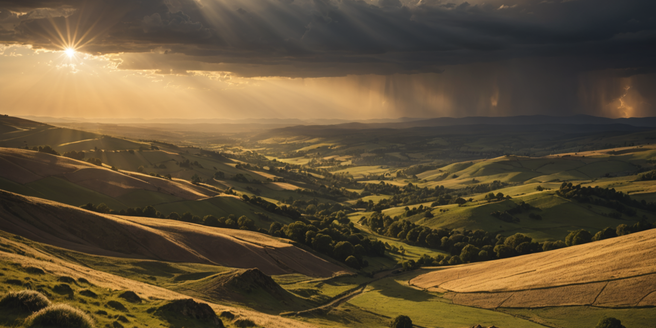
Inuit cosmology richly emphasizes the dual significance of sky and land, weaving them into the fabric of existence. The sky is perceived as a cosmic bridge, where spirits travel between realms, influencing the lives of those on Earth. It is revered as a source of guidance and protection, where celestial bodies signal events and seasons, crucial for navigation and survival. Conversely, the land provides a concrete foundation, embodying stability and sustenance essential for life. It supports their physical and spiritual activities, forming the backdrop for various rites and rituals. The intimate bond with the land fosters a kinship that extends beyond mere physicality, embodying ancestral spirits and histories that shape community living. Together, sky and land exist in exploratory harmony, balancing the tangible and the ethereal, and guiding the Inuit through their cyclical existence. This dual reverence for the natural world is instrumental in their resilience and adaptation across generations, maintaining a cosmic equilibrium.
Myths and Their Symbolism
Inuit myths encapsulate a depth of symbolism, offering ethical teachings and worldviews. These stories often involve animals and natural forces, serving as vital conduits for expressing environmental and spiritual understanding. Within the mythology, animals embody qualities like wisdom, strength, or cunning, teaching values through their interactions with humans. The symbolic narratives address complex human relations with nature, embedding profound lessons on coexistence and stewardship. Through symbolism, myths transcend beyond mere tales to become powerful teaching tools, ensuring cultural continuity and preservation of essential knowledge. The expressive layers within these myths convey a vivid moral landscape, guiding behavior and societal norms. Inuit folklore’s rich imagery and metaphor extend to ceremonial practices, infusing daily life with spiritual depth, promoting harmony. Through retelling, these narratives evolve, maintaining relevance while reinforcing identity, culture, and the sacred relationship to the terrain they inhabit.
Water as a Creative Force
Water is esteemed as a dynamic force of creation within Inuit cosmology, often depicted as a living entity that shapes life. The transformative nature of water is intertwined with stories of creation, where seas and rivers host origins of life and sustain ecosystems. Water’s fluidity symbolizes change and adaptation, embodying the Inuit’s resilience, mirrored in the flowing passages of their oral narratives. Sedna, as a pivotal figure associated with the sea, reinforces water’s creative potential, controlling resources and life-cycles of marine animals. This connection emphasizes water’s dual role as nurturing and potentially challenging, instilling respect and caution in human interaction. Rituals honor water’s vitality, expressing gratitude for its life-giving properties. Its perpetual motion serves as a metaphor for life’s cycles, inspiring introspection and reverence in adhering to the natural rhythm. Understanding water’s prominent position within their cosmology offers insights into the profound environmental awareness integral to Inuit culture.
Role of Animals in Earth’s Formation
Animals occupy a central role within Inuit cosmological tales, often embodying elements of Earth’s creation. They act as intermediaries between humans and the spirit realm, channeling divine wisdom and cosmic balance. According to tradition, animals are conduits of messages from deities, signifying that the spiritual and the tangible worlds are inextricably linked. These stories convey the sacred relationship between people and fauna, highlighting the importance of respect, sustainability, and reciprocal care in interfacing with the environment. Animal figures in legend offer valuable life lessons, underscoring ethics of survival and harmony pursued for the community’s well-being. As stewards of Earth, they’ve been key to the development of Inuit ecological knowledge and spiritual ideology, reflecting the necessity of cohabitation. Narratives where animals contribute to the creation process serve to affirm their indelible influence and underscore the interconnectedness essential for life, emblematic of broader ecological themes.
Connections to Modern Science
There exists a remarkable convergence between Inuit cosmology and modern scientific principles, particularly concerning ecology and environmental sustainability. Inuit narratives, enriched with astute observations of natural elements, align closely with contemporary ecological studies emphasizing balance and biodiversity. The indigenous knowledge systems encapsulate adaptive strategies and environmental management techniques, resonating with current methodologies advocating sustainability. Scientists, recognizing the value of this traditional wisdom, integrate indigenous insights into ecological research, delving into Arctic ecosystems complexities and climate change impacts. Indigenous perceptions of interconnectedness align with modern theories outlining the interdependency of ecosystems, underscoring the intricate patterns sustaining life. Inuit stories also stress adaptation, a principle found in evolutionary biology, highlighting communal resilience against environmental challenges. This shared understanding fosters collaborative frameworks where science and indigenous knowledge coalesce to advocate for ethical stewardship, fortifying cultural heritage preservation.
Comparisons with Other Cultures
Inuit cosmology shares intriguing parallels with other indigenous cultures, offering a lens into collective human myth-making processes. The themes of creation, symbolism, and nature’s reverence resonate across various cultural landscapes, reflecting universal quests for understanding life’s mysteries. Creation myths involving water and animal figures are prevalent, showcasing a shared acknowledgment of their elemental significance. For instance, Indigenous Australian Dreamtime stories similarly depict ancestral beings shaping the land, resonating with Inuit narratives of cosmic synergy between natural forces. In North American native traditions, animal symbolism also features prominently, embodying spiritual teachings analogous to Inuit perspectives. Cross-cultural comparisons reveal diverse yet tangential approaches to expressing environmental symbiosis and spiritual dimensions. Through examining these similarities and distinctions, a broader comprehension of the variegated tapestry of mythologies surfaces, revealing the inherent human tendency to juxtapose the known with the ethereal, thereby enriching cultural dialogues globally.
Preservation of Oral Traditions
The importance of preserving Inuit oral traditions lies not only in cultural continuity but also in the retention of environmental and historical knowledge. These narratives, serving as cultural anchors, are crucial for maintaining identity amidst shifting landscapes and societal changes. Efforts to document and pass down these stories empower communities, fortifying their connection to ancestral roots and safeguarding cultural heritage. Initiatives focusing on revitalizing language and storytelling offer pathways for younger generations to engage deeply with their heritage, fostering pride and understanding. Such efforts create educational opportunities where the richness of oral traditions informs broader educational curricula, showcasing the value of indigenous perspectives. Through collaboration with scholars and cultural guardians, oral traditions remain vibrant and adaptive, influencing diverse fields, from anthropology to environmental science. Preserving these stories is not only an act of cultural guardianship but a testament to the enduring interplay between humanity and nature, which continuously shapes indigenous cosmologies.