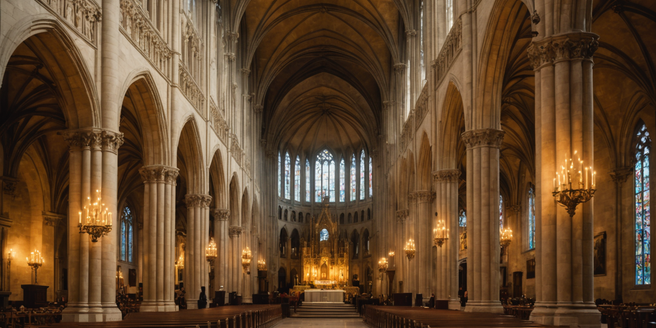
Understanding the Essence of Prayer
Prayer is a profound spiritual practice that forms the cornerstone of many religious and spiritual traditions around the world. It offers a means of communicating, expressing devotion, and seeking guidance from a higher power. Understanding prayer requires an appreciation of its dual nature; it is both an act of introspection and an outward expression of desire or gratitude. It allows individuals to reflect on their inner thoughts and feelings while fostering a sense of connection to something greater. The essence of prayer encompasses a variety of formats, whether spoken or silent, individual or communal, structured or spontaneous. Each form serves to uplift, heal, and provide clarity to individuals seeking comfort or direction in their lives. Prayer’s transformative essence is rooted in its ability to nurture inner peace and spiritual growth, regardless of one’s faith.
Historical Perspectives on Prayer Practices
Throughout history, prayer has been a vital component of cultural practices across civilizations. From early human societies that invoked spiritual forces for protection and prosperity to structured rituals in ancient religions, prayer has evolved significantly over time. Historical texts, including sacred scriptures and philosophical writings, offer insights into the varied traditions and societal influences on prayer practices, illustrating its importance as a means of personal and communal expression. The rituals and methods have adapted through religions like Hinduism, Buddhism, Christianity, and Islam, each with unique forms and intentions. Historical perspectives reveal prayer’s role in shaping moral and ethical structures within societies. Furthermore, they offer evidence of its enduring relevance as a spiritual tool that transcends time, serving not only as a personal practice but also as an integral element of religious observance.
The Science Behind Prayer and Well-being
Recent studies have explored the relationship between prayer and physical, psychological, and emotional well-being. Researchers argue that prayer can contribute positively to mental health by reducing stress levels and promoting a sense of calm through meditative qualities. The science behind these benefits points to changes in brain waves during meditative prayer, suggesting it can enhance emotional regulation and resilience. Additionally, prayer fosters a sense of belonging and community, reinforcing social support networks that are vital for psychological health. While scientific research cannot fully explain the spiritual dimensions of prayer, its findings underscore the practice’s potential in promoting holistic health. By integrating these insights, individuals may better understand how prayer can serve as a potent tool for enhancing personal well-being and addressing the challenges of modern life through mindfulness and spiritual reflection.
Prayer as a Tool for Personal Growth
Prayer can be a powerful catalyst for personal development, offering a pathway for self-reflection and inner change. By engaging in regular prayer, individuals cultivate patience, humility, and gratitude, vital traits that support personal growth. The introspective nature of prayer encourages self-awareness, allowing individuals to confront personal challenges and seek guidance for improvement. Through prayer, many find the strength to overcome obstacles and the clarity to pursue personal goals. Moreover, prayer fosters a sense of accountability to oneself and others, reinforcing the values and ethical principles that underpin personal and social interactions. By integrating prayer into daily life, individuals can enhance their emotional intelligence and develop a deeper understanding of their purpose and values. This transformative potential makes prayer an invaluable tool for continuous self-improvement and spiritual enrichment.
Different Forms and Styles of Prayer
Prayer is a deeply personal practice that manifests in diverse forms and styles across cultures and individuals. It includes traditional approaches such as spoken prayers, chanting, or silent meditation, each serving distinct purposes within spiritual practice. Many find solace in structured prayers recited during religious services, while others prefer informal conversations with a higher power, reflecting personal thoughts and struggles. Likewise, the physical forms of prayer, such as kneeling, bowing, or raising hands, vary greatly, symbolizing devotion and reverence. Prayer can occur in solitude or communally, highlighting its role in both private and public worship spaces. Additionally, prayer can transcend language barriers, as its essence lies in intent rather than verbal expression. The diverse array of prayer practices underscores its universal significance, allowing individuals to connect with the divine in ways that resonate personally and spiritually.
Stories of Lives Changed Through Prayer
Throughout history, numerous stories illustrate the profound impact prayer can have on individuals’ lives. Testimonials from diverse backgrounds reveal how prayer has provided solace during times of despair, healing for the sick, and guidance during critical life moments. These narratives often describe a sense of peace and clarity gained through prayer, which empowers individuals to face challenges with renewed strength and hope. Influential figures, from historical leaders to ordinary individuals, attribute monumental life changes to the power of prayer. These stories highlight the transformative potential of prayer as they recount shifts in personal circumstances, health recoveries, and spiritual awakenings. Such accounts inspire believers and non-believers alike, reminding us of prayer’s mysterious ability to influence and change lives in profound ways, beyond the constraints of logic and reason.
How Prayer Influences Community and Connection
Prayer extends beyond personal spirituality, serving as a critical element in fostering community and connectedness. Group prayer rituals, such as communal worship services, create a shared experience that strengthens social bonds and fosters collective identity. These gatherings offer individuals emotional support and a sense of belonging, vital aspects of healthy communities. Moreover, prayer can facilitate reconciliation and understanding among diverse groups by emphasizing shared values and common goals. Interfaith prayer initiatives, for example, can bridge cultural and religious divides, promoting tolerance and mutual respect. Prayer’s universal appeal unites individuals across different backgrounds, fostering a sense of solidarity and compassion. By nurturing these connections, prayer plays a pivotal role not only in personal spiritual journeys but also in cultivating vibrant, inclusive, and cohesive communities that thrive on togetherness and shared purpose.
Prayer in Various Cultures and Religions
Prayer practices provide a fascinating window into the cultural and religious diversity of human societies. Across the globe, prayer assumes various forms and significance, reflecting the unique values and beliefs of different cultures. In Hinduism, prayer involves rituals like puja and chanting mantras, while Buddhism often emphasizes meditation and mindfulness as forms of prayerful reflection. Islam mandates daily prayers, or Salah, integrating routine spiritual devotion. Likewise, Judaism and Christianity incorporate prayer into daily life and religious ceremonies, often through recitation of scripture or spontaneous supplication. Indigenous cultures might engage in prayer through ceremonies invoking natural elements and ancestors. Despite these differences, the core purpose of prayer—to establish a connection with the sacred and seek spiritual fulfillment—remains universal. This rich tapestry of prayer practices enriches global cultural heritage and inspires cross-cultural appreciation for shared spiritual aspirations.
Overcoming Challenges in Developing Prayer Habits
Developing a consistent prayer habit can present challenges due to modern life’s distractions and demands. However, persistence and mindful strategies can integrate prayer seamlessly into daily routines. One challenge is making time for prayer amidst busy schedules. To address this, one might start with short and regular sessions to build the habit gradually. Another common obstacle is maintaining focus during prayer, which can be enhanced through mindfulness techniques or finding a quiet, dedicated space. Encouragement from community members or joining prayer groups can provide support and motivation. It’s also helpful to remind oneself of prayer’s personal significance and the benefits it brings to mental and emotional well-being. Over time, these efforts can transform prayer from a routine task into a meaningful practice that enriches everyday life, fostering a deeper spiritual connection and sense of peace.
Integrating Prayer into Daily Life
Integrating prayer into daily life can profoundly enrich one’s spiritual journey and personal well-being. For many, finding specific times of the day for prayer, such as morning or evening quiet moments, helps create a sense of routine and purpose. Others pursue prayer through simple, spontaneous conversations with the divine throughout their day, seeking guidance or expressing gratitude in fleeting moments. Incorporating prayer into daily activities, like mindful breathing or brief meditative pauses, fosters mindfulness and presence in everyday life. Modern technology also aids in this integration, offering apps or online communities for shared prayers and reflections. By weaving prayer into daily life, individuals strengthen their spiritual foundations and cultivate a continual awareness of the divine. This practice not only nurtures personal growth but also reinforces resilience, offering solace and clarity amidst life’s challenges.