Understanding the Core Concepts of Faith and Will
Faith and will are deeply intertwined elements of the human experience, each influencing the other to shape individual perspectives and actions. Faith often provides a foundational mindset of trust and belief in something greater than oneself, while will represents the personal drive to achieve goals and make choices. Understanding these concepts involves recognizing that faith can strengthen resolve, empowering individuals to pursue their aspirations with greater tenacity. The interplay between faith and will can lead to profound personal growth and achievement. Conversely, exercising will can deepen faith, as the repeated act of intention and choice fosters growth in belief and trust. To truly understand these core concepts, one must see faith not just as spiritual belief but as integral to resilience, and will not just as determination, but as a testament to the strength of one’s convictions.
Historical Perspectives on Faith and Personal Will
Throughout history, the interplay between faith and personal will has shaped societies and fueled movements. Ancient philosophies often viewed faith as a guiding light, essential for moral alignment, while will was considered a vital force for enacting one’s destiny. In various religious traditions, faith has been emphasized as a means to transcend earthly limitations, with personal will serving as a catalyst for spiritual journeys and transformative experiences. Medieval scholars grappled with the balance between divine providence and free will, sparking debates that continue today. The Renaissance period reignited interest in individual potential, merging faith with newfound emphasis on human ability and ambition. By examining these historical perspectives, we gain insight into how faith and personal will have not only guided personal development but also influenced broader cultural and societal changes.
How Faith Influences Personal Decision-Making
Faith plays a critical role in personal decision-making by providing a framework of values and guiding principles. For many, decisions are not solely determined by logic or practicality but are deeply rooted in beliefs and convictions. Faith can introduce a sense of purpose, steering choices towards fulfilling a perceived higher calling or aligning with spiritual teachings. It can also bring clarity and calm in times of uncertainty, offering reassurance through trust in divine wisdom or the universal order. However, the influence of faith on decisions can vary among individuals, depending on their interpretation of spiritual doctrines and the strength of their convictions. By understanding how faith influences personal decision-making, one can appreciate the profound impact it has on life choices, from ethical dilemmas to long-term career paths, ultimately contributing to a coherent and fulfilled life.
Exploring the Balance Between Surrender and Control
The balance between surrender and control is a key aspect of living with both faith and will. Surrender, often seen as an act of faith, involves letting go of personal desires and trusting in a greater plan or higher power. It requires humility and acceptance of life’s uncertainties. On the other hand, control is exercised through personal will, embodying the proactive effort to influence outcomes and fulfill personal ambitions. Balancing these can be challenging, as excessive control may lead to resistance against natural flow, while too much surrender might result in passivity. Finding harmony between these forces involves recognizing moments that require action and those that necessitate faith. It demands reflection on one’s priorities and an understanding that both surrender and control have their place in navigating life’s complex landscape, ultimately fostering growth and resilience.
Practical Ways to Strengthen Your Faith
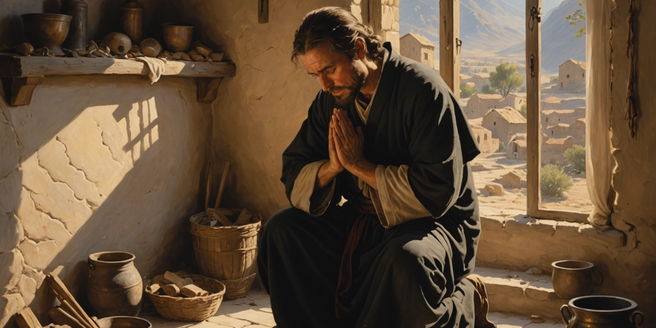
Strengthening faith involves cultivating practices and habits that can reinforce belief and trust. Engaging in regular meditation or prayer can deepen your connection with your inner self and higher powers, fostering a sense of peace and clarity. Reading sacred texts or inspiring literature can provide insights and reinforce core beliefs. Surrounding yourself with a supportive community or engaging in group discussions about faith-related topics can offer encouragement and deepen understanding. Acts of kindness and service to others can also be a powerful way to live out faith in daily life, reflecting core teachings and principles. Faith can further be strengthened through reflection and journaling, which allow you to explore your thoughts, challenges, and growth. Consistency in these practices can cultivate a resilient and enduring faith, equipping you to face both life’s challenges and opportunities.
The Role of Will in Pursuing Spiritual Growth
Will plays a crucial role in pursuing spiritual growth, acting as the driving force behind the consistent commitment to developing one’s spirituality. It requires intentional choices, such as setting time for reflection, meditation, or religious practices amidst daily distractions. Will supports the pursuit of learning and understanding, encouraging the study of philosophical and spiritual texts that offer new perspectives and deepen knowledge. It also aids in overcoming challenges that inevitably arise on the spiritual journey, from managing doubts to maintaining discipline in practice. Through willpower, individuals can cultivate habits that enhance spiritual growth, such as practicing gratitude, compassion, and mindfulness. Ultimately, while faith provides the inspiration and purpose behind spiritual pursuits, will ensures that these are translated into concrete actions and sustained efforts, paving the way for profound personal transformation.
Stories of People Who Successfully Integrated Faith and Will
Numerous individuals have successfully integrated faith and will, using both as complementary forces to achieve remarkable feats. Consider historical figures like Mahatma Gandhi, whose unwavering faith in nonviolence and justice was harmoniously combined with relentless willpower to lead a movement that transformed a nation. Similarly, Helen Keller’s story exemplifies the power of integrating faith in her own abilities and the will to overcome profound challenges, achieving extraordinary success as an advocate and author. Contemporary stories continue to inspire, with entrepreneurs, activists, and leaders often drawing on their faith and will to navigate complexities and bring about positive change. These narratives illustrate that when faith and will converge, they amplify each other, enabling individuals to realize potential, overcome adversity, and contribute meaningfully to their communities and the world at large.
Challenges in Aligning Personal Desires with Faith
Aligning personal desires with faith presents several challenges that require introspection and discernment. Often, personal ambitions may not align with spiritual principles, leading to internal conflict and a sense of imbalance. Material pursuits, societal pressures, and personal goals can at times diverge from what one’s faith dictates, creating tension in decision-making. Resolving such conflicts involves examining the motivations behind desires, discerning whether they are driven by ego or align with deeper spiritual values. It may require making difficult choices, prioritizing long-term fulfillment over immediate gratification. The process may also involve seeking guidance from spiritual mentors or engaging in dialogues with community members to gain perspective. By navigating these challenges, individuals can achieve a harmonious relationship between their personal desires and faith, fostering authenticity, integrity, and a greater sense of peace.
Future Implications of Faith and Will in Modern Society
As society evolves, the roles of faith and will are expected to undergo transformation, impacting both personal lives and collective social dynamics. In an increasingly digitalized world, where information overload can lead to existential uncertainty, faith may become a vital anchor for many, providing a sense of purpose and belonging. Will is likely to be essential in adapting to rapid changes, driving innovation, and addressing global challenges such as climate change and social inequality. The interplay between faith and will could lead to the emergence of new movements centered around ethical responsibility and sustainable living. Furthermore, technology may offer novel avenues for exploring faith, such as virtual spiritual communities and digital meditation practices. Understanding these future implications can help individuals and societies harness the positive potential of faith and will, guiding progress towards a more compassionate and equitable future.