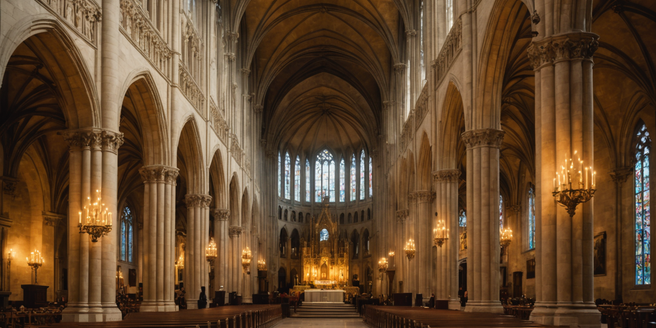
Understanding Spiritual Narratives
| Aspect | Description | Example |
| Cultural Context | Influences from a specific culture or region shaping the narrative. | Indian spiritual texts like the Bhagavad Gita. |
| Historical Events | Moments in history that impact spiritual beliefs or storytelling. | Reformation’s impact on Christian thought. |
| Personal Transformation | A significant change in beliefs or life perspective. | Conversion experiences in the New Testament. |
| Symbolism | Use of symbols to convey deeper meanings. | Lotus flower in Buddhism. |
| Mythological Elements | Incorporation of myths to enrich the narrative. | Greek creation myths. |
| Interpersonal Relationships | The influence of relationships on spiritual development. | Disciple-master relationships in Zen Buddhism. |
The Journey to Awakening
The journey to spiritual awakening is an intensely personal and transformative process, often marked by introspection and exploration. Individuals may experience a profound shift in their understanding of self and the universe. This path is diverse and can be influenced by cultural and historical contexts, leading to a wide range of awakening experiences. It often involves navigating challenges such as reconciling new beliefs with old paradigms and overcoming ego restrictions. The journey may not only be spiritual but also emotional and psychological, demanding patience and resilience. With each step, one moves closer to understanding deeper truths, finding peace, and experiencing a sense of interconnectedness with all beings. Ultimately, the journey to awakening is about personal growth and finding a harmonious balance between the inner and outer worlds.
Historical Perspectives on Spirituality
Historically, spirituality has been a cornerstone of human consciousness, shaping cultures and societies. Ancient civilizations often centered their communities around spiritual beliefs, crafting narratives that explained the mysteries of existence and the cosmos. From Egyptian mysticism to ancient Greek philosophies, spirituality permeated every aspect of life. These historical perspectives offered a sense of purpose and understanding of the afterlife. Over centuries, spiritual narratives have evolved, reflecting changes in societal norms and scientific understanding. Yet, despite these changes, the core quest for meaning and connection remains constant. Different eras have seen varied interpretations of spiritual awakening, influenced by geographical, political, and social changes. As we’ve moved from agrarian societies to modern technological ones, the influence of historical spiritual narratives persists in our rituals, art, and collective beliefs, continually evolving while often preserving their ancient roots.
Modern-Day Spiritual Stories
Today, spiritual stories are more diverse than ever, intersecting with various disciplines and practices. In our globalized world, individuals draw from multiple traditions, creating rich, hybrid narratives that reflect modern life’s complexities. Modern spiritual stories often highlight personal empowerment, mindfulness, and the pursuit of inner peace amidst external chaos. With the rise of digital technology, spiritual communities have expanded beyond traditional geographical boundaries, fostering online connections and sharing experiences globally. This new era allows for unprecedented exchange and fusion of spiritual ideas, leading to unique interpretations and practices. Today’s stories focus on inclusivity, embracing diverse identities, and promoting a sense of unity and purpose. By blending ancient wisdom with contemporary insights, modern spiritual narratives continue to evolve as they meet the challenges and needs of an ever-changing world, promoting healing and understanding on multiple levels.
The Science Behind Spiritual Experiences
Scientific inquiry into spiritual experiences has grown significantly, bridging the gap between mysticism and empirical evidence. Neuroscience and psychology have started exploring how spiritual experiences affect the brain, revealing intriguing insights into consciousness and perception. Studies suggest that spiritual practices can lead to changes in brain structure and function, supporting emotional well-being and mental health. For instance, meditation and prayer can activate areas of the brain associated with emotional regulation, compassion, and attention. These findings highlight the potential for spiritual practices to enhance neuroplasticity and foster psychological resilience. Furthermore, scientific exploration seeks to understand the biological and physiological mechanisms underlying transformative spiritual experiences. While science may not yet have all the answers, this ongoing research provides valuable perspectives on how spirituality can positively impact human lives, blending ancient knowledge with modern insights to enrich our understanding of both the spiritual and physical realms.
Personal Accounts of Awakening
Personal accounts of awakening are as varied as the individuals who experience them, offering profound insights into the journey of self-discovery and transformation. These stories often begin with a crisis or a period of deep questioning, leading individuals to seek meaning beyond the material world. Through practices such as meditation, fasting, or retreat, individuals report moments of profound clarity, accompanied by a sense of unity with all existence. These personal narratives provide invaluable context for understanding how awakening manifests in daily life, affecting relationships, career choices, and worldviews. They highlight the transformative power of spiritual insights to heal past wounds and bring about inner peace. By sharing their journeys, individuals contribute to a collective wisdom, inspiring others to embark on their own paths of exploration. These stories remind us that although the journey of awakening is deeply personal, its themes of growth and transformation are universal.
Cultural Influences on Spiritual Narratives
Cultural influences play a crucial role in shaping spiritual narratives, reflecting the diversity of human experience. Different cultures interpret and express spirituality uniquely, steeped in their historical, environmental, and social contexts. For instance, Eastern spiritual traditions often emphasize balance and oneness, manifested in practices like yoga and meditation. In contrast, many Western narratives focus on individualism and personal salvation. These cultural perspectives shape how spiritual teachings are understood and integrated into people’s lives. Myths, folklore, and religious texts all contribute to the rich tapestry of spiritual storytelling within a culture. Today’s global interaction allows for cross-cultural exchanges, leading to a fusion of spiritual ideas and practices, enriching the spiritual lives of individuals across the globe. Understanding these cultural paradigms offers a deeper appreciation for the shared human quest for meaning and the diverse ways it manifests in our individual and collective stories.
Common Themes in Spiritual Journeys
Despite the diversity of spiritual narratives, several common themes emerge across traditions and cultures. One key theme is the quest for understanding and connection to something greater than oneself, whether it’s a divine presence, universal consciousness, or nature. This longing often manifests as a journey of self-discovery, prompting individuals to explore their beliefs, values, and purpose. Another recurring theme is transformation, as spiritual awakening often involves shedding old identities and embracing new perspectives. Many narratives also emphasize compassion and service, reflecting the belief that true spiritual growth enhances one’s ability to empathize with and help others. Finally, the concept of interconnectedness is prevalent, highlighting the understanding that all life is interwoven. These themes reflect the fundamental elements of spiritual journeys, reminding us that while paths may vary, the underlying goals of growth, understanding, and connection remain beautifully consistent across human experience.
Challenges and Triumphs in Awakening
Embarking on a path of spiritual awakening is often fraught with challenges and moments of intense introspection. Individuals may struggle with doubt, fear, and resistance from their ingrained belief systems. Letting go of these old paradigms can be a daunting process, sometimes leading to a period of uncertainty known as the ‘Dark Night of the Soul.’ However, overcoming these challenges often leads to profound personal growth and transformation. Triumph in the spiritual journey is marked by gaining deeper insights, experiencing heightened states of awareness, and achieving a sense of inner peace and fulfillment. Stories of triumph inspire us to remain resilient and open-minded as we navigate our spiritual paths. They remind us that while awakening can be challenging, it is ultimately a rewarding pursuit, leading to greater self-awareness, compassion, and a profound connection to the world around us, marking the milestones of spiritual growth.
The Future of Spiritual Narratives
The future of spiritual narratives is poised to embrace innovation and inclusivity, continuing to evolve with technological advancements and shifting societal values. As humanity navigates the complexities of the modern world, spiritual stories will likely incorporate themes of sustainability, technological integration, and global interconnectedness. Virtual reality and digital platforms can create new modes of sharing and exploring spirituality, offering immersive experiences that transcend traditional boundaries. Additionally, future narratives may increasingly reflect diverse voices and multicultural perspectives, challenging historical norms and expanding the definition of spirituality. As people become more interconnected, spiritual narratives will broaden to encompass a more holistic understanding of life, recognizing the interdependence of individuals, communities, and the planet. The evolution of spiritual narratives promises a dynamic landscape of shared stories and teachings, fostering a future where spirituality deepens our understanding of humanity’s potential and purpose.