Understanding the Importance of Worship Atmosphere
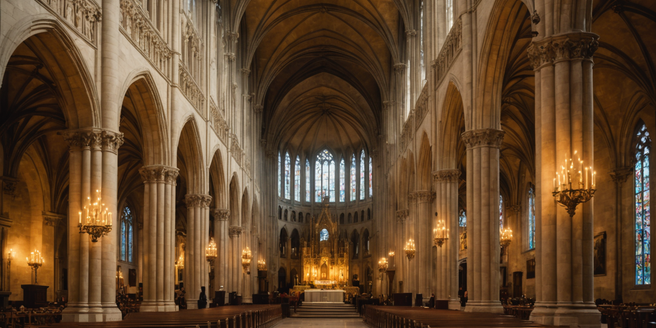
Creating a meaningful worship atmosphere goes beyond just the physical space; it’s about fostering a sense of reverence and community. The atmosphere can deeply influence the congregants’ experience, making them feel spiritually connected and focused. Elements such as lighting, seating arrangement, and acoustics play pivotal roles in this. Attention to detail can significantly enhance the overall experience. The ambiance should support the intended mood of the service, whether it be contemplative, joyful, or celebratory. The goal is to eliminate distractions and allow for a seamless flow of worship, enhancing both personal and communal engagement. A well-crafted atmosphere invites participants into a sacred space, encouraging introspection and spiritual growth. Understanding these dynamics is crucial for those leading worship, ensuring that every aspect of the service works in harmony to support worshippers’ spiritual journeys.
Elements That Contribute to a Worshipful Environment
A worshipful environment is carefully crafted, combining various elements that invite congregants into a sacred space. Lighting, for instance, can set the tone, with softer lights promoting contemplation and brighter lights infusing energy into the space. Spacious but intimate seating arrangements allow for both personal reflection and communal unity. Acoustics play a role, ensuring that spoken words and music resonate effectively, without overwhelming. Additionally, decor and symbols should align with worship themes, subtly enhancing the overall message. Each detail is meticulously planned to support a seamless and harmonious worship experience. These elements are intertwined to maintain focus and reverence, contributing to an atmosphere conducive to worship. By orchestrating these interconnected components, a worship service can profoundly impact the spiritual engagement and participation of the congregation, leading to a more enriching experience.
Lighting and Its Impact on Worship Experience
Lighting is a powerful tool in shaping the worship experience. It engages attendees by setting the emotional and spiritual tone for the service. Subtle adjustments, such as dimming for quiet prayer or brightening for joyful songs, create a dynamic environment that reflects the flow of worship. Proper use of lighting can direct focus, highlight certain aspects like the altar or cross, and build a connection between the worship leader and the congregation. Beyond functionality, lighting also contributes aesthetically, enhancing architectural features and creating an inviting atmosphere. When synchronized with music and liturgical elements, lighting becomes a seamless part of the worship experience, enriching participation and making each moment memorable. Thoughtful lighting design thus plays an integral part in facilitating a meaningful and immersive worship atmosphere.
The Role of Music in Enhancing Worship Ambiance
Music is an integral part of worship, capable of transforming the environment and elevating the spiritual atmosphere. It connects congregants emotionally, fostering a sense of unity and shared belief. From classic hymns to contemporary worship songs, the choice of music sets the tone, whether it be reflective, celebratory, or contemplative. Music’s rhythm and melody engage the mind and spirit, allowing for an immersive experience. In the context of worship, music not only enhances the mood but also deepens the impact of the service. Well-chosen pieces enhance the service’s thematic flow, aiding in the transition between different segments of worship. Besides, live music and choir participation can amplify this effect, providing an authentic and powerful backdrop for worship. By orchestrating these musical elements thoughtfully, worship leaders can significantly enhance congregational participation, creating an ambiance that resonates deeply with all present.
Creating a Welcoming Space for All Congregants
A welcoming worship space invites all congregants to feel at ease and part of a community. This involves more than just physical comfort; it’s about creating an inclusive and accessible environment for people of all backgrounds and abilities. Entrances should be accommodating, with clear signage guiding newcomers. Friendly greeters can make a significant difference, fostering an initial sense of belonging. The design of the space should reflect the diversity of the congregation, highlighting inclusivity and unity. Seating arrangements should consider mobility and give everyone a good view of the service. The use of inclusive language and diverse representation in worship elements can resonate with a broad audience. By being attentive to these aspects, worship leaders can ensure that every individual feels valued and welcome, encouraging active participation and a deeper connection to the community and the spiritual message.
Balancing Tradition and Innovation in Worship
Balancing tradition and innovation in worship is key to keeping services relevant yet respectful of their history. Congregants often value the familiarity and comfort of traditional practices which provide a sense of continuity and depth. For instance, the use of age-old hymns can evoke a profound spiritual connection. However, integrating contemporary elements, such as modern music or multimedia tools, can enhance engagement and appeal to younger members. The challenge lies in blending the old with the new without losing the essence of the worship experience. Thoughtful adaptation ensures that services remain spiritually nourishing while being impactful and accessible. By respecting traditions and embracing meaningful innovation, a worship atmosphere that speaks across generations can be cultivated, revitalizing the congregation and encouraging broad participation in the spiritual community.
Incorporating Technology to Enrich Worship Atmosphere
Incorporating technology into worship can significantly enrich the atmosphere by enhancing accessibility and engagement. Visual aids like projectors display lyrics and scripture, enabling everyone to participate easily. Sound systems ensure clarity in both spoken and musical elements, vital for maintaining focus. Live streaming services and digital bulletins expand outreach, allowing those unable to physically attend to stay connected with the congregation. Additionally, virtual reality experiences can provide an immersive way for people to engage with spiritual teachings. Interactive apps and social media platforms can foster a sense of community beyond the service. However, it’s essential to balance technology use so that it complements rather than detracts. Thoughtful implementation ensures that technology supports and enriches the traditional worship elements, creating a more inclusive and engaging worship experience for all attendees.
Engaging the Senses for a Holistic Worship Experience
Engaging all five senses can transform worship into a more immersive and holistic experience. Visual elements like stained glass and sacred icons provide beauty and focus. Auditory elements, primarily music, carry emotional and spiritual messages that resonate. Tactile experiences, such as touching prayer beads or sacramental bread, deepen personal connection. Including natural elements like candles or flowers can also enhance the visual and olfactory environment. The gentle flicker of a candle flame can create an atmosphere of peace and reflection. Incorporating scents like incense can evoke reverence and spirituality, while offering communal meals afterwards appeals to taste and fosters fellowship. By thoughtfully integrating sensory experiences, worship can move beyond a purely intellectual engagement to touch deeper emotional and spiritual chords. This multi-sensory approach creates a profound atmosphere where congregants feel enveloped by the sacred, enhancing their overall worship experience.
Practical Tips for Worship Atmosphere Improvement
Improving worship atmosphere is achievable through thoughtful, deliberate actions. Begin by assessing the current setting and soliciting feedback from congregants to understand areas for improvement. Consider simple adjustments like rearranging seating for better interaction or introducing plants to enhance aesthetics. Evaluate the sound system to ensure clarity for everyone, regardless of seating position. Experiment with lighting to match the service’s mood, using natural light when possible. Introducing soothing background music before and after the service can also add a calming touch to the atmosphere. Encourage diversity in worship materials to reflect your congregation’s composition. Training for volunteers and leaders can also enhance the atmosphere, fostering welcoming and smooth service execution. By focusing on these practical aspects, worship leaders can create an inviting and spiritually enriching environment for the community, aiding in deeper engagement and connection with the worship experience.