The Creation Story: Earth and Sky Formations
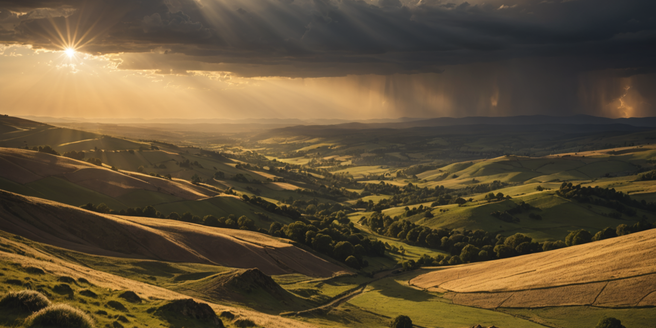
In the beginning, the Earth and sky were formless, a canvas for divine artistry. Genesis speaks to the power and beauty of creation, reflecting a world shaped with intention. The skies, vast and limitless, house the clouds and stars, playing a symphony of light. The Earth, strong and stable, was formed to cradle life. This first act of creation establishes the profound connection between the heavens and the Earth, each existing in harmony. Each element was crafted with purpose, a testament to the thoughtful design of the universe. Every mountain, valley, and sky formation tells a story of deliberate design, showcasing the omnipotence of their Maker. The Genesis narrative invites contemplation on the intricate balance of our world, encouraging us to appreciate the marvels of nature that surround us daily.
Plants: The Seeds of Life in Genesis
Genesis reveals plants as the initial sparks of life on Earth, rooting themselves firmly in creation’s timeline. These green tendrils of life burst forth at the Creator’s command, setting the stage for biodiversity. Every tree, herb, and seed-bearing plant not only sustains life but also symbolizes growth and renewal. Their presence in the narrative underscores the harmony intended between humanity and nature. Plants in Genesis are designed with a purpose, destined to provide nourishment and beauty. In understanding plants as a fundamental part of the creation process, we recognize their role as life’s first stewards, silently laboring to balance ecosystems. This botanical tapestry not only feeds the body but also feeds the soul, offering a glimpse of nature’s divine craftsmanship and the cycles of life established by the Genesis account.
Animals and Humans: Diverse Beings in Balance
Genesis portrays a world teeming with life, each creature purposefully made and placed. Animals, from the smallest insect to the great beast, each hold a role in the tapestry of existence. Human beings, created in the Creator’s image, are called to steward these creatures, living in a balance of nourishing coexistence. This mutual dependence emphasizes the sacred responsibility humans bear toward other life forms. The beauty of this symbiotic relationship is a testament to the wisdom of creation. Genesis reflects on this intricate web of relationships, teaching respect for all living beings. By honoring the diverse array of life, one recognizes the careful orchestration of the natural world. Humanity’s role as caretaker fosters appreciation for the wonder of diversity and underlines the gravity of maintaining ecological harmony.
Water and Land: Divinely Crafted Boundaries
In the Genesis narrative, water and land emerge as blueprints of divine design. The separation of these two elements marks a cornerstone in creation’s progression, delineating spaces that shape ecosystems. Water, a life-sustaining force, covers vast portions of Earth, nurturing life and sculpting landscapes. Land offers stability and nourishment, the platform for terrestrial life to flourish. This intricate interplay between land and water demonstrates the complexity and harmony of the natural world. This balance between water and land not only supports diverse habitats but also reflects intentional design. These divinely crafted boundaries allow for a wide array of life forms to coexist and thrive. In comprehending this separation, we are reminded of the careful planning that underlies creation, a testament to the Creator’s wisdom and foresight.
The Firmament: Unveiling the Heavens
Genesis describes the firmament as a celestial canopy, separating waters above from waters below. This magnificent expanse unveils the heavens, showcasing the universe’s boundless splendor. It invites contemplation and curiosity about our place in the vast cosmos. The firmament serves as a testament to the creator’s grandeur, an ever-present reminder of the divine architect who meticulously set the stars in place. It evokes a sense of wonder that transcends generations, connecting humanity to the cosmos. The skies, adorned with celestial bodies, inspire awe and offer insight into nature’s mysteries. Through Genesis, the firmament stands as a symbol of divine order and the intricacy of the cosmos. This expanse not only captures humanity’s imagination but also encourages reverence for the marvel of creation, highlighting the delicate equilibrium that governs our universe.
Seasonal Cycles: Nature’s Rhythmic Dance
Genesis introduces the concept of seasons, a rhythmic dance orchestrating time and life. Seasons are the Earth’s heartbeat, each cycle bringing transformation and renewal. From the verdant growth of spring to winter’s hushed slumber, these cycles govern the planet’s thriving ecosystems. The changes in weather not only affect nature but also influence human traditions and lifestyles. The cyclical nature of seasons reflects the harmony present within the universe. The change in seasons showcases the Creator’s foresight, allowing life to ebb and flow in an orderly fashion. As Genesis outlines, these cycles provide essential regulation for agriculture, migration, and natural growth patterns. Understanding seasons as divine poetry invites appreciation for nature’s tempo. Through this lens, one sees the beauty in change and the steadfast promise of renewal, a testament to the precision and care embedded in the world’s foundation.
Light and Darkness: The Genesis Dichotomy
Genesis introduces light and darkness as elemental forces shaping the world. Light, called forth by the Creator, dispels darkness, ushering in clarity and life. Immersed in this dynamic, humanity witnesses the profound impact of these forces on their daily existence. This dichotomy creates a rhythm of day and night, a cycle essential to existence. Light, a symbol of divine presence and wisdom, illuminates paths and nurtures growth. Darkness, the backdrop of light’s brilliance, invites reflection and rest. Their coexistence illustrates the necessity of balance in all aspects of life. Together, they form a balanced narrative of beginnings, of potential, and transformation. Genesis invites contemplation on the interplay of these elements, revealing them as not merely opposites but complementary forces. Embracing both offers insight into the richness of creation and the harmony within the universe.
Beasts of the Earth: Kingdoms of Abundance
In Genesis, animals are declared a vital component of the living world, each kind purposely crafted. From the nimble deer to the majestic eagle, each species contributes to a complex ecosystem. These creatures populate the Earth with diversity, sustaining ecological balance and beauty. Genesis highlights animals’ intrinsic worth, encouraging stewardship and respect. Beasts, in their myriad forms, reflect the Creator’s vitality and creativity, a spectrum of life occupying varied habitats. Observing how intricately each species interacts with its environment further deepens this appreciation. Their existence offers a reflection of the world’s interconnectedness and fragile harmony. Through observing wildlife, one gains admiration for the Earth’s abundance and resilience. Acknowledging this kingdom reveals humanity’s role in preserving it, underlining the shared responsibility of guardianship that ensures the continuity of life’s multiplicity.
Man’s Stewardship: Guardians of Creation
Genesis designates humans as stewards of the Earth, a role imbued with responsibility and authority. Created in the image of the Creator, humanity is entrusted with the care and management of the natural world. This sacred task necessitates a deep appreciation for the intricate balance within nature. This stewardship is not one of dominion but of nurturing, fostering ecosystems, and supporting life. The call to stewardship in Genesis emphasizes accountability, respect, and sustainability. It challenges individuals to integrate these values into their everyday decisions. As guardians, humans must cultivate an awareness of their impact on the world, striving for conservation and ethical practices. Understanding this sacred duty binds humanity to the Earth, inspiring active engagement in ecological preservation. This commitment to guardianship assures the thriving of creation for generations to come.