Understanding Divine Healing in the Bible
The Bible contains numerous accounts of divine healing, illustrating the power of God to restore health. In both the Old and New Testaments, miracles are portrayed as acts of compassion and signs of God’s presence. For instance, Jesus healed the sick and raised the dead, revealing the Kingdom of God. These events continue to inspire and strengthen the faith of believers around the world. These accounts emphasize that healing is not merely a physical restoration but also a profound spiritual encounter. Believers view divine healing as a gift and are encouraged to seek it through prayer and faith. These stories, while historical, also serve a metaphorical purpose, inviting individuals to experience holistic healing through a relationship with God.
The Role of Faith in Miraculous Healing
Faith plays a crucial role in miraculous healing, as seen in the teachings of Christianity. It is through faith that believers access the divine power for healing. Biblical narratives often highlight that those who exhibited great faith received healing, underscoring the importance of trust in God’s will. Many personal testimonies also attest to the transformative power of faith in the healing process. Faith acts as a catalyst, bridging the gap between human limitations and divine intervention. This belief encourages the faithful to rely on God during times of illness, fostering a deeper spiritual connection and a sense of peace. In essence, faith not only brings hope but also operates as a channel for experiencing God’s healing grace.
Historical Accounts of Healing in Christianity
Throughout history, Christianity is rich with stories of miraculous healings, contributing to its spiritual heritage. Early Christian communities often witnessed and documented healing events, which bolstered their faith and drew converts. Saints and martyrs were attributed with miraculous cures, becoming symbols of divine power. These events were often recorded in religious texts and oral traditions, helping to preserve their significance over the generations. In many parts of the world, shrines and relics associated with these figures continue to attract pilgrims seeking healing and solace. These historical accounts serve to strengthen the belief in divine healing and illustrate the continuity of God’s intervention in human affairs. They reflect a worldview where the divine intersects with the mundane, offering reassurance that God cares for the physical and spiritual well-being of His people.
Prayer as a Pathway to Physical Restoration
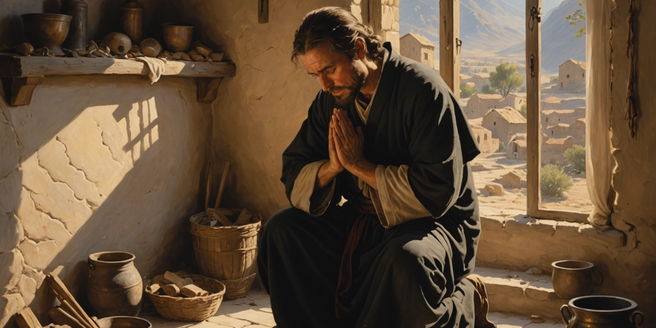
Prayer is considered a powerful pathway to physical restoration in Christian beliefs. It serves as a conduit for believers to communicate with God, express their needs, and seek healing. The act of praying is seen as an exercise of faith, inviting God’s intervention in health matters. Many devout Christians also gather in groups to pray for those who are unwell, believing in the strength of collective prayer. Through prayer, individuals often find comfort and strength, which enhances their overall well-being. The Bible encourages believers to pray for healing, and many attest to experiencing peace and relief following prayer. This spiritual practice reinforces the belief that divine intervention is accessible and effective when approached with faith and sincerity.
Modern Perspectives on Christian Healing Practices
Today, modern perspectives on Christian healing practices reflect a blend of traditional beliefs and contemporary understanding. While some hold steadfast to miraculous healings as seen in biblical times, others integrate medical advancements with faith-based practices. Many Christians view health holistically, recognizing the importance of spiritual, emotional, and physical dimensions. Contemporary ministries often advocate for combining prayer with medical treatments, emphasizing God’s ability to work through various means. This approach acknowledges the role of science while upholding faith as central to healing. In addition, there is a growing dialogue about mental health and its place within spiritual care. Thus, modern Christian healing practices adapt to the changing times, supporting an enduring belief in divine intervention.