Understanding the Historical Context of ‘Thy Kingdom Come’
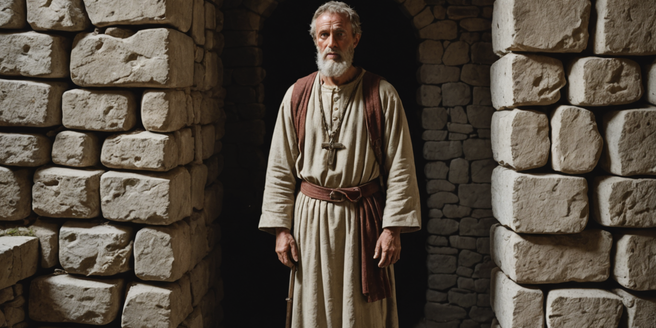
The phrase ‘Thy Kingdom Come’ emerges from first-century Jewish expectation of God’s messianic reign. During Jesus’s ministry, Rome occupied Israel, and many Jews anticipated divine intervention to restore their nation. Jesus taught this prayer amid intense political and spiritual tension. The kingdom Jesus proclaimed differed radically from contemporary expectations—it wasn’t primarily political liberation but spiritual transformation. Understanding this context reveals why Jesus emphasized internal transformation over external conquest. The disciples, steeped in nationalistic hopes, needed reorientation toward God’s alternative kingdom reality. This prayer reframes what believers should actually anticipate and work toward, challenging earthly power structures while affirming God’s ultimate authority and sovereignty.
The Spiritual Meaning Behind the Third Petition of the Lord’s Prayer
The third petition focuses on God’s kingdom becoming manifest on earth as it exists in heaven. This represents more than geographical expansion; it signifies the triumph of God’s will, justice, and righteousness. Spiritually, it acknowledges that God’s reign already exists in the heavenly realm, awaiting earthly realization. Praying this petition aligns human desires with divine purposes, transforming believers into kingdom agents. It encompasses healing, reconciliation, restoration, and the defeat of evil. The spiritual meaning emphasizes surrender—believers accept God’s authority and invite His rulership into their lives. This petition bridges personal devotion and cosmic redemption, connecting individual spiritual transformation with universal divine purposes.
How ‘Thy Kingdom Come’ Challenges Our Earthly Priorities
This petition fundamentally disrupts worldly value systems. In contemporary society, success means accumulating wealth, power, and status. ‘Thy Kingdom Come’ reorients priorities toward justice, compassion, and spiritual substance. It challenges believers to question career ambitions, financial pursuits, and social climbing when they conflict with kingdom values. The prayer demands examining whether daily decisions reflect allegiance to God’s kingdom or competing kingdoms of money, fame, and influence. This creates tension between cultural expectations and spiritual commitments. Believers must consciously choose kingdom priorities: serving others, pursuing justice, cultivating integrity, and extending mercy. The petition invites discomfort, prompting believers to live countercultural lives aligned with God’s alternative reality rather than societal norms.
Applying the Kingdom Message to Modern Social Issues
God’s kingdom addresses contemporary social crises through biblical principles. Issues of poverty, inequality, racism, and environmental stewardship demand kingdom-oriented responses grounded in justice and compassion. The kingdom message challenges systemic injustice and advocates for the marginalized, reflecting Jesus’s consistent advocacy for vulnerable populations. Modern believers applying this petition engage in social action, advocacy, and community transformation. This includes confronting discrimination, supporting equitable policies, and serving displaced populations. The kingdom transcends political ideologies, calling believers toward genuine righteousness rather than partisan agendas. Practical application means churches become justice centers, believers become advocates, and communities experience tangible kingdom values through concrete service addressing hunger, homelessness, education, and healthcare disparities.
Personal Transformation: Living as Citizens of God’s Kingdom
Praying ‘Thy Kingdom Come’ initiates personal metamorphosis. Believers become kingdom citizens, adopting distinct values, behaviors, and perspectives. This citizenship transforms character, producing fruits of the Spirit: love, joy, peace, patience, kindness, and self-control. Living as kingdom citizens means practicing forgiveness, extending grace, pursuing truth, and defending justice in daily interactions. Personal transformation extends beyond internal change to external witness. Citizens of God’s kingdom become visible demonstrations of alternative living, modeling integrity, generosity, and compassion. This transformation isn’t individual achievement but cooperative alignment with God’s Spirit. It requires daily surrender, consistent prayer, biblical formation, and community accountability. As believers embody kingdom values, they become living testimonies to God’s transformative power.
Thy Kingdom Come: Bridging the Already and Not Yet
Christian theology recognizes kingdom paradox: God’s kingdom has already arrived through Jesus’s incarnation and resurrection, yet its full consummation remains future. This ‘already and not yet’ reality shapes prayer’s meaning. Currently, believers experience kingdom benefits—forgiveness, transformation, community—while awaiting complete redemption. Praying ‘Thy Kingdom Come’ acknowledges present partial fulfillment while yearning for future complete manifestation. This tension motivates believers toward kingdom work today while maintaining hope in God’s ultimate purposes. The petition isn’t escapist fantasy but grounded anticipation. It calls believers to participate in kingdom advancement now while trusting God’s final restoration. Understanding this paradox prevents both spiritual apathy and naive utopianism, encouraging faithful engagement within history’s redemptive narrative.