Understanding Blended Family Dynamics
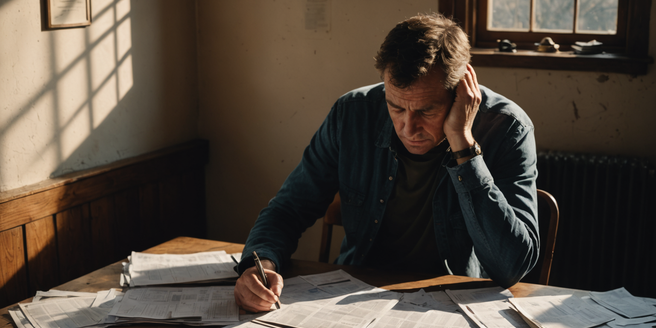
Blended families bring together individuals with varied backgrounds, experiences, and expectations. Understanding these dynamics involves recognizing the unique roles and relationships that arise. Each member of a blended family comes with their history and bonds, which can sometimes lead to conflict or misunderstanding. Open communication is crucial in addressing feelings and setting boundaries. Sharing stories and experiences helps build empathy and fosters a more cohesive unit. It’s important to recognize that every member brings something valuable to the table. It’s essential to allow time for members to adjust and form their connections gradually. Encouragement and active listening can mitigate potential friction, as everyone learns to appreciate and respect their unique family structure.
Navigating Religious Differences
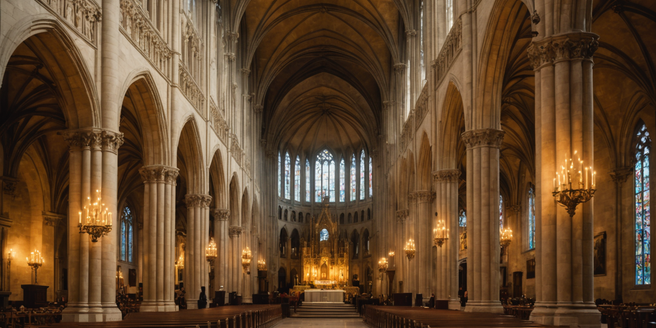
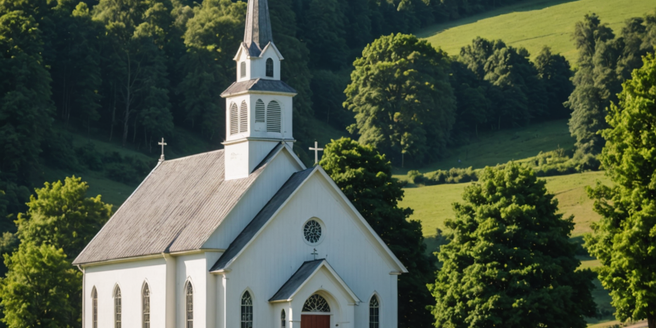
In blended families, different religious beliefs and practices can pose challenges. It’s important to respect each member’s faith and find common ground to foster harmony. Begin with open discussions about religious preferences and practices, setting the stage for mutual understanding. Finding humor in shared experiences can also lighten the atmosphere and strengthen bonds. Encouraging curiosity and education about different faiths can bridge gaps and reduce assumptions. It’s crucial for everyone to feel heard and respected in their unique spiritual journeys. Establish family routines that honor diverse beliefs, ensuring everyone feels valued. Celebrate shared values and moral teachings that align across different religions, focusing on what unifies rather than divides. Patience and respect are key as the family navigates this complex terrain.
Integrating Faith in a Diverse Family
Integrating faith in a blended family environment requires flexibility and creativity. Explore shared faith activities that every family member can participate in, such as community service or meditation, to create a sense of unity. It can be helpful to introduce traditions from each family member’s background, fostering inclusivity. This requires a sensitive approach, ensuring everyone feels included and respected. Celebrating diverse holidays can also be a meaningful way to honor the different faiths within the family. Discuss and set family goals that align with shared beliefs, promoting a sense of purpose. Regular family meetings can provide an opportunity to reflect on faith and its role in daily life. Finding a balance that respects individual beliefs while nurturing a shared spiritual journey strengthens family bonds.
Building Strong Family Bonds
Building strong bonds in a blended family takes intentional effort and time. Start by having regular family gatherings focused on fun and relaxation, fostering positive interactions among members. Encourage shared hobbies or projects that require teamwork, helping to break down barriers. Take time to understand the unique dynamics and relationships that each family member brings to the group. Create traditions that include everyone, from simple nightly rituals to annual family vacations, which build lasting memories. Standardize expressions of appreciation and support to reinforce positive behaviors. Communication plays a critical role; thus, promoting an environment where feelings and thoughts can be shared openly is crucial. With patience and commitment, family units can grow incredibly strong.
Creating a Unified Faith Practice
Creating a unified faith practice in a blended family involves collaboration and understanding. Begin by identifying core values and practices each member wishes to retain. It’s important to have open discussions to ensure everyone’s voice is heard and respected. Work together to establish faith-related routines that respect these rhythms while introducing new traditions that accommodate everyone. Encourage communal activities like a regular faith study or mindfulness practice that involve all members, fostering a collective spiritual experience. By fostering a sense of openness and acceptance, families can better navigate the complexities of differing beliefs. Be open to adjusting practices as family dynamics change, ensuring flexibility in honoring individual and shared beliefs. Through compromise and creative solutions, a family can develop a meaningful and inclusive faith practice.