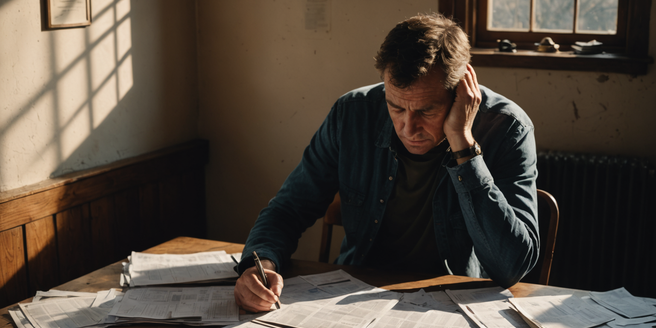
Understanding Anxiety: A Biblical Perspective
Anxiety, from a biblical perspective, is often seen as the result of trying to carry burdens without seeking divine guidance. It is a universal human experience, one that even characters in the Bible contended with. By turning to scripture, individuals can find solace and understanding. The Bible often encourages turning to God for comfort and reassurance, suggesting that placing trust in a higher power can alleviate internal turmoil. This scriptural advice is not just spiritual; it also offers a practical method of shifting focus from anxiety-inducing issues to divine support and promises of peace. Understanding anxiety through a biblical lens allows believers to frame their experiences within a context of faith and resilience, encouraging them to seek God’s perspective and His peace, which surpasses human understanding.
The Role of Psalms in Calming the Mind
The Book of Psalms, a collection of hymns and prayers, offers timeless insights into managing emotional stress. Many psalms express raw human emotions such as fear, confusion, and distress, but they often transition into praise and hope. This shift mirrors a therapeutic process of acknowledging pain while seeking hope. Reciting psalms can help calm the mind by providing words for expressing emotions and focusing thoughts on faith and divine assurance. Psalms act as a spiritual mirror, reflecting struggles but also revealing paths to peace. Regularly engaging with these texts helps individuals internalize a rhythm of vulnerability, reliance, and eventual tranquility. As such, the Psalms serve as an invaluable resource for anyone looking to mitigate anxiety and cultivate an inner sense of calm and assurance.
Key Psalms for Overcoming Fear and Stress
Certain psalms stand out as particularly helpful for overcoming fear and stress, serving as spiritual refuges in tumultuous times. Psalms like Psalm 23, known for its opening line, ‘The Lord is my shepherd, I shall not want’, offers assurance of God’s provisions and comfort. Psalm 46 speaks of God as a refuge and strength, an ever-present help when troubles arise. These texts encourage believers to replace fear with faith, focusing on divine strength rather than personal limitations. By internalizing and reciting these psalms during moments of anxiety, individuals can access a source of spiritual strength that empowers them to face their challenges with renewed confidence. The powerful imagery and promises within these psalms reinforce the belief that, with God, no problem is insurmountable.
Practical Ways to Incorporate Psalms into Daily Life
Incorporating psalms into daily life can be both comforting and transformative. One effective method is to start each day by reading a psalm, setting a positive and reflective tone. Other practices include memorizing key verses that resonate personally, allowing individuals to recall them in moments of need for reassurance. Writing down scriptures in a journal enhances reflection and personal application. Furthermore, setting aside moments for silent meditation, focusing on the words of a psalm, can deepen personal spiritual connections and reduce anxiety. Incorporating psalms during prayer times allows individuals to express emotions authentically, aligning personal concerns with timeless spiritual truths. Sharing favorite psalms with family or friends can also foster spiritual community and mutual encouragement.
Testimonials: Finding Peace through Psalmic Meditation
Many have found solace through psalmic meditation, which involves deeply reflecting on the words and messages of the Psalms. For instance, Sarah discovered peace during difficult times by routinely meditating on Psalm 121, which reassures of God’s constant watchfulness. John shared that reciting Psalm 91 during his morning prayers fortified him against daily stressors, offering a sense of protection and calm. These testimonials highlight that dedicating time to meditate on psalms not only provides spiritual grounding but also promotes mental clarity and emotional well-being. The shared experiences reveal that the practice of intentional, reflective engagement with the Psalms fosters a deeper sense of peace and resilience, supporting the believer’s journey through life’s varied storms.