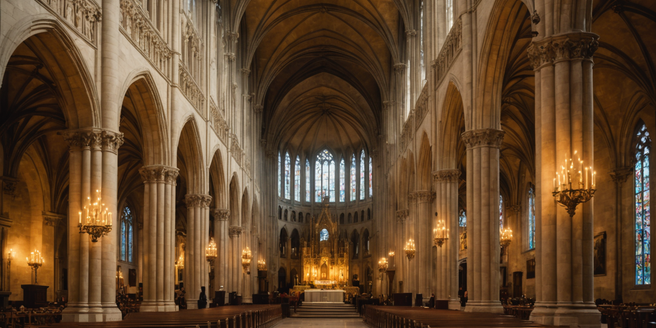
Understanding the Importance of Local Culture in Worship
Incorporating local culture into worship acknowledges the unique aspects of congregational identity. By understanding local traditions and beliefs, churches can create an atmosphere that resonates with the community. This practice fosters deeper connections and makes worship more meaningful for attendees. Recognizing cultural diversity within the congregation helps to create inclusive environments where everyone feels valued. Local culture can enhance worship experiences and increase engagement, allowing members to see themselves reflected in church practices. By valuing local culture, churches demonstrate respect and appreciation for the community’s heritage, building stronger relationships of trust and partnership. Understanding these cultural nuances can transform worship into a vibrant celebration that speaks directly to the hearts of the congregation and enriches the spiritual journey.
Identifying Key Cultural Elements in Your Community
To integrate local culture effectively, it’s crucial to first identify the key cultural elements present within the community. This involves understanding traditions, languages, and customs that are significant to people. Conduct surveys, host focus groups, or engage in community observation to gather insights on what cultural aspects are most cherished. These elements might include specific rites of passage, festivals, or community values. Engaging with local historians or cultural experts can provide deep insights into the cultural fabric of the area. By knowing these elements, churches can tailor services and outreach efforts to align with the community’s identity. This alignment not only makes the church more relevant but also strengthens its role as a culturally sensitive institution. The result is an inclusive environment in which diverse cultural expressions are honored and celebrated.
Balancing Tradition and Innovation in Church Services
Balancing tradition and innovation in church services is key to respecting established practices while embracing new ideas. One way to achieve this balance is by introducing contemporary elements without disregarding traditional practices. For example, incorporating modern music styles alongside traditional hymns can appeal to various age groups. It’s essential to maintain the core values and messages of the faith while exploring new ways to convey them. Engaging with the congregation to understand their preferences and feedback can guide this process. Additionally, using technology thoughtfully—such as multimedia presentations or virtual worship sessions—can enhance the experience without overshadowing traditional elements. This delicate balance ensures that the church remains relevant and vibrant, catering to both the longstanding faith of older members and the modern expectations of younger ones.
Engaging Community Leaders for Cultural Insights
Community leaders are invaluable resources when it comes to understanding cultural context. By engaging with leaders who are respected in various cultural groups, churches can gain insights that might not be readily visible otherwise. Host meetings or informal gatherings with leaders from different segments of the community to discuss cultural integration and sensitivities. Their perspectives can shed light on practices or beliefs that hold significant meaning. Leaders can also act as bridges to introduce new cultural elements to the congregation, fostering mutual respect and understanding. Building relationships with these leaders not only aids in cultural integration but also demonstrates the church’s commitment to inclusive practices. It’s through these collaborative engagements that a church can truly reflect the community it serves, ensuring worship is both meaningful and culturally sensitive.
Incorporating Local Music and Art in Church Settings
Bringing local music and art into church settings enriches worship and reflects the creativity of the community. Collaborate with local musicians or artists to showcase their talents during services or church events. This could include performing local songs, displaying community art pieces, or using traditional instruments. Highlighting these creative expressions not only enlivens worship but also honors the cultural heritage of the congregation. Consider organizing art exhibitions or musical showcases that reflect themes of faith and spirituality through a local cultural lens. By doing so, the church provides a platform for community talents, fostering an environment of appreciation and engagement. These art forms can become a powerful medium to communicate spiritual messages in a way that resonates with the local congregation.
Adapting Church Language to Reflect Local Dialects
Language is a powerful tool in maintaining cultural relevance within church settings. Adapting church language to reflect local dialects can make sermons and communications more relatable to the congregation. This involves not just translation, but understanding the nuances and expressions that make each dialect unique. Engaging with members who are fluent in local dialects to help shape how messages are delivered can enhance this process. Consider incorporating familiar phrases or idioms that resonate with the community during services and in written materials. This practice shows respect for the congregation’s linguistic heritage, making spiritual teachings more accessible and engaging. Adapting language in this way can also aid in lowering barriers to participation for those who might feel alienated by unfamiliar or formal linguistic expressions.
Celebrating Local Festivals and Traditions in the Church
Celebrating local festivals and traditions within the church context provides an opportunity to honor and engage with the cultural heritage of the community. Integrating these celebrations into church activities demonstrates a respect for the traditions that hold significance for many congregants. Consider aligning church messages and events with local cultural calendars to enhance relevance. Special services or community gatherings can be organized to coincide with significant local festivals, allowing for a blend of religious and cultural celebration. This fosters a sense of identity and belonging while highlighting the church’s role as a cultural center. Participating in festival traditions enriches the spiritual life of the congregation and offers a unique opportunity for the community to share and celebrate its rich cultural diversity.
Training Church Leaders on Cultural Sensitivity
Cultural sensitivity training for church leaders is crucial to fostering an inclusive atmosphere within the congregation. By equipping leaders with the skills to recognize and appreciate cultural differences, churches can ensure that all members feel valued and understood. Develop training programs focused on educating leaders about local customs, traditions, and languages. Incorporating case studies and role-playing scenarios can be effective in exploring cultural sensitivity. Encouraging open dialogue and continued learning will help leaders implement these practices in their interactions. This preparation not only improves interpersonal relationships but also strengthens the church’s commitment to inclusivity and respect. As cultural dynamics evolve, ongoing training ensures that leaders remain attuned to the changing needs of their diverse congregation, promoting a harmonious and respectful church community.
Overcoming Challenges in Cultural Integration
Integrating local culture into church practices often presents challenges, ranging from resistance to change to misunderstanding cultural nuances. Addressing these challenges requires a proactive approach. Open communication with congregants to address concerns and gather feedback is essential. Establishing a task force dedicated to cultural integration can provide structure and accountability. Educating the congregation about the benefits of cultural integration can alleviate fears and promote acceptance. Highlight success stories and examples from other communities to illustrate the positive impact. It’s vital to remain patient and persistent, as meaningful cultural integration takes time. By acknowledging challenges and actively working toward solutions, churches can foster a more inclusive environment that celebrates diversity and unity in faith.
Evaluating the Impact of Cultural Inclusion on Congregation
Evaluating the impact of cultural inclusion within the church involves both qualitative and quantitative measures. Collect feedback from congregation members through surveys and discussions to understand perceptions of cultural integration efforts. Analyzing attendance trends and participation rates at culturally inclusive events can provide quantitative data on engagement. Conducting focus groups with diverse segments of the congregation can offer deeper insights into how cultural inclusion has influenced their spiritual experience. Assess leadership perspectives on the effectiveness and areas for improvement. Reflecting on these evaluations helps the church understand the strengths and areas needing adjustment in their cultural inclusion strategy. Ensuring that cultural initiatives align with the church’s mission and values is crucial for long-term success and resonance within the community. Adjust the approach as necessary to maximize positive outcomes and inclusivity.