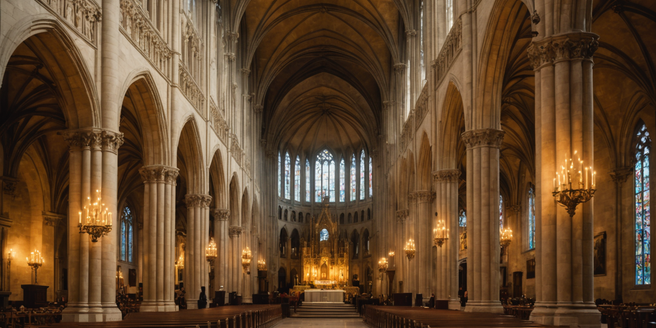
The History and Origins of Prophetic Traditions
Prophetic traditions have existed across cultures and centuries, each with its distinct characteristics and interpretations. These traditions often serve as a bridge between the divine and the mortal, providing guidance or warnings to followers. Many ancient civilizations, such as the Mesopotamians, Egyptians, and Chinese, had established systems where prophets, seers, or oracles played crucial roles. These figures acted as conduits for divine communication, often influencing social, political, or religious directions. The art of prophecy is deeply intertwined with mythology, legend, and religious texts, forming a complex tapestry that reflects humanity’s eternal quest for meaning and foresight.
Key Figures in Prophetic Teachings
Throughout history, certain individuals have been revered as quintessential prophets or seers, their words listened to and recorded with deep reverence. Figures like Moses, Isaiah, and Muhammad are central in their respective religious narratives, perceived as messengers of divine will. Their legacies continue to inspire millions around the world, transcending time and geography. These key figures often faced persecution but remained steadfast in their missions, conveying messages that emphasized moral teachings, spiritual guidance, or warnings of future events. Their teachings not only shaped religious contexts but also influenced cultural and societal frameworks by establishing ethical codes and guiding followers toward spiritual enlightenment.
Types of Prophecies Across Different Cultures
Prophecies manifest in myriad ways across global cultures, reflecting diverse interpretations of divine intervention. In some societies, prophecies come through visions or dreams, while others rely on astrology, omens, or sacred rituals. The Greeks consulted oracles like Delphi, while the Norse had seers known as völva. Interestingly, prophecies often shape cultural and societal norms over generations. Indigenous cultures possess rich oral traditions where shamans or spiritual leaders interpret signs from nature. These prophetic forms often convey messages that blend moral guidance with future insights, reflecting the universal human desire to understand the unknown and prepare for what lies ahead.
Interpreting Prophecies: Methods and Practices
Interpreting prophecies involves a blend of analysis, intuition, and cultural understanding. Various methods have been employed, from deciphering symbolic language and imagery to seeking contextual clues within relevant texts. Scholars, theologians, and mystics dedicate themselves to understanding these complex messages. This intricate process often requires years of study and contemplation. The practice requires a balance between literal and allegorical interpretations, often involving debates over meanings and relevance. Through history, interpretation played a crucial role in ensuring prophecies informed societal decisions or spiritual revelations, demonstrating the continuous human effort to derive meaning from the sacred and mysterious.
The Role of Prophecy in Modern Society
In modern society, prophecy continues to captivate individuals and communities, contributing to cultural, spiritual, and philosophical discourse. Whilst traditional prophetic practices may have evolved, the essence remains—serving as a source of inspiration, ethical reflection, and existential contemplation. These themes are often explored in literature, film, and other media, illustrating their widespread appeal. In contemporary contexts, prophecy often intertwines with discussions on predictive analysis, trends, and foresight. Despite technological advancements, many seek comfort in knowing that prophecies, visions, or future predictions offer a sense of hope or guidance, reinforcing the enduring human quest to understand unfolding destinies.
Case Studies: Fulfilled Prophecies Through History
Throughout history, numerous prophecies are believed to have been fulfilled, captivating curiosity and debate. One renowned example is Nostradamus, whose quatrains are retrospectively linked to historical events. People have long been fascinated with the idea that some events are predetermined and written in cryptic messages. Religious texts, like the Bible, cite prophecies about the fall of Jerusalem, interpreted as fulfilled over time. Another case is the Mayan calendar, initially seen as a doomsday prophecy but later re-evaluated as marking a new era. These instances illustrate how prophecies are often viewed through a lens of interpretation, providing insight into the human inclination to find correlations between past predictions and actual events.