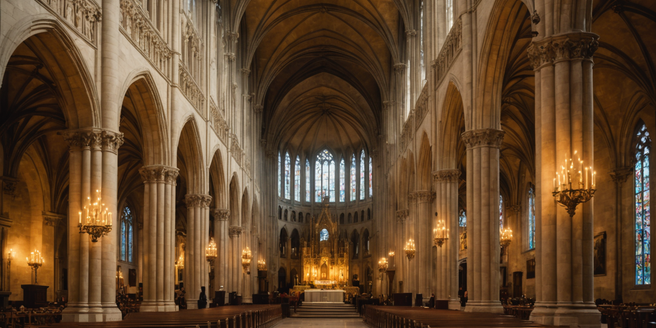
The Historical Significance of Altars
Altars have played a fundamental role in religious practices throughout history. Originally, they served as platforms for offerings and sacrifices to appease deities and seek blessings. Various cultures, from ancient Egyptians to the Mayans, constructed elaborate altars that reflected their beliefs and devotion. In ancient Greece and Rome, altars were central to public and domestic worship, symbolizing a connection between the human and the divine. The significance of altars evolved with the spread of Christianity, becoming integral to the Mass and the symbolism of Christ’s sacrifice. Over centuries, the meaning and use of altars have transformed, yet they remain a crucial element in religious rituals. These structures not only represent a physical space for worship but also embody a spiritual gateway to the divine.
Different Types of Altars in Various Cultures
Throughout history, altars have manifested in diverse forms across various cultures, each reflecting unique religious practices. In Hinduism, altars are often ornate, adorned with statues, flowers, and offerings for deities, serving as the focal point of home worship. In contrast, Indigenous cultures may construct altars from natural materials, integrating elements of the environment to honor ancestors and spirits. The Zen Buddhists use minimalistic altars that emphasize simplicity, with a single image to focus meditation. In Christianity, the altar is central to the church, representing a table for the sacrament of communion. These variations underscore the altar’s adaptability to cultural expressions of faith while maintaining its core purpose as a sacred space for devotion. Despite differences, altars unite communities by providing a dedicated place for reflection and spiritual connection.
The Role of Altars in Modern Religious Practices
In contemporary times, altars continue to hold profound significance across various religious traditions, adapting to modern contexts while preserving ancient roots. In Christianity, altars remain central in churches, facilitating sacraments and communal worship. Hindu homes often feature personal altars for daily rituals, maintaining a sacred connection within the domestic setting. Pagan and Wiccan practitioners may construct altars to honor nature and seasonal cycles. Additionally, the rise of eclectic spiritual practices has seen the creation of personalized altars that integrate elements from diverse traditions, reflecting an individual’s spiritual journey. While the materials and designs may evolve, the essence of the altar as a space for offering, reflection, and divine communication endures. As spiritual landscapes shift, altars continue to adapt, embodying the timeless human desire for a tangible connection to the sacred.
Designing a Personal Altar for Home Worship
Creating a personal altar at home involves a thoughtful blend of intention, spirituality, and comfort, allowing individuals to establish a sacred space that facilitates connection and reflection. The design can be as simple or elaborate as desired, often starting with a small table or shelf. Essential elements include representations of deities or symbols meaningful to the practitioner. Candles and incense can enhance the ambiance, invoking a sense of serenity and focus. Crystals, plants, or spiritual texts might find a place, each chosen for their resonance with personal beliefs and energies. Incorporating seasonal decorations or offerings can keep the altar dynamic. Ultimately, a personal altar serves as a spiritual touchstone, reflecting one’s journey and evolving with time. Through mindful curation, this space becomes a daily refuge for meditation, prayer, and ritual.
Symbolism and Elements Commonly Found on Altars
Altars, rich with symbolism, often feature elements that represent deeper spiritual meanings across cultures. Candles are ubiquitous, symbolizing enlightenment, hope, and the presence of the divine. Incense represents the prayers rising to the heavens. Water can signify purification and life, while salt may symbolize protection. Statues or images of deities and spiritual figures serve as focal points for meditation and devotion. Flowers, placed on altars, represent the beauty and impermanence of life, reminding practitioners of the transient nature of existence. Sacred texts often rest on altars, offering spiritual guidance. Each component is carefully chosen, contributing to the overall spiritual ambiance and purpose of the altar. These elements, individually and collectively, create a sacred atmosphere conducive to worship, facilitating a connection between the material and spiritual realms.
Maintaining and Respecting the Sanctity of Altars
Preserving the sanctity of an altar is both a practical and spiritual responsibility, requiring care and reverence. Regular cleaning ensures the physical space remains inviting and sacred, free of dust or clutter. This practice extends beyond mere tidiness, symbolizing respect and honor. Offerings, whether flowers, food, or incense, should be refreshed routinely, maintaining their symbolic potency. Additionally, intentional rituals or meditative practices performed at the altar can reinforce its sacred energy. It is also vital to approach the altar with a clear intention, leaving behind chaotic thoughts and distractions. Furthermore, cultural and religious traditions may dictate specific protocols for maintaining altar sanctity, demanding adherence out of reverence. Through these practices, individuals uphold the altar as a living representation of their spiritual devotion and as a cherished space for communion with the divine.